“History is littered with coups dressed as liberation, and America has often played the lead role.”
In Venezuela, President Maduro captured.
In Libya, Gaddafi executed after he ditched the dollar.
In Iraq, Saddam Hussein wiped for oil reserves.In Vietnam, President Diem and his brother eliminated for politics far from home.
In Iran, Mossadegh ousted for nationalizing oil.
In Guatemala, Arbenz removed for taxing American farms.In Congo, Lumumba executed for nationalizing uranium.
In Cuba, Che Guevara captured and executed for his socialist policies.
In Afghanistan, locals trained to fight Russians until those locals became the enemies.In Chile, Allende overthrown for nationalizing copper.
In Ghana, Kwame exiled for cutting off Western banks.
In Grenada, Hudson captured and sentenced him for aligning with Russia.Is this justice, or foreclosure disguised as freedom? Tell me — is America the hero, or the villain?
From Justice to Reconstruction
On January 3, 2026, U.S. special forces stormed Caracas in Operation Absolute Resolve. Nicolás Maduro was extracted in the predawn dark, and Washington declared victory in the “War on Drugs.” Indictments were unsealed, generals paraded in handcuffs, and the press filled with cocaine bales stacked like props in a morality play.
Yet within hours, the narrative shifted. “Justice” gave way to “reconstruction.” Energy majors were named as the agents of Venezuela’s future.
What does it mean when Chevron and ExxonMobil are cast as liberators?
What does it reveal when the war on drugs morphs into a corporate takeover of the largest proven oil reserves on Earth?
Chemistry of Power
For fifteen years, America’s shale boom has been sold as “energy independence.” Yet shale oil is light and sweet, while the Gulf Coast’s sprawling refineries were built to digest heavy, sour crude.
Since sanctions cut off Venezuelan supply, those refineries have starved. Forced to buy expensive substitutes from Canada or Russia, or run inefficiently, they have limped along.
Was Maduro toppled because of cocaine, or because Washington needed sludge to keep its industrial cathedrals alive in other words for crude?
Timing and Opportunism
If narco-terrorism were the true concern, why wait until 2026?
Intelligence on the Cartel of the Suns has existed for over a decade. The answer lies in the Orinoco Oil Belt: 300 billion barrels of heavy crude,
more than Saudi Arabia’s reserves, sitting under the control of a regime aligned with Beijing and Moscow.
Was this raid justice delayed, or opportunism perfectly timed?
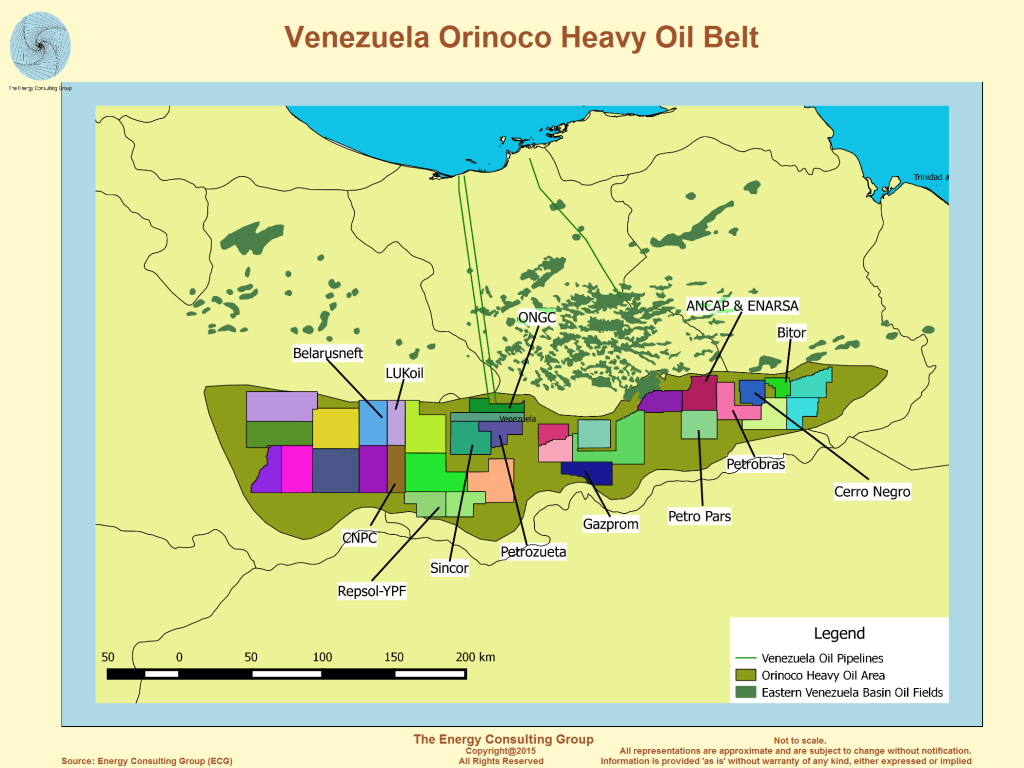
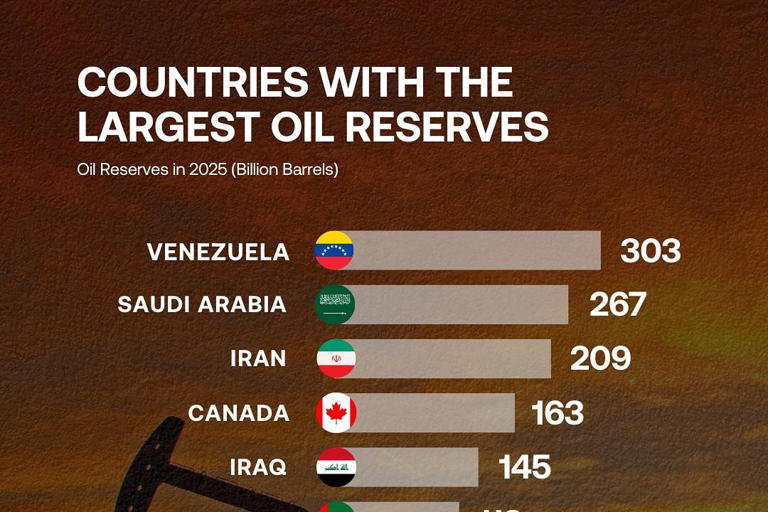
Venezuela: approx. 300 billion barrels (heavey crude)
Saudi Arabia: Approx. 267 billion barrels (lighter crude)
Evicting Creditors, Foreclosing Futures or selective enforcement
For years, China and Russia bankrolled Caracas, lending billions in exchange for oil-backed loans. Venezuela was mortgaged to the East. By removing Maduro and installing a transitional authority, Washington effectively nullifies those mortgages.
It is not liberation; it is foreclosure.
Is this sovereignty defended, or sovereignty auctioned off to the highest bidder?
Selective Enforcement
Mexico’s cartels operate just miles from the U.S. border, fueling a fentanyl crisis that kills tens of thousands annually. Yet no stealth bombers circle Mexico City, no generals are extracted in the night.
Why? Because Mexico is already integrated into the North American economic sphere. Venezuela was the outlier — the owner of a strategic asset who refused to sell.
The Language of Receivership
The post-operation plan speaks volumes. Oil revenues will “pay for reconstruction.”
Contracts will flow not to humanitarian groups but to Halliburton, Chevron, and ExxonMobil.
This is not the language of partnership; it is the language of receivership.
Questions of Sovereignty
For Venezuelans, the fall of Maduro may bring relief. But relief should not be mistaken for autonomy.
The 82nd Airborne did not deploy to stop cocaine; they deployed to restart the Orinoco.
And for the world, the lesson is stark: in a resource-constrained era, stranded assets will not be tolerated.
The drug war was the warrant; the oil was the prize. The people were collateral.
When sovereignty is stripped under the banner of justice, what remains of accountability?
And when accountability is invoked to mask extraction, what remains of sovereignty?
 NightingaleSea
Leave a comment