Imagine waking up to an AI that not only brews your coffee but also predicts your health risks before breakfast. This isn’t science fiction—it’s the reality of 2025.
Artificial Intelligence has moved beyond being a mere technological tool. It has become a collaborative partner, reshaping careers, daily routines, economies, and even our sense of identity.
AI: Your New Colleague
Forget the days when machines handled only repetitive tasks. Today, AI models like Google Gemini and DeepSeek brainstorm strategies, write code, and analyze data in seconds.
- Smart Task Automation: Processes that once took days now finish in moments.
- Skill Shifts: Success no longer depends on basic technical skills, but on the ability to collaborate with AI—to question, verify, and guide its outputs.
In short, AI isn’t replacing humans—it’s demanding that we evolve alongside it.
According to McKinsey’s 2025 report, AI has boosted global productivity by an estimated $4.4 trillion, with 92% of companies adopting AI tools for tasks like coding, communication, and data analysis.
Life Tailored by Algorithms
AI has personalized daily life in ways once unimaginable.
- Differentiated Education: Students now learn from AI tutors that adapt lessons to their pace, making education more inclusive.
- Predictive Health: Wearable devices forecast chronic diseases before symptoms appear, shifting medicine from treatment to prevention.
The result? A world where learning and health feel custom-made for each individual.
Global case studies show schools from South Africa to MIT using AI to personalize learning, automate grading, and improve accessibility for students with special needs.
*86
AI as the Engine of Innovation
Beyond personal life, AI drives the global economy with unprecedented efficiency.
- Supply Chains: Logistics are optimized automatically, reducing waste and lowering costs.
- Scientific Discovery: AI accelerates breakthroughs in materials and pharmaceuticals, pushing innovation faster than human research alone.
AI isn’t just supporting the economy—it’s powering it.
In 2025, hospitals worldwide use AI to analyze scans, genetic codes, and patient histories. Hybrid teams of doctors and AI systems now make more accurate diagnoses than humans alone.
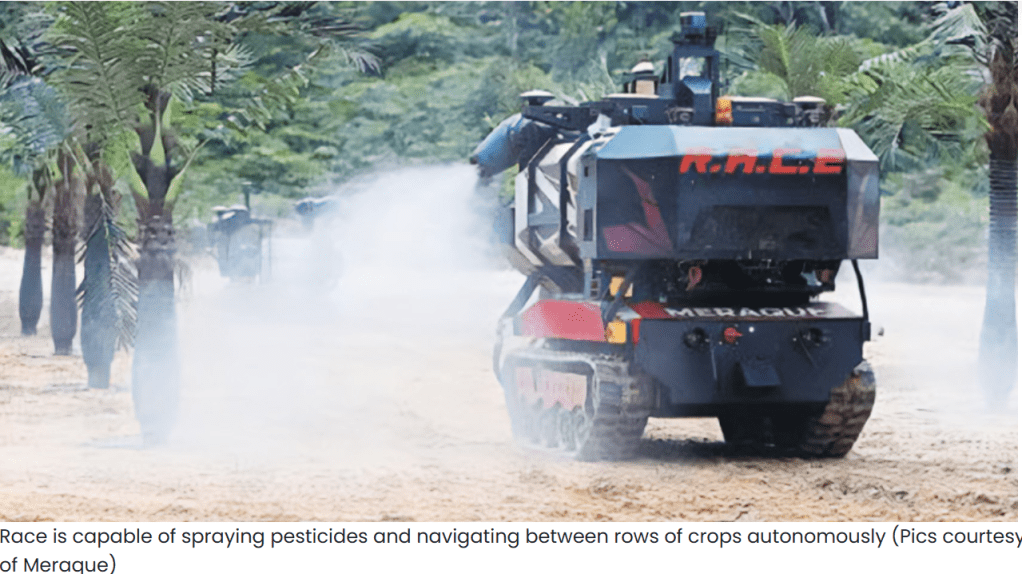
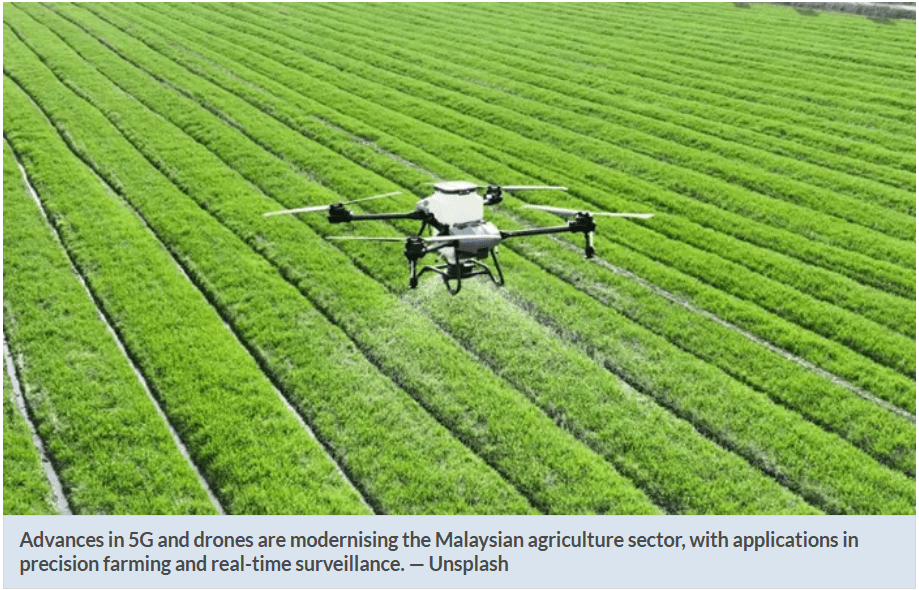
– Malaysia’s agriculture sector is actively adopting Digital Agriculture Technologies (DATs) like GPS, drones, sensors, and IoT-powered decision-making. These tools are already helping farmers increase productivity for crops such as oil palm, paddy, and fruits.
The Double-Edged Sword of AI
Progress comes with challenges. AI has forced us to rethink truth, privacy, and identity.
- Crisis of Truth: Deepfake technology blurs the line between fact and digital manipulation.
- Privacy Issues: Data collection sparks debates about individual rights and ownership.
As AI grows, so does the urgency to protect what makes us human.
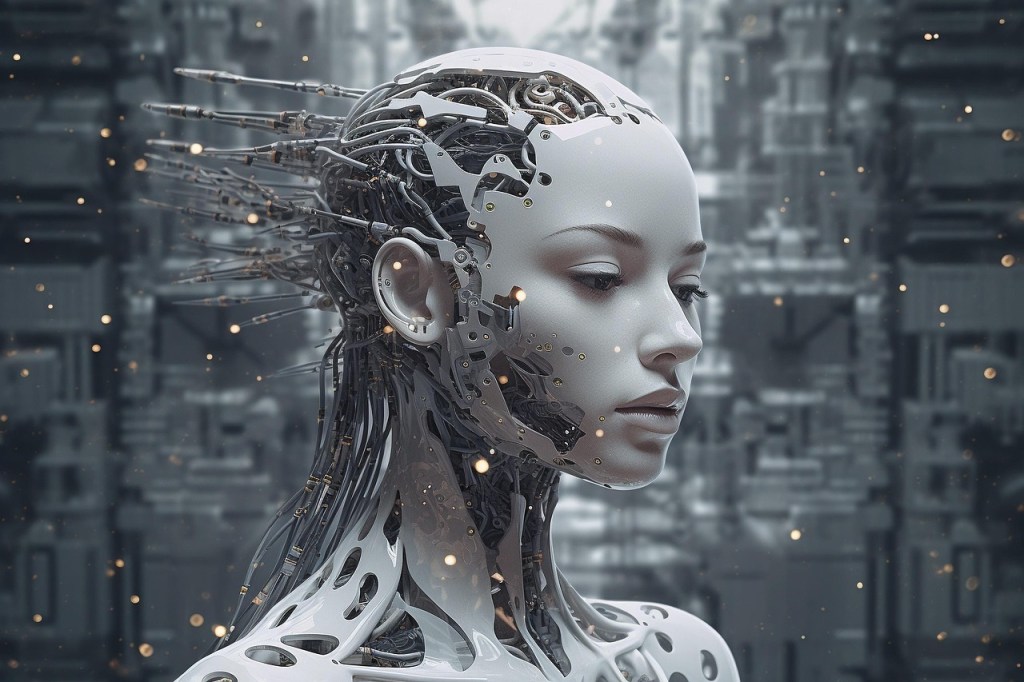
In 2025, deepfake technology has become nearly indistinguishable from real footage. Fraudsters even used AI-generated voices and videos to steal $25 million from UK engineering firm Arup.
Conclusion: Partner or Replacement?
AI has become an infrastructural necessity—woven into careers, classrooms, hospitals, and economies. It boosts efficiency, but it also forces us to ask: What values remain uniquely human?
The future isn’t about resisting AI. It’s about ensuring that partnership with machines strengthens, rather than erodes, the essence of humanity.
 NightingaleSea
Leave a comment