War is often remembered as heroic legend. In truth, it is wasteful and cruel—driven by pride, not compassion. Since World War I, humanity has struggled to unite. National interests clashed, ideologies hardened, and ordinary people bore the cost.A Foolish War.
Loss of Life & Livehood
Young people who should have been playing together in fields were instead handed sharp weapons.
Guns, sickles, and bayonets replaced laughter. Many lives were lost—not through noble sacrifice, but through misunderstandings and the ego of leaders.
The destruction was not limited to battlefields. Fields were burned, warehouses emptied, and distribution routes severed.
During World War I, Britain’s naval blockade caused severe wheat shortages in Germany and Austria, leaving civilians hungry.
In Asia, rice trade routes collapsed, and famine spread across communities that had no part in the conflict.
History echoes in today’s wars
Blockades & Embargoes
Blockades choke nations by cutting off food access. In World War I, Britain’s blockade starved German civilians, weakening morale and hastening surrender.
Today, blockades in Yemen leave millions hungry, especially children, collapsing community resilience and deepening dependence on aid.


Food Diversion to the Military
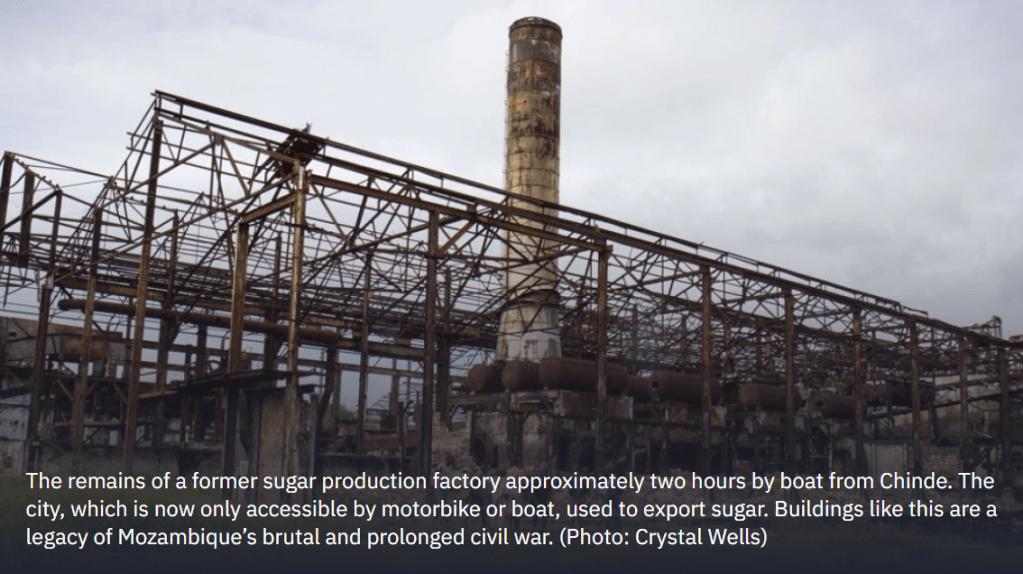
Armies often seize harvests, leaving civilians with nothing. In World War II, Japanese forces diverted rice in Southeast Asia, causing famine and unrest. In Sudan, armed groups still hijack food aid, triggering malnutrition and displacement.
Destruction of Infrastructure
War destroys the systems that feed people. During the Biafran War, Nigerian forces targeted farms and supply chains, killing over a million through famine. The damage lingers—soil, harvests, and logistics take years to recover.
War Psychology: Starvation as Suppression
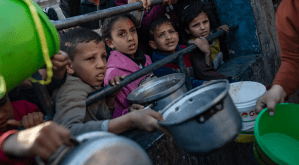
Hunger breaks not just bodies, but spirits. The Holodomor in Ukraine was a deliberate famine used to crush resistance. Siege tactics in Gaza and Syria mirror this cruelty, using starvation to force surrender and traumatize survivors.
Sources:
Chicago Journal of International Law – Siege Starvation as War Crime
Concern Worldwide – Timeline: Hunger as a Weapon of War
FasterCapital – Blockades and Embargoes: A Historical Perspective
Pacific Atrocities Education – Japanese Military Cuisine and Civilian Starvation
Nickled and Dimed – War on the Fields: Impact on Agriculture
Journal of International Criminal Justice – Purposes of Starvation
The Domino Effect of War on Food Security
War does not stop at the battlefield—it ripples across the globe.
- Food Prices Soar: The war in Ukraine has raised global wheat and vegetable oil prices.
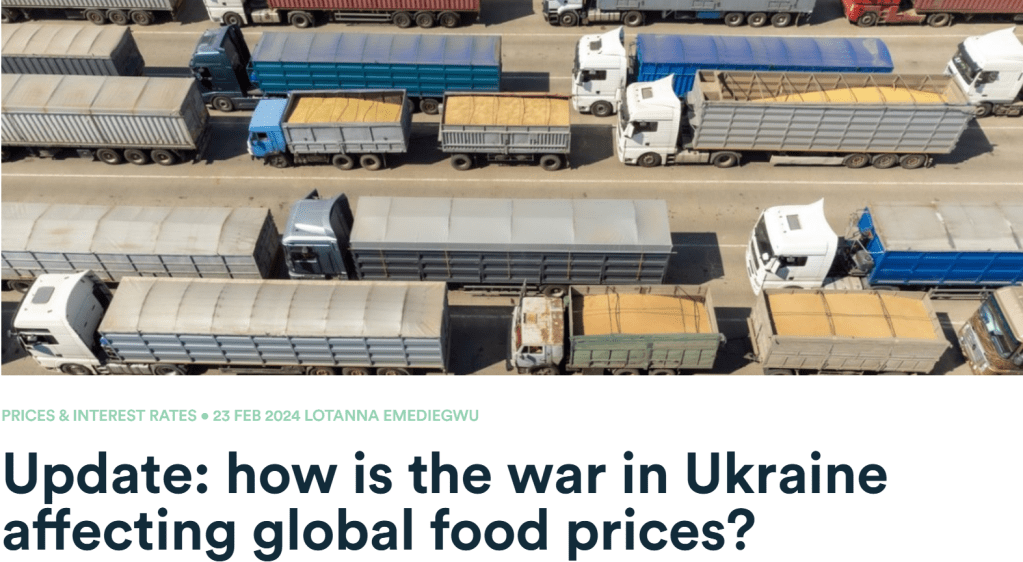
The war in Ukraine disrupted grain exports from Black Sea ports, causing wheat prices to surge from $270 to $500 per ton. Vegetable oil prices also spiked, affecting vulnerable regions from Africa to Southeast Asia. A study in Transportation Science emphasized the urgent need for alternative grain routes to stabilize supply.
2. Inflation & Economic Crisis
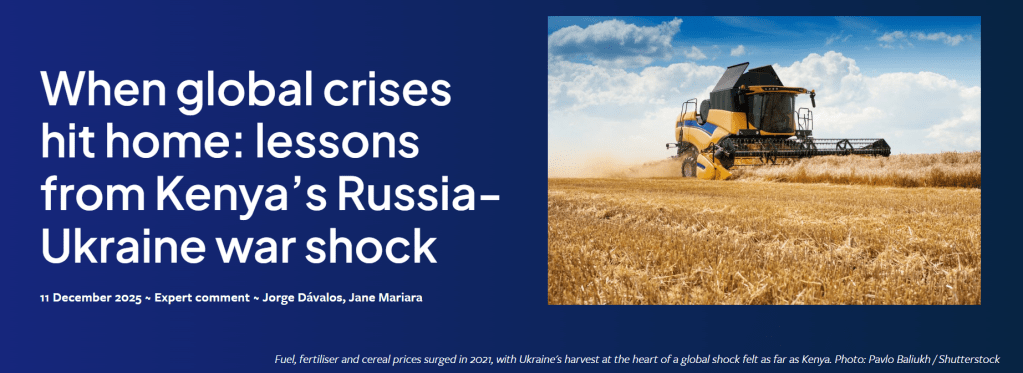
According to the UN Development Programme, 71 million people in developing countries fell into poverty within three months of the Ukraine war’s onset due to rising food and energy costs.
- The Federal Reserve’s 2025 report on war inflation highlights how global conflicts amplify inflationary pressures, especially in import-dependent economies.
- Financial Express notes that over 50 nations in active conflict now face economic collapse, with ripple effects reaching even stable regions.
3. Inequitable Distribution
The Global Report on Food Crises 2025 shows that 295 million people across 53 countries faced acute hunger last year, with poorer nations suffering disproportionately.
- Humanium explains that chronic hunger persists in South Asia and Africa, where subsidies and safety nets are limited compared to wealthier nations.
4. Social Unrest & Migration
Food insecurity is a known trigger for migration and conflict.
- A study in CEPR VoxEU found that mild food crises lead to surges in international migration, while severe ones cause internal displacement and regional instability.
- The World Food Program USA report “Dangerously Hungry” links food insecurity to eight types of conflict, including riots, protests, and civil war.
Historical Insight: Alan Kramer on Blockades
Historian Alan Kramer writes in The International History Review that blockades during both world wars were not just military tactics—they were social stress tests. They reshaped societies by cutting off food, oil, and capital, exposing vulnerabilities and forcing populations into survival mode.
Sources:
International History Review – Alan Kramer on Blockades
Encyclopedia of WWI – Naval Blockade by Alan Kramer
WFP & FSIN – Global Report on Food Crises 2025
Humanium – Unequal Distribution of Food Resources
ODI – Kenya’s Ukraine War Shock
Economics Observatory – Ukraine War & Food Prices
INFORMS – Ukraine War & Grain Supply Chain
Federal Reserve – War Inflation Report
Financial Express – Global Conflict Economy
UNDP – Cost-of-Living Crisis & Poverty
CEPR – Forced Migration & Food Crises
WFP USA – Dangerously Hungry Report
The Silent Weapon of War: Hunger
The suffering of war is not only measured in bullets and bombs—it is felt in empty stomachs. Hunger displaces communities, malnourishes children, and scars generations.
Food security is not a luxury; it is a fundamental human right. Protecting access to food is as crucial as protecting lives. Calls for peace must also be calls for survival. Because without food, life itself becomes a battlefield.
“The suffering caused by war is not just about weapons, but also about empty stomachs.”
Looking back across a century of wars, we see inventions, new borders, and powerful institutions — but we also see graves, hunger, and broken families. Every so-called benefit of war has been purchased with the suffering of ordinary people. Civilians have carried the weight of decisions made far from their homes, paying in blood, displacement, and lost futures. So the question is not whether war brings progress, but why humanity continues to accept war as its price. Imagine what we could build if the same energy, resources, and sacrifice were devoted to peace, resilience, and food security instead of destruction. Have you ever thought of that?
Early 20th Century
- World War I (1914–1918)
Triggered by the assassination of Archduke Franz Ferdinand in Sarajevo. Involved the Central Powers (Germany, Austria-Hungary, Ottoman Empire) against the Allies (Britain, France, Russia, later the US). Ended with millions of casualties and the collapse of several empires. - World War II (1939–1945)
The largest global conflict in history, sparked by Germany’s invasion of Poland. Involved nearly the entire world, ending with the defeat of the Axis (Germany, Italy, Japan) and the rise of the US and Soviet Union as superpowers.
Cold War Era (1945–1991)
- Korean War (1950–1953) – North Korea (backed by China & USSR) vs South Korea (backed by US & UN).
- Vietnam War (1955–1975) – US supported South Vietnam against North Vietnam backed by USSR & China.
- Arab–Israeli Wars (1948, 1967, 1973) – a series of conflicts in the Middle East.
- Soviet Invasion of Afghanistan (1979–1989) – Mujahideen fighters backed by US, Pakistan, and allies fought Soviet forces.
Post-Cold War Era (1991–2000s)
- Gulf War (1990–1991) – US-led coalition vs Iraq after invasion of Kuwait.
- Balkan Wars (1991–2001) – ethnic conflicts during the breakup of Yugoslavia.
- Iraq War (2003–2011) – US and allies toppled Saddam Hussein.
- Afghanistan War (2001–2021) – began after 9/11, ended with Taliban regaining power.
Contemporary Era (2010–2025)
- Syrian Civil War (2011–present) – Assad government vs opposition, ISIS, with interventions by Russia, US, Turkey, Iran.
- Yemen Conflict (2014–present) – Houthi rebels vs Yemeni government backed by Saudi-led coalition.
- Russia–Ukraine War (2022–present) – Russia’s full-scale invasion of Ukraine, sparking global energy and food crises.
- Gaza War (2023–present) – escalation of Israel–Palestine conflict with major humanitarian impact.
 NightingaleSea
Leave a comment