“In stillness, the ordinary mind finds the way.” — Shaolin teaching
Prelude: The Pulse Beneath Progress
Humanity does not move in straight lines.
It pulses — like a heartbeat, like breath.
We rise, we fall, we rebuild.
Not because we are perfect,
but because we pause.Stillness is not the absence of motion.
It is the presence of meaning.
Echoes from the Ashes: Learning in the Dark
When Rome fell, silence spread across Europe.
Roads crumbled. Libraries burned.
Curiosity dimmed beneath the weight of fear.
Yet elsewhere, the stars were being mapped.
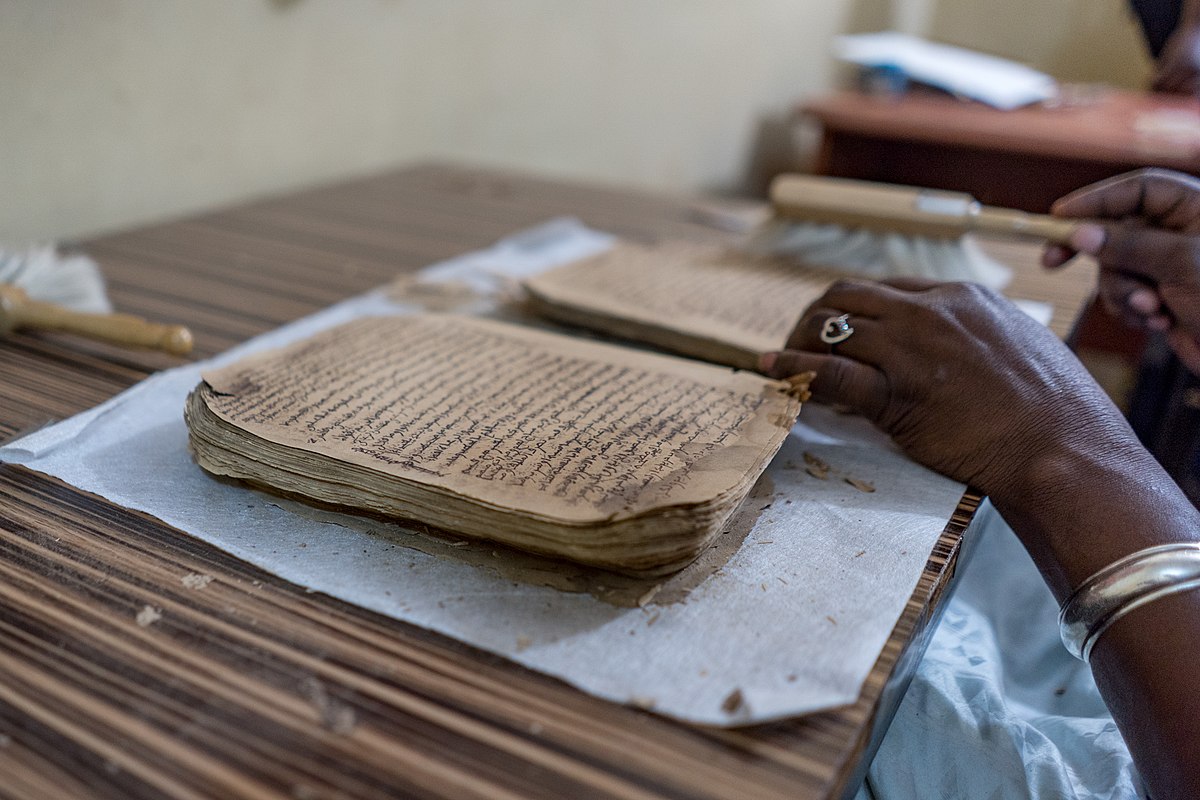
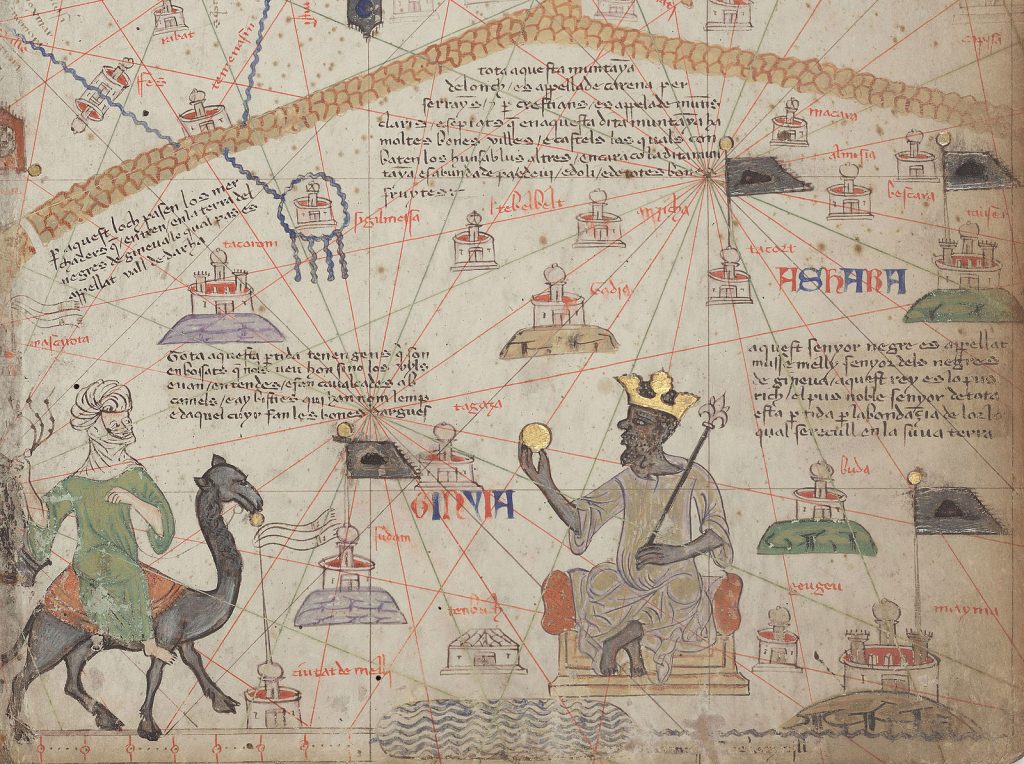
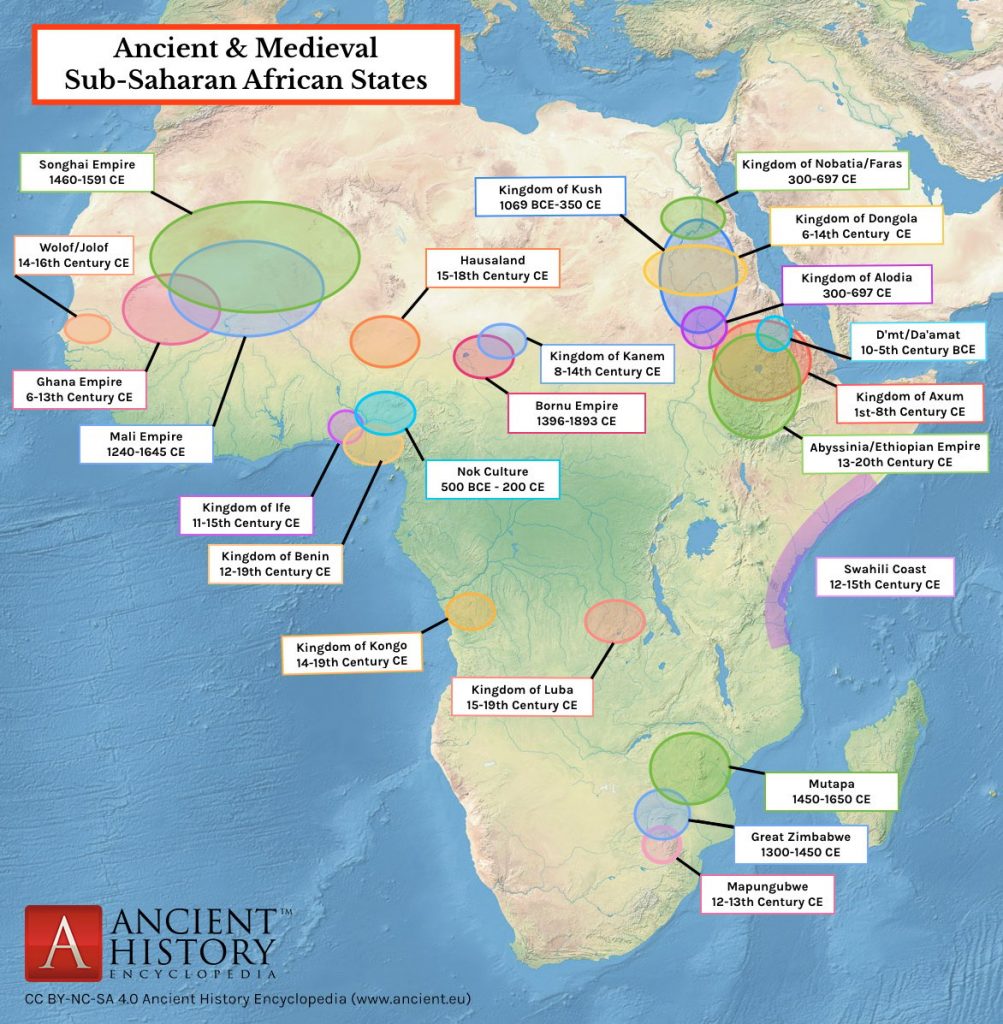
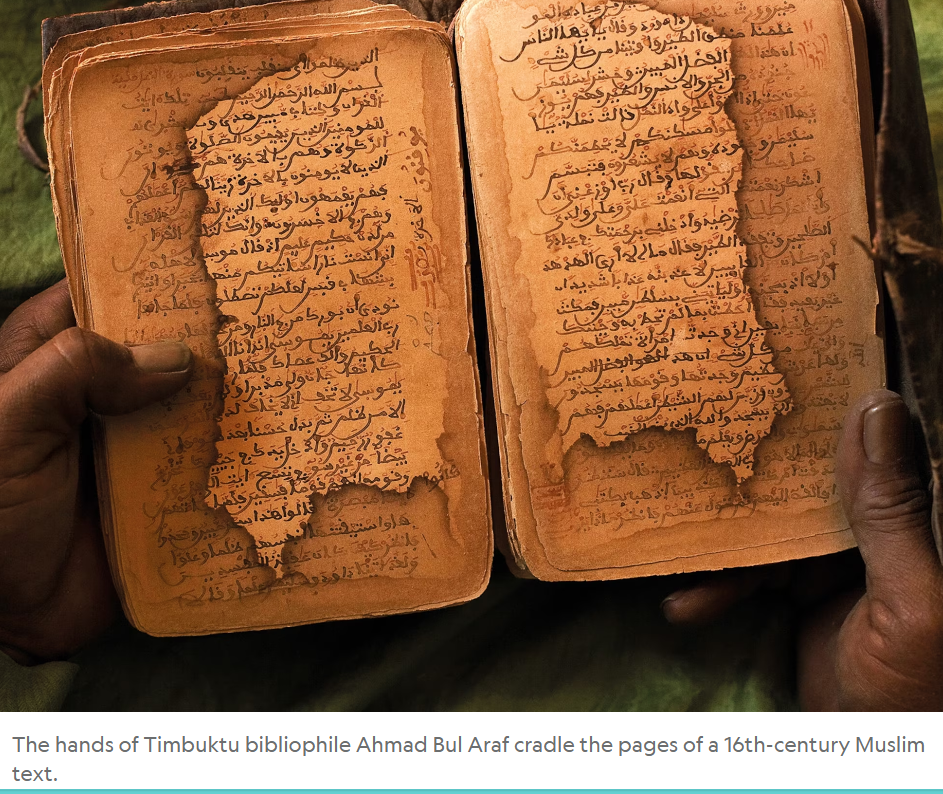
In Timbuktu, manuscripts whispered of philosophy and science.
In Baghdad, hospitals healed with precision.
In China, paper and compasses charted new futures.
In India, medicine and astronomy bloomed.
Civilization did not stop.
It shifted.
What one region lost, another preserved.
The torch of knowledge passed hand to hand.
Shaolin Stillness: A Philosophy of Survival
In the same era, Shaolin monks turned inward.
They mastered motion — and mastered stillness.
Their strength was not in aggression,
but in the harmony between breath and blade.
“In stillness, the ordinary mind finds the way.”
Not just a spiritual whisper,
but a survival strategy.
When the world fractured, they listened.
When chaos roared, they meditated.
Stillness became their compass.
Renaissance: The Reweaving of Thought
Europe’s Renaissance was not born in isolation.
It was a tapestry of global threads:
Arab mathematics, Chinese invention, Indian medicine.
Da Vinci bridged anatomy and flight.
Galileo challenged the heavens.
The printing press scattered ideas like seeds.
It was not just a rebirth of art —
but of confidence.
A reminder:
Humanity can shape its own destiny
when it dares to reflect.
Industry and Imbalance: The Speed of Progress
Steam engines. Railways. Factories.
The world accelerated.
But speed came with smoke.
Production with exhaustion.
The 20th century split atoms and built skyscrapers.
It cured diseases — and created weapons.
We learned what we could do.
But forgot to ask why.
Stillness became rare.
And wisdom, rarer still.
Stillness After Tragedy: The Birth of New Orders
After war, came the League of Nations.
After genocide, the Universal Declaration of Human Rights.
After silence, came listening.
Progress follows pause.
Direction follows reflection.
Stillness is not retreat —
it is recalibration.
The Information Age: Surrounded by Data, Starved of Meaning
Today, we hold the world in our palms.
AI, biotech, space travel — brilliance beyond imagination.
Yet we scroll endlessly,
and understand less.
We are not ignorant.
We are distracted.
The danger is not lack of knowledge,
but lack of reflection.
The New Dark Age: Absence of Stillness
If the Dark Ages lacked knowledge,
our age risks lacking wisdom.
Climate change, inequality, misinformation —
these will not be solved by noise.
They require stillness.
Observation.
Realignment.
The Shaolin monks would remind us:
Balance is the way.
Quiet is the beginning.
Continuity Through Renewal
History gives reason for hope.
Every age thought it was the last.
Every age became a bridge.
We survive not by perfection,
but by persistence.
Not by fearlessness,
but by thoughtfulness.
Ideas cross oceans.
Knowledge rebuilds.
Someone always chooses to learn.
The Test of Our Time: Innovation + Introspection
The future will ask:
Can we unite speed with stillness?
Can we pair technology with wisdom?
Stillness is not escape.
It is clarity.
It is how we heal.
The Way Forward: Ordinary Minds, Extraordinary Resolve
We will face new questions:
What does it mean to be human?
How do we live with machines?
How do we care for a changing Earth?
The answers will not come from haste.
They will come from quiet resilience.
When we pause, we remember.
When we reflect, we realign.
When we are still,
we find our way.
“In stillness,” they said, “the ordinary mind finds the way.”
And perhaps that is the truest description of humanity:
Ordinary minds, still searching,
still learning,
still finding the way forward.
 NightingaleSea
Leave a comment