“I was so busy chasing recognition and saving others that I lost touch with the people who needed me most—my own children. The greatest regret is not the work I did, but the presence I failed to give.” — Dr. Gabor Maté
Once upon a time, in a forest stitched together by honey jars, bouncing tails, and the quiet patience of donkeys, a boy named Christopher Robin said goodbye. It was not a loud farewell, but a tender one, the kind that makes the heart ache because it whispers of endings we are never ready for. I’m confess I also cry at this moment—not because the story is cruel, but because it is true. Childhood, like Christopher Robin, must one day walk away.
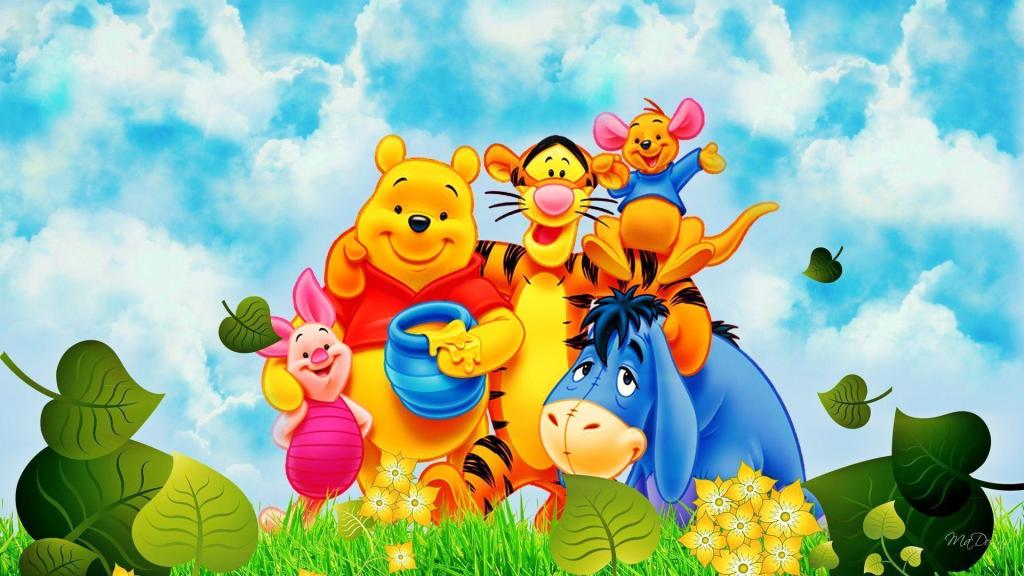
In that forest, every friend carried a piece of what it means to be human. Pooh, with his endless love for honey, taught us the sweetness of small joys. Piglet, trembling but brave, showed us that courage is not the absence of fear but the decision to stand anyway. Tigger bounced with the wild energy of play, while Eeyore, with his sagging tail and weary sighs, reminded us that sadness, too, deserves a place at the table. Kanga’s gentle care, Roo’s innocence, Rabbit’s order, and Owl’s wisdom—all together they formed a circle where no one was discarded, no voice too small, no sorrow too heavy.
But outside the pages, the forest is thinning. Childhood is being pulled into glowing screens, where imagination is outsourced to algorithms and empathy is dulled by endless scrolling. Instead of climbing trees, children swipe.
Instead of listening to the silence of the woods, they are bombarded by noise. Instead of learning to sit with Eeyore’s gloom, they are taught to scroll past discomfort.
Technology is not the villain, but when it replaces touch, story, and shared vulnerability, it risks raising children who are clever but not compassionate, connected but not rooted.
History has shown us the danger of such erosion. Genocide does not begin with weapons—it begins with the collapse of empathy.
It begins when even children are no longer seen as children, but as threats to a future someone wishes to erase. In every genocide, children are targeted because they carry continuity, because they are the next chapter of a people’s story.
When innocence itself is twisted into danger, when the smallest Piglet is dehumanized, the moral barrier against cruelty shatters.
This is why the Hundred Acre Wood matters. It is not just a storybook—it is a blueprint. It teaches us that every sorrow belongs, every joy is worth savoring, every weakness deserves kindness.
If we lose this, if w allow childhood to be flattened into pixels and empathy to be scrolled away, we risk raising generations who see difference as danger, not as part of the circle.
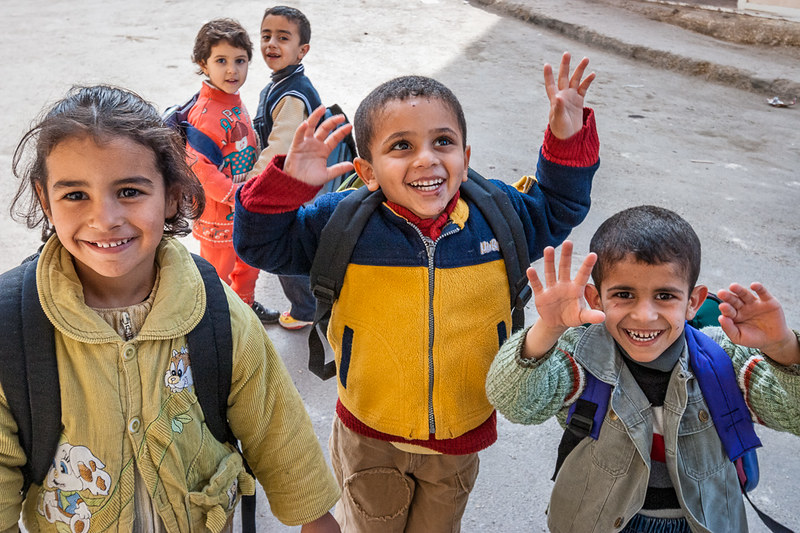
In the end, what makes us human is not our inventions, our monuments, or our power. It is whether we can bend low enough to protect the smallest among us—the tiny human who deserves nothing more than to live, to laugh, to dream without fear.
And yet, we have failed. We have allowed ambition, indifference, and cruelty to overshadow the simple duty of care. We have let children become collateral to conflict, their innocence traded for the illusions of progress.
But even in this failure, the tears of Christopher Robin remind us: it is not too late to remember. To return to the forest of belonging, where every child is sheltered, every sorrow is honored, and every joy is allowed to bloom.
If we are to call ourselves human, then we must rise to protect the tiny human. For in their fragile hands lies not only their future, but the measure of our own humanity.
“May we never again forget that the smallest life is the greatest trust.“


 NightingaleSea
Leave a comment