You are not expected to be right or perfect all the time.
You don’t have to fix every single problem.
You don’t have to validate every emotion.
You don’t have to apologize for every small thing.
What matters is presence. Consistency. The courage to show up again after you fall short.
As for me, I am choosing good enough. Because what is enough is already more than enough.
I see this truth most clearly when I watch my boys in the sports they chose.
Their courts and pistes are not just arenas of competition—they are classrooms of character, places where peace is quietly being built, one breath and one choice at a time.
Tennis: The Inner Peace of Self-Reliance
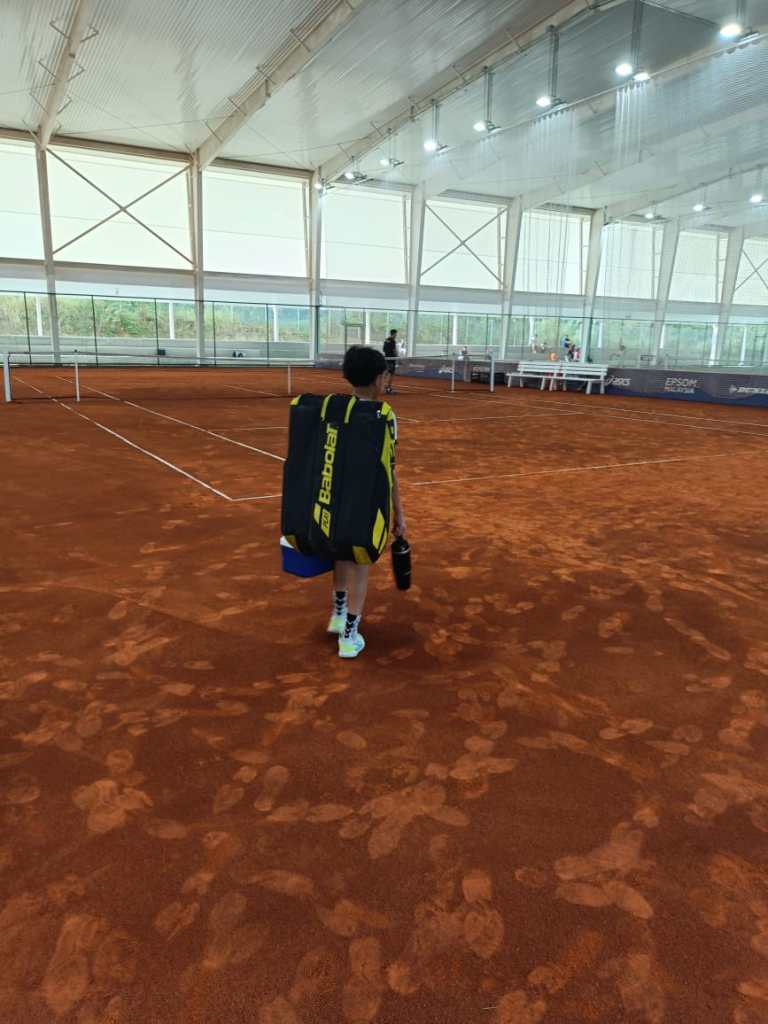
My Younger Son found his rhythm in tennis. Alone on the court, there is no teammate to lean on, no coach to whisper advice mid-match. It is just him, the racket, and the echo of his own thoughts.
At first, I saw frustration—slammed balls, heavy sighs, the sting of mistakes. But slowly, tennis taught him something deeper: how to breathe through disappointment, how to reset after a loss, how to shake hands with respect even when the match didn’t go his way.
This is peacebuilding at its most personal. The peace within. The ability to calm the storm inside before it spills outward. Tennis gave him the gift of self-regulation, of finding balance in solitude. And that, I believe, is the foundation of every peacemaker.
Fencing: Respect in the Midst of Conflict
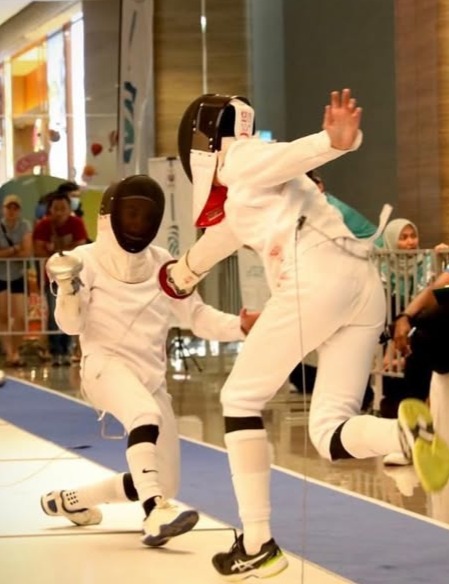
My Eldest Son chose fencing. At first glance, it looks like combat—two blades clashing, quick movements, sharp strikes. But beneath the surface, it is a dance of respect. Every bout begins and ends with a bow. Every strike is measured, every pause intentional.
Through fencing, he learned that conflict does not have to be destructive. It can be structured, respectful, even beautiful. He discovered that true strength is not in overpowering, but in understanding. That peace is not the absence of conflict, but the way we move through it—with dignity, with boundaries, with grace.
This is peacebuilding in relationship. The peace between. The art of engaging without destroying, of meeting challenge without losing respect.
A Mother’s Reflection
As their mum, I’ve realized I don’t need to be perfect. I don’t need to fix every stumble or polish every edge. My role is to be present. To witness. To guide when asked. To remind them that showing up—again and again—is what shapes character.
Sports became their teachers, but parenting became the frame. I learned that peace is not taught in lectures—it is modeled in patience, in consistency, in the way we return after falling short.
And so, I see it now: tennis builds the inner calm, fencing builds the outer respect. Together, they are shaping my boys into peacemakers—children who know how to steady themselves, how to honor others, and how to keep showing up even when it’s hard.
For Other Parents
If you are raising children, let them find their own courts, their own fields, their own blades. Let them wrestle with frustration, with silence, with conflict. Don’t rush to fix it all. Don’t demand perfection. Just be there.
Because peace is not built in grand gestures. It is built in the small, ordinary moments—when a child learns to breathe instead of break, to bow instead of boast, to return instead of retreat.
“As parents, our most meaningful gift isn’t perfection — it’s presence. It’s the quiet reassurance that being ‘good enough’ is already more than enough.”
 NightingaleSea
Leave a comment