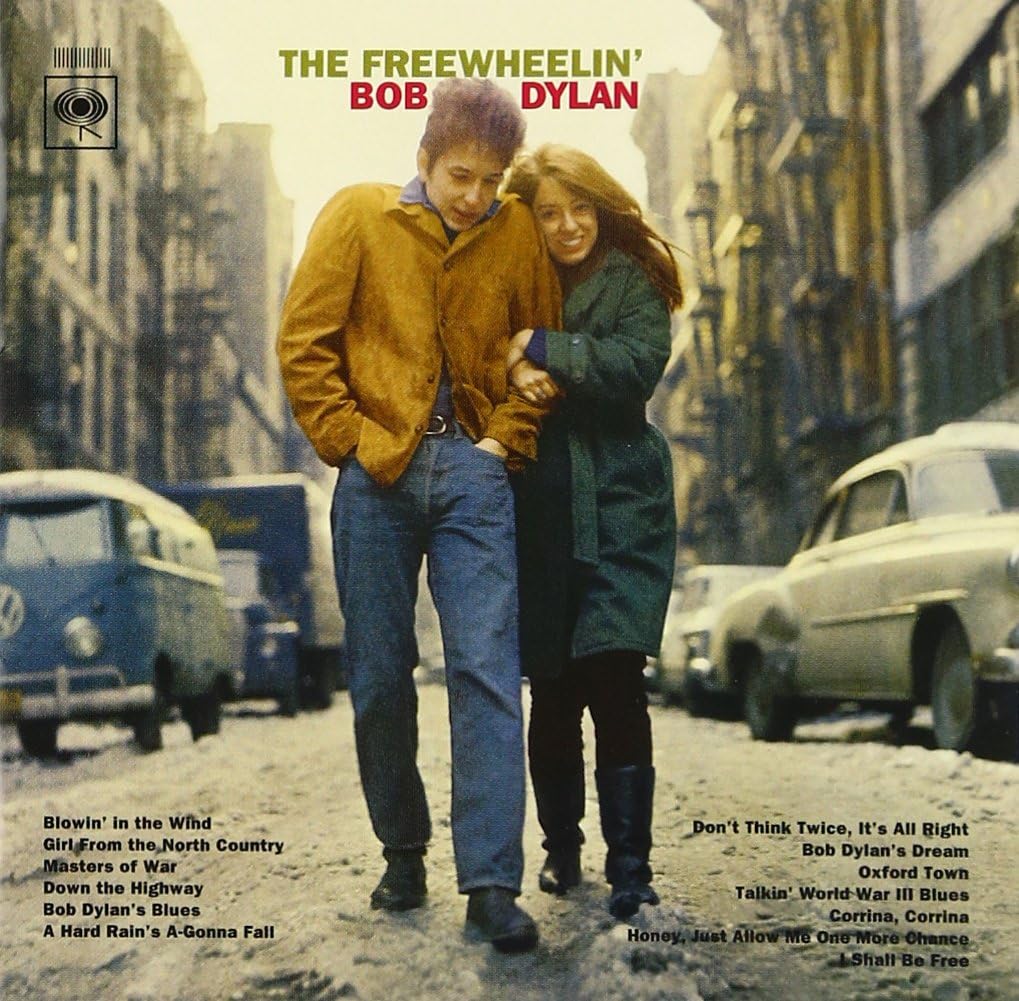
How many times must the cannonballs fly Before they’re forever banned?
The answer, my friend, is blowin’ in the wind
The answer is blowin’ in the wind—
As we drift into the final quarter of 2025, the world hums with the dissonance of unresolved conflict. Yet through the static, the songs of past peace movements echo like tuning forks for the soul—reminding us that music has always been more than melody.
It’s been resistance. It’s been refuge. It’s been the rallying cry of generations who dared to believe that harmony could outplay hostility.
These weren’t just songs. They were sonic strategies.
Anthems That Argued With War
John Lennon’s “Imagine” wasn’t just a song—it was a philosophical blueprint. With lyrics that dismantled nationalism and religious division, Lennon invited listeners to dream beyond borders:
“Imagine there’s no countries / It isn’t hard to do / Nothing to kill or die for / And no religion, too.”
This wasn’t utopia—it was strategic speculation. A shared hallucination of peace that still resonates across generations.
John Lennon’s “Imagine” wasn’t just a dream—it was a challenge. He wanted listeners to question the systems that divide us: religion, borders, and nationalism.
Bob Dylan’s “Blowin’ in the Wind” didn’t soothe—it sliced.
“How many times must the cannonballs fly / Before they’re forever banned?”
This wasn’t just poetry—it was policy critique. Dylan gave voice to moral confusion and turned it into political pressure. His questions became protest chants, his verses became movement fuel.
Blowin’ in the Wind” was written in 1962, during the height of the civil rights movement and rising opposition to the Vietnam War. Dylan’s lyrics gave voice to a generation grappling with injustice and uncertainty.
And Bob Marley? He turned rhythm into diplomacy. “One Love” wasn’t just a chorus—it was a peace accord.
“One love, one heart / Let’s get together and feel all right.”
When Marley brought rival political leaders on stage in 1978, he proved that music could do what manifestos couldn’t: make enemies hold hands.
Bob Marley’s “One Love” became a unifying anthem in Jamaica’s politically turbulent 1970s. His 1978 Peace Concert, where he joined rival leaders on stage, turned music into diplomacy.
The Shift from Protest to Intimacy
But here’s the pivot: those anthems were loud, collective, and outward-facing. What if today’s peace song needs to be quieter—more internal, more intimate?
Depeche Mode’s “Somebody” offers no slogans. No rallying cries. Just a vulnerable plea for connection.
“I want somebody to share / Share the rest of my life / Share my innermost thoughts / Know my intimate details.”
It’s not a protest song—it’s a psychological excavation. A hymn for the age of emotional fatigue. For youth, it’s a mirror. For academics, it’s relational ethics in verse. For strategists, it’s empathy as infrastructure.
Why This Matters Now
Hatred doesn’t begin with violence—it begins with distance. With the slow erosion of empathy, the easy habit of turning people into categories. Depeche Mode’s “Somebody” offers a quiet rebellion against that drift. It’s not a protest song—it’s a plea for intimacy.
A call to be known so deeply that generalizations collapse. If millions embraced this vulnerable creed—to be truly seen, heard, and held—the foundations of animosity would begin to crack. Not through slogans or marches, but through the radical act of connection. This isn’t softness. It’s strategy. Because when love becomes the organizing principle, hatred loses its architecture.
Love is matter
Perhaps the next peace movement won’t begin with a march, but with a murmur. A trembling truth: we all just want somebody to love, and to be understood in return. That’s not naïve—it’s revolutionary. Because when love becomes the organizing principle, hatred loses its grip.
So let’s not wait for the next anthem to be written. Let’s live it. One connection at a time. One whisper at a time. One radical act of empathy at a time.
Here are the referenced songs with links to official or widely accessible versions:
| Song Title | Artist | Link |
|---|---|---|
| Imagine | John Lennon | Listen on YouTube |
| Blowin’ in the Wind | Bob Dylan | Listen on YouTube |
| One Love / People Get Ready | Bob Marley | Listen on YouTube |
| Somebody | Depeche Mode | Listen on YouTube |
 NightingaleSea
Leave a comment