From empires to revolutions, women have led with wisdom, courage, and conviction.
History, as it has often been recorded, presents a tapestry woven predominantly with the threads of male heroism, conquest, and political ambition. Yet, a closer examination reveals a far more intricate and compelling pattern.
Throughout every age, from the dawn of civilization to the present day, women have exerted a powerful influence on the course of events. This impact has rarely been confined to the roles of queens or figures of authority, but has instead manifested in a spectrum of guises: as cunning politicians, spiritual leaders, healers, and defiant revolutionaries.
The enduring strength and tenacity of women, their ability to lead and innovate despite patriarchal constraints, is a continuous and undeniable force that has shaped societies and inspired generations.
The Sovereign and the Strategist: Women Who Shaped Empires
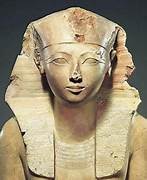
Ancient history offers remarkable examples of women who seized and wielded power with an iron will and strategic genius. In ancient Egypt, Hatshepsut stands as a testament to this fact. Ruling as a pharaoh in her own right around 1479 B.C., she shattered gender norms by adopting the full regalia of kingship, including the ceremonial false beard. Her reign was not one of conquest, but of extraordinary prosperity, marked by ambitious building projects and a famed trading expedition to the land of Punt. Her success was not due to brute force, but to her keen political mind, which enabled her to maintain peace and expand Egypt’s wealth, leaving behind a legacy that was, for a time, deliberately erased from official records by her successors.
Millennia later, during the Tang Dynasty in China, the world witnessed the ascent of Empress Wu Zetian. Rising from concubine to empress, she was a master of court politics, and her reign from 690 to 705 A.D. stands as a unique period in Chinese history. She was the only female sovereign to rule in her own right, and she did so with a brutal efficiency that saw her purge rivals and consolidate her power. However, her rule was not defined solely by cruelty; it was also a time of significant cultural flourishing and administrative reform. She championed education for all, promoted Buddhism, and strengthened the civil service, demonstrating a strategic vision that transcended gender and left an indelible mark on Chinese governance.
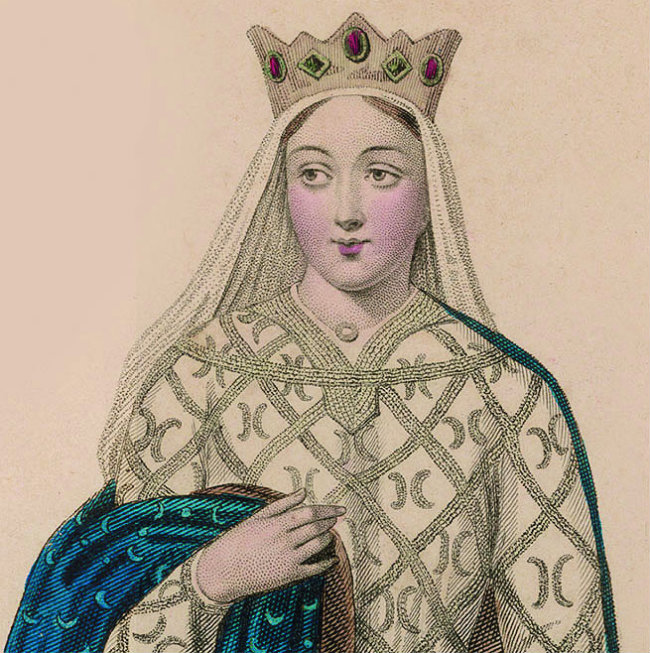
The spirit of the sovereign and strategist also found expression in the medieval world through figures like Eleanor of Aquitaine. As queen of France and later England, she was far more than a consort. A formidable politician and patron of the arts, she wielded vast influence through her familial and political networks. She participated in the Second Crusade and famously led her own army, a shocking and bold act for a woman of her time. Her political acumen was so profound that she effectively ruled Aquitaine as a semi-independent duchy, proving that a woman could govern vast territories and navigate the treacherous political waters of medieval Europe with unparalleled skill.
Mystics and Healers: Spiritual Authority and Community Strength
Beyond the halls of power, women have historically held immense authority in the realms of the spiritual and the arcane. Often seen as keepers of ancient knowledge and folklore, they were the village healers, herbalists, and midwives. While their power was often celebrated, it also made them vulnerable to persecution, particularly during times of social upheaval.
The tragic events of the Salem Witch Trials in 17th-century Massachusetts are a stark reminder of how women who possessed knowledge, challenged social norms, or simply existed outside patriarchal control could be targeted with fatal accusations. Yet, their legacy as healers and spiritual guides endures, embodying a strength rooted not in a throne, but in a deep connection to their communities and the natural world.
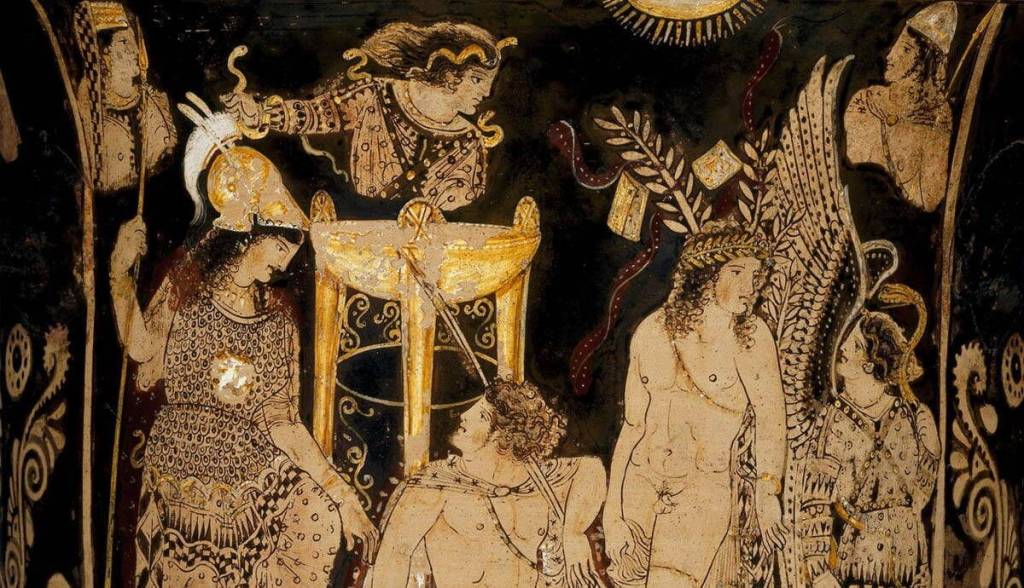
Delphic Oracle
Spiritual influence granted some women political power on a scale that few others could achieve. The Oracle of Delphi in ancient Greece, for example, was a high priestess whose prophecies were so revered that kings and generals would travel great distances to seek her counsel before making major political and military decisions. Her authority was absolute and respected, transcending the gender barriers of her time.
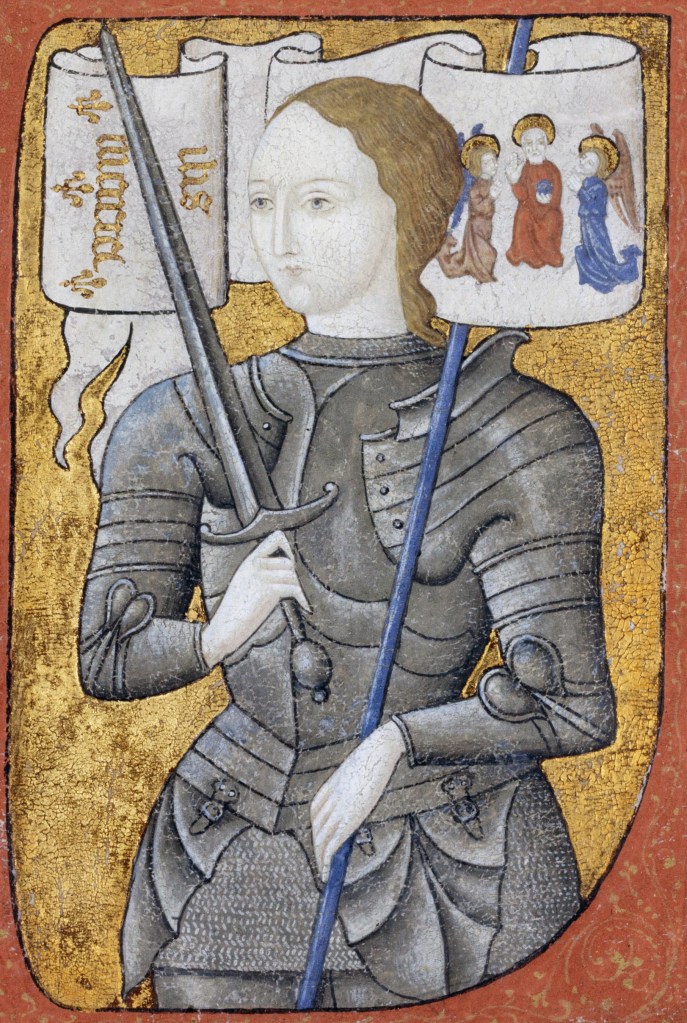
In a different context, the 15th-century French military leader, Joan of Arc, personified the fusion of spiritual conviction and audacious leadership. Believing she was acting on divine instruction, she rallied the disheartened French army, lifted the Siege of Orléans, and played a pivotal role in changing the course of the Hundred Years’ War. Her story is a powerful testament to the strength of a woman whose faith and courage inspired a nation, even as it ultimately led to her martyrdom.
The Cunning Politician and Modern Leaders: Breaking Barriers

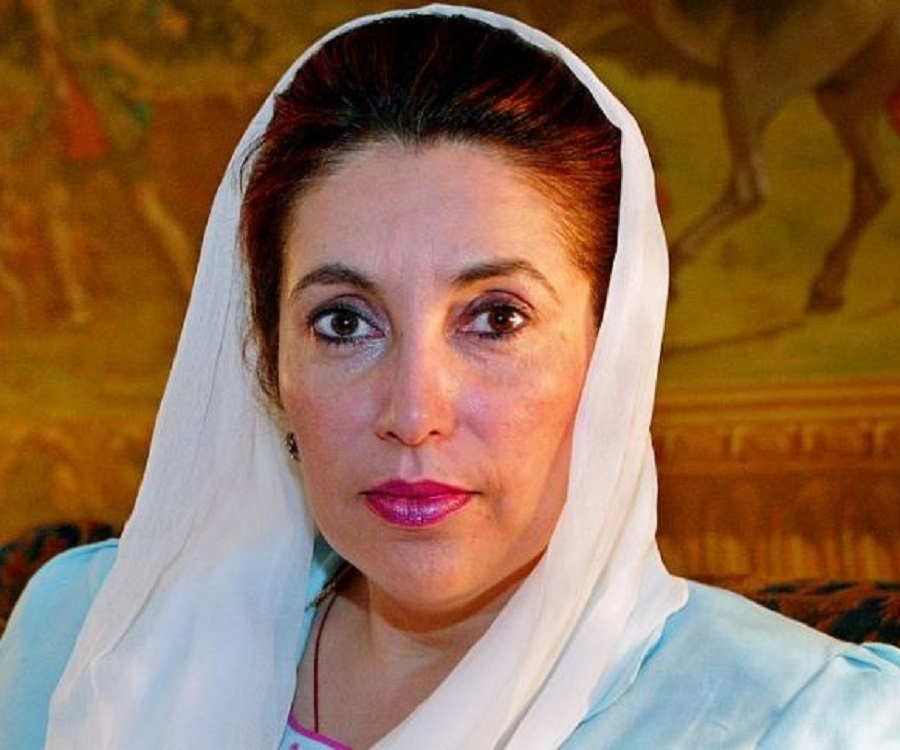
As the world moved into the modern era, women continued to defy expectations and carve out powerful roles in politics, often through sheer tenacity and strategic brilliance.
In South Asia, the late 20th century saw the rise of two political giants: Indira Gandhi of India and Benazir Bhutto of Pakistan. Both women led their nations in the face of intense political instability and patriarchal opposition, proving that a woman could hold the highest office in a deeply traditional society.
Indira Gandhi, daughter of the first Prime Minister, navigated the complexities of post-colonial nation-building with a mix of populism and authoritarianism, leading India through wars, famines, and the Green Revolution. She was a shrewd and commanding presence on the world stage, and her political legacy is still debated.
The Green Revolution
India’s self-sufficiency in food and many sectors of agriculture owes to the Green Revolution that Indira Gandhi mentored. Encouraging Indian scientists to collaborate with their international counterparts, her policies resulted in Indian farmers taking to the new varieties with great enthusiasm. This required bold political leadership and far-sightedness, which she provided from the very start of her first term as Prime Minister in 1966. As a result of her programmes, over the years India converted an acute dependency on imported food and agricultural products to becoming an exporter of many agricultural products.
Benazir Bhutto, the first female leader of a Muslim-majority nation, inherited a legacy of political struggle and faced constant threats to her life and power. Her political career was a masterclass in resilience, and her assassination underscored the immense personal risk and sacrifice often required of women who dare to lead in such environments.
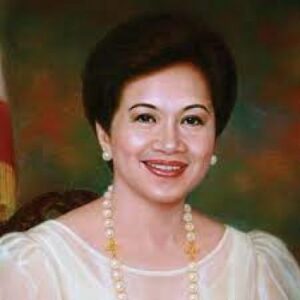
In Southeast Asia, the peaceful democratic transition in the Philippines was led by Corazon Aquino. A reluctant politician, she was thrust into the spotlight after the assassination of her husband, becoming the face of the People Power Revolution that overthrew the dictator Ferdinand Marcos in 1986.
Her strength was not that of a ruthless politician, but of a determined mother and widow who embodied the moral courage of a nation seeking freedom. Her peaceful rise to power and her role in restoring democracy serve as a global model for non-violent resistance and political transition.
The modern era is now rich with examples of women who have built on this legacy, demonstrating a strength that is both strategic and empathetic. Leaders like former German Chancellor Angela Merkel and former New Zealand Prime Minister Jacinda Ardern have led their nations through major crises with a distinct leadership style.
Merkel’s quiet, methodical, and pragmatic approach defined European politics for a decade and a half, while Ardern’s emphasis on empathy and collective well-being in the wake of terrorism and a global pandemic captivated the world. These women show that the strength of female leadership is not a singular trait, but a diverse and evolving force, capable of manifesting in countless ways.


“Her authority was absolute and respected, transcending the gender barriers of her time.”
The history of women’s strength is a continuous, unbroken narrative. From the pharaohs who built empires to the village healers who saved lives, from the cunning queens who shaped kingdoms to the modern leaders who inspire millions, women have consistently found ways to lead, influence, and endure. Their stories are a vital and powerful part of our shared past, and they provide a compelling vision for a future where strength is no longer defined by traditional power, but by a more inclusive and resilient human spirit.
“Which forgotten woman in history inspires you to lead with courage today?”
 NightingaleSea
Leave a comment