From colonial shadows to strategic light, India and Malaysia are scripting a new chapter in Asian diplomacy—one rooted in shared values, economic synergy, and regional resilience.
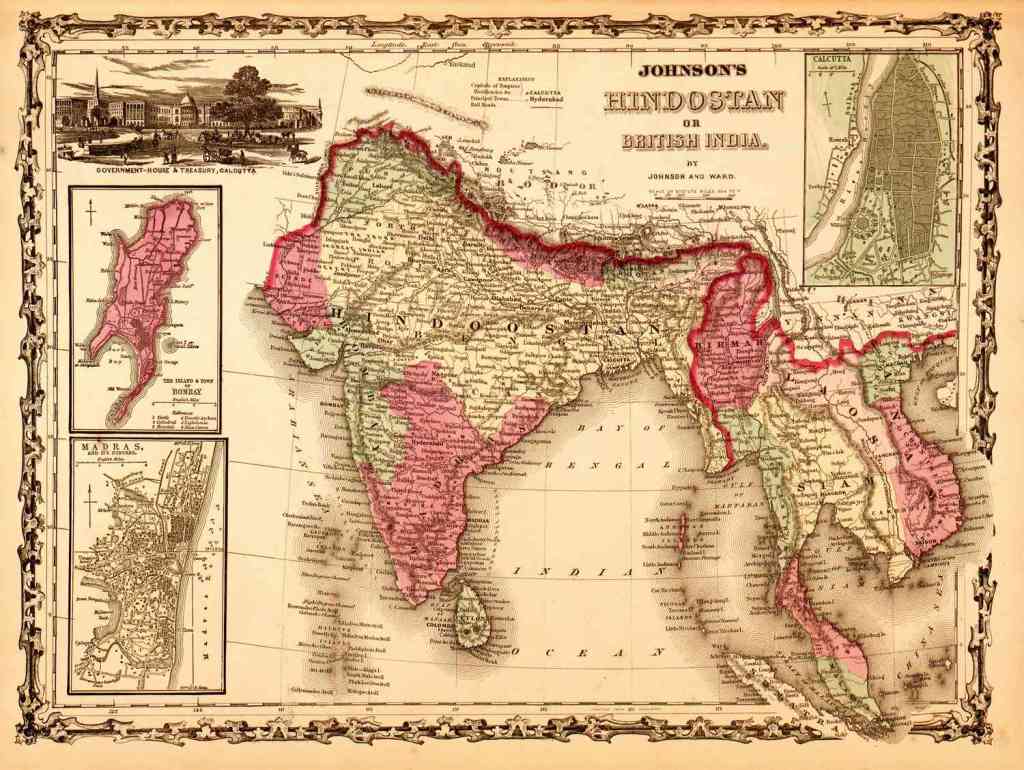
An 1862 map showed political Geography of British Johnson Hindustan. Getty Images
The saga of India and Malaysia is not just a tale of two nations; it is a testament to resilience, shared aspirations, and strategic partnerships that can reshape the contours of the Indo-Pacific. Emerging from a similar colonial past, the bond between these countries has transformed through the decades, evolving into a dynamic alliance ready to tackle the challenges of the 21st century.
The Early Bonds of Brotherhood
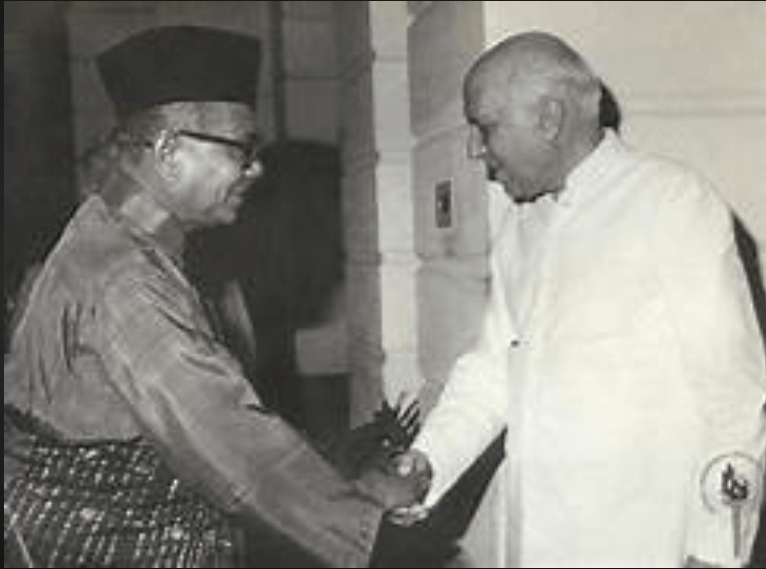
In 1957, as both nations stepped into independence, a bond was born—rooted in empathy and shared struggle. The warmth between Nehru and Tunku Abdul Rahman wasn’t just diplomatic; it was deeply personal. Malaysia’s support during the 1962 Sino-Indian War, including the “Save Democracy Fund,” reflected a brotherhood that transcended borders.
Reference : MEA Bilateral Brief
A Period of Divergence
Yet, as the world evolved, so did the dynamics between these two nations. Malaysia began to pivot towards its Islamic identity and found a home within ASEAN, while India sought security through a treaty with the Soviet Union in 1971. These shifts created a gap, leading to a phase of cordial but limited interaction. For nearly three decades, both countries focused on their respective priorities, leading to a period characterized by benign neglect of their once-vibrant relationship.
A New Era of Engagement
The end of the Cold War marked a pivotal moment. India’s “Look East” policy in the early 1990s reignited its interest in Southeast Asia, positioning Malaysia as a crucial partner in regional cooperation. This rekindling of ties found resonance as Malaysia embarked on its impressive economic journey, creating a fertile ground for renewed ollaboration.
Reference : INDIA-MALAYSIA BILATERAL RELATIONS 2024
Elevation to Strategic Partnerships
The dawn of the new millennium heralded an era of significant progress. In 2015, Indian Prime Minister Narendra Modi’s visit to Malaysia resulted in an “Enhanced Strategic Partnership” that laid the groundwork for deeper cooperation. Fast forward to August 2024, and this partnership was elevated to a “Comprehensive Strategic Partnership” during Malaysian Prime Minister Anwar Ibrahim’s state visit to India, signaling a convergence of interests that both nations could no longer ignore.
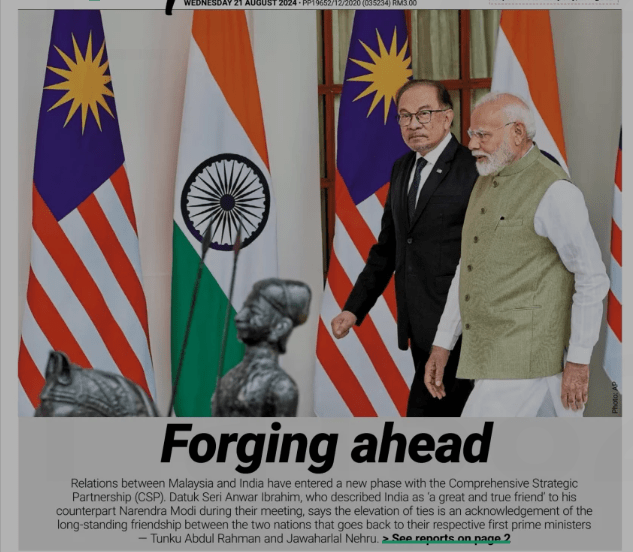
Reference : Joint Statement in CSP (Comprehensive Strategic Partnership)
A Multifaceted Relationship
Today, the India-Malaysia relationship stands as a robust, multi-dimensional alliance. Economically, bilateral trade has surged, surpassing $20 billion in the 2023-24 fiscal year, illustrating the mutual benefits of this partnership. Strategically, both nations are pivotal players in the Indo-Pacific, with Prime Minister Modi emphasizing Malaysia’s critical role in India’s “Act East Policy” and its “Vision MAHASAGAR” (Mutual and Holistic Advancement for Security and Growth Across Regions).
reference : India-Malaysia Overview
Strengthening Defence Ties
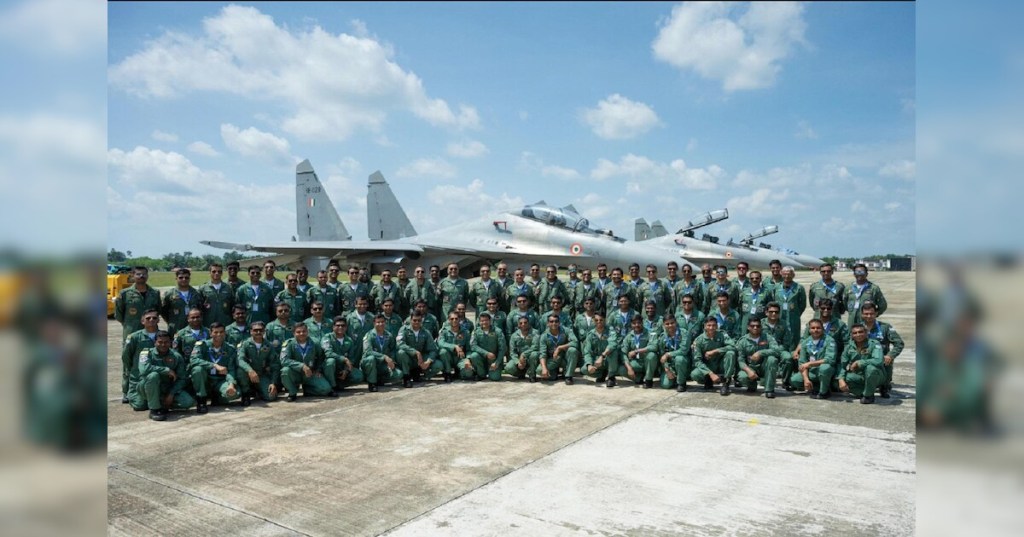
One of the most compelling aspects of this partnership is the strong defense cooperation that has emerged. The bilateral Memorandum of Understanding on Defence Cooperation, initiated in 1993, has led to regular joint military exercises like “Harimau Shakti” and ongoing dialogues through the Malaysia-India Defence Cooperation Committee (MIDCOM). This collaboration extends beyond mere military exercises, encompassing vital areas such as maritime security and the collective pursuit of a stable, rules-based order in the region.
Conclusion: A Shared Future
From the deep-seated friendship of the post-colonial era to a period of distance, the evolution of India-Malaysia relations showcases a journey toward maturity and collaboration. With shared democratic values, converging strategic interests, and rich historical ties, these nations stand poised to influence the Asian landscape of the 21st century. Embrace this partnership and witness how, together, India and Malaysia can navigate the future, shaping a prosperous and secure Indo-Pacific for generations to come.
reference : ISIS Policy Brief – Making the Malaysia-India Comprehensive Strategic Partnership work
#IndiaMalaysiaRelations
#StrategicPartnerships
#ActEastPolicy
#VisionMAHASAGAR
#GlobalUnity
#ASEANIndia
 NightingaleSea
Leave a comment