“Starvation is conquest without armies.”
Famine is a grim Spectre, often thought to arise from natural disasters or unfortunate circumstances. But what happens when famine is deliberately crafted, used as a tool to manipulate and control populations?
Engineered famine—a calculated, systematic starvation—inflicts devastation far beyond empty stomachs. It dismantles individuals, communities, and entire social structures, leaving long-lasting scars.
This blog will explore the ways engineered famine affects individual lives, unravels the fabric of communities, and creates lasting power imbalances.
What is Engineered Famine?
Engineered famine refers to the intentional use of hunger as a weapon to achieve political, economic, or military objectives. It’s not an accident of nature but a deliberate policy. By withholding food supplies, controlling access to resources, or disrupting agricultural systems, those in power use famine to starve their opponents into submission.
Examples in History:
The Great Famine in Ireland (1845–1852): British policies exacerbated a natural potato blight, leading to mass starvation and emigration. (Source)
Holodomor (1932–1933): A man-made famine in Soviet Ukraine, orchestrated under Stalin’s regime to suppress dissent. (Source)
Bengal Famine (1943): British colonial policies and wartime decisions led to famine in India, killing millions. (Source)
This hidden form of warfare has been used throughout history to suppress dissent, depopulate areas, and enforce political dominance. Unlike overt violence, engineered famine devastates silently and slowly, making its effects even more insidious.
The Individual Toll of Starvation
Famine begins its destruction at the most personal level—the human body. When deprived of adequate food, the body undergoes a harrowing transformation:
- Energy Depletion: The body first consumes its glucose and glycogen reserves. Once those are gone, it turns to fat for energy. When even fat reserves run dry, the body begins breaking down its muscle and organ tissues for survival. (CDC)
- Visible Signs: Individuals may develop conditions like marasmus, marked by extreme thinness, or kwashiorkor, which causes swelling despite underlying malnutrition.
- Nutritional Deficiencies: Vital micronutrients like vitamin C, vitamin A, and thiamine are lost, leading to debilitating illnesses such as scurvy, night blindness, and beriberi. (WHO)
- Weakened Immunity: Without proper nutrients, the immune system collapses. Diseases like pneumonia and dysentery often claim lives before starvation does.
Physical Impact of Starvation
– Energy depletion and tissue breakdown : (Source: 1. Wikipedia: Starvation Response – Explains the biochemical progression from glycogen to fat to muscle and organ tissue 2. LITFL: Starvation Response – Medical breakdown of metabolic shifts during starvation 3. Wellwisp: What Happens During Starvation – Accessible overview of physiological changes)
Psychological Impact of Starvation – – Cognitive and emotional decline: Starvation Effect – 1. Focus and decision-making due to glucose depletion 2. Emotional regulation, leading to irritability, depression, and social withdrawal 3. Empathy and social cohesion, often replaced by desperation (Sources 1. APA: The Psychology of Hunger – Based on the Minnesota Starvation Experiment 2. NeuroLaunch: Psychological Effects of Starvation – Explores cognitive fog, emotional instability, and behavioral shifts )
Nutritional Deficiencies: Scurvy & Beriberi 1. Scurvy (Vitamin C deficiency): Characterized by bleeding gums, fatigue, joint pain, and poor wound healing. (Source: WHO Technical Document: Scurvy and Its Prevention) 2. Beriberi (Thiamine deficiency) – Dry beriberi: neurological symptoms like numbness and muscle weakness – Wet beriberi: cardiovascular issues including heart failure
Source:CareLearning: Disorders Caused by Vitamin Deficiencies
Physically, starvation wastes the body, but its psychological impact is just as cruel. The brain, deprived of glucose, enters a foggy state. People lose focus, memory, and their ability to make decisions. Feelings of hope and trust dissolve, replaced by apathy or desperation. The will to survive becomes a singular, all-consuming drive, often at the cost of empathy and community cohesion. (APA)
The Collapse of Communities
When hunger is weaponized against groups, the destruction scales up from individuals to entire communities. A society functions like a living organism, relying on trust, cooperation, and shared goals. Engineered famine systematically breaks these connections.
- Economic Paralysis: Hunger cripples labour forces. Fields are left unplowed, factories close, and shops become empty shells. The basic systems that sustain life grind to a halt. (FAO)
- Erosion of Social Bonds: Desperation overtakes cooperation. Friendships, familial ties, and community support systems crumble as people fight for survival. The neighbour who once shared bread now becomes a competitor. (UNICEF)
- Collapse of Education and Culture: With children too weak to attend school and adults consumed by survival, education and cultural traditions are abandoned. Stories, songs, and rituals disappear, leaving cultural voids.
- Health Crises: Communities in famine lack access to clean water, medical care, and sanitation. Outbreaks of diseases like cholera spread quickly among already weakened populations. (WHO)
This breakdown in community cohesion paves the way for external forces to assert control. By dismantling social structures, engineered famine leaves people unable to organize resistance or rebuild independently.

Hunger as a Tool of Power
One of the darkest aspects of engineered famine is how it consolidates power for those orchestrating it. Control over food becomes control over life itself.
- Enforced Dependence: By controlling the distribution of food supplies, governments or groups create populations entirely dependent on their mercy. Compliance becomes the price for survival. (Human Rights Watch)
- Psychological Warfare: Starvation demoralizes communities. The sheer exhaustion from daily survival efforts makes resistance almost impossible. (ReliefWeb)
- Generational Damage: The effects of famine outlast the immediate crisis. Children who survive often suffer from stunted growth, developmental delays, and lifelong health issues. This ensures a weakened, less capable population for years to come.(UNICEF)
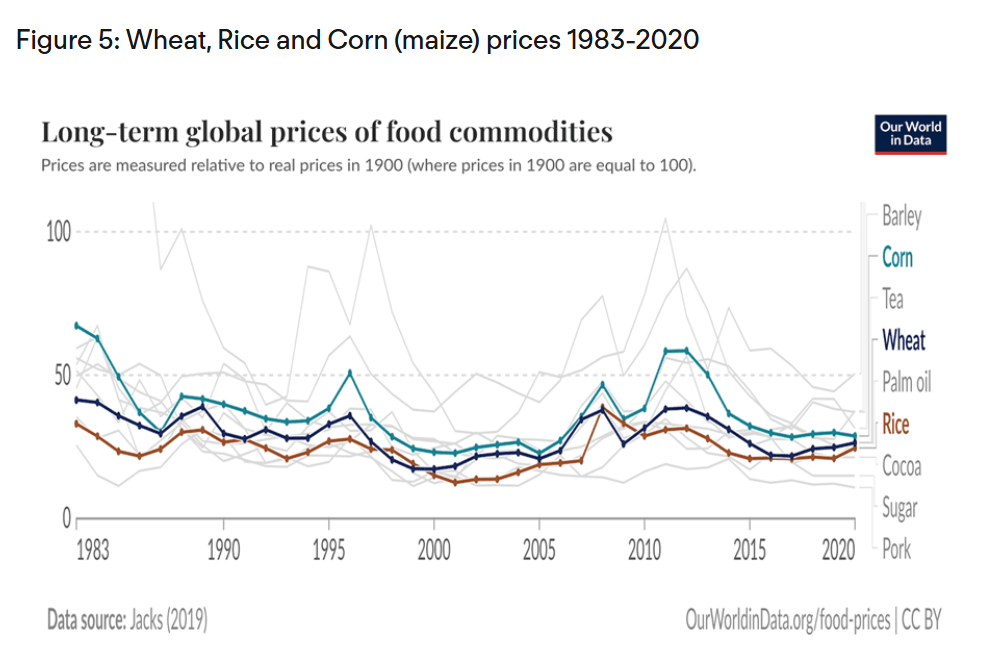
Source of chart from WorldPeace Foundation
By turning hunger into leverage, perpetrators achieve long-term domination over their victims. It’s a form of conquest without armies, leaving no immediate physical ruins but deeply fractured societies.
Can We Dismantle Engineered Famine?
Awareness is the first step in combating engineered famine. Recognizing hunger as a deliberate choice, rather than an unfortunate inevitability, reshapes the conversation.
- Global Advocacy: International bodies must hold perpetrators accountable. Sanctions, diplomatic efforts, and humanitarian interventions can deter the use of food as a weapon.
- International sanctions and diplomatic efforts can pressure governments to stop using hunger as a weapon. (Amnesty International)
- International sanctions and diplomatic efforts can pressure governments to stop using hunger as a weapon. (Amnesty International)
- Strengthening Aid Systems: Delivering aid to famine-affected areas requires overcoming political barriers and ensuring resources reach the intended recipients.
- Humanitarian aid must bypass political barriers to reach intended recipients. (World Food Programme)
- Humanitarian aid must bypass political barriers to reach intended recipients. (World Food Programme)
- Empowering Communities: Local-level support—like education, infrastructure, and sustainable farming—can help communities recover and resist future attempts at manipulation.
- Investments in education, infrastructure, and sustainable farming can build resilience. (FAO)
- Investments in education, infrastructure, and sustainable farming can build resilience. (FAO)
- Policy Reforms: Governments worldwide must address the root causes of engineered famine, from discriminatory policies to economic inequality.
- Governments must address economic inequality and discriminatory practices that perpetuate hunger. (Oxfam)
- Governments must address economic inequality and discriminatory practices that perpetuate hunger. (Oxfam)
A Collective Responsibility
Engineered famine is not only a humanitarian crisis but a collective failure of accountability.
It challenges us to confront systems that allow peace and survival to become bargaining chips in power struggles.
The battle against systemic hunger begins with informed conversations, decisive actions, and a determination to protect the dignity and strength of individuals and communities alike.
By exposing these injustices and working toward solutions, we can bring hope to those silenced by hunger and reclaim food as a fundamental human right.

Engineered famine is one of the most devastating, yet overlooked, human-made crises. Understanding its impact reveals not only the cruelty of its creators but also the resilience of those who endure and resist it. By addressing this issue with urgency and compassion, we can fight the forces that use hunger as a weapon and build a future where food serves as a foundation for growth, not control.
- #EngineeredFamine
- #HumanitarianCrisis
- #GlobalHunger
- #FoodInsecurity
- #HumanRights
- #SocialJustice
- #Activism
- #HungerAsAWeapon
- #FamineAwareness
- #GlobalImpact
- #HumanitarianAid
- #EndHunger
- #PolicyChange
- #SustainableDevelopment
- #ThinkTankInsights
 NightingaleSea
Leave a comment