Hunger does not cause noise like bombs, but its effects can be just as terrible—and sometimes, it is done on purpose.
In 2025, hunger is being used as a weapon in many places, leaving millions struggling in their bodies, hearts, and daily lives.
For people in Gaza, those forced from their homes in Sudan, and farmers in Ukraine, food is not just about survival—it is being used to control and punish. These situations are not accidents. They are carefully planned, and there are real people and groups behind these decisions.
This post shines a light on how famine is created through things like blockades, sanctions, and destruction of farms. By calling out those responsible, we hope to inform you, encourage action, and push for accountability.
Gaza: Lifeline Cut Off
For the 2.2 million people living in Gaza, famine is no longer a threat; it is their reality.
Since the conflict got worse in October 2023, Gaza has faced ongoing blockades. Previously, about 500 Trucks Brought Aid And Goods Into Gaza every day, but now it is often less than 100. These tight inspections and restrictions have led to a serious crisis. Vital aid items, even things like water purifier tablets and medical supplies, are sometimes not allowed in because they might be used for something else.
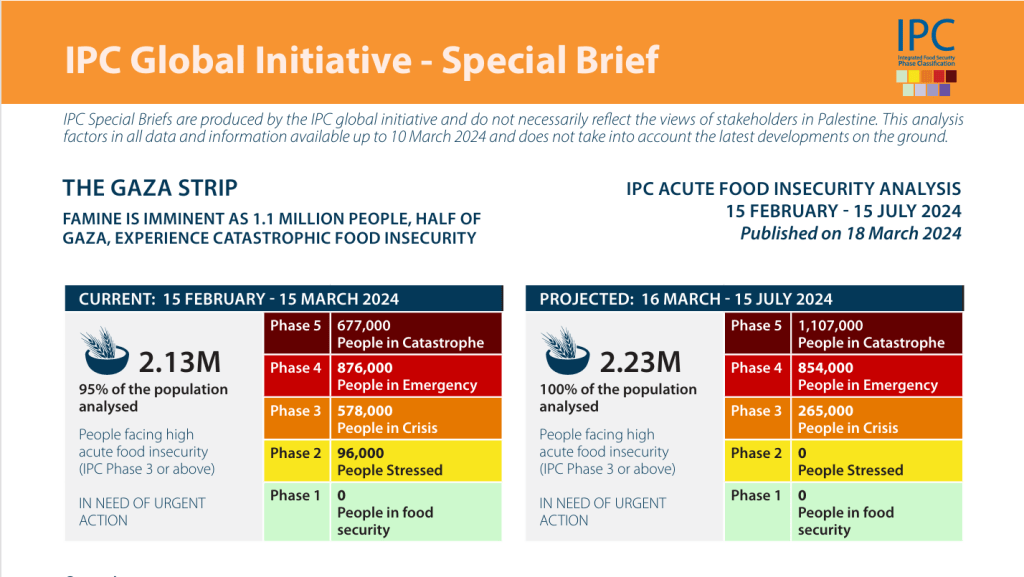
The human cost is huge. The United Nations says that more than half a million people in Gaza are at the highest level of hunger (IPC Phase 5), which means starvation and death are looming. Children are suffering the most. Reports from the World Health Organization and UNICEF show child malnutrition rates in northern Gaza have gone above 30%—fifteen times higher than before the conflict. This shows just how deep and organized the crisis is.
Homes and important places—like bakeries supported by the World Food Programme—have been destroyed, so families cannot even get basic food. The entire society is collapsing slowly and painfully. Leading human rights groups have called these acts war crimes, but the world’s response has been too weak, and the suffering grows.
Sudan: The Forgotten Crisis
Sudan now faces one of the world’s biggest—but least talked about—humanitarian emergencies.
Since April 2023, fighting between two groups (the RSF and the army) has created a war on two fronts. Over 10 million people have had to leave their homes, and 18 million are facing serious hunger. Nearly 5 million are close to famine.
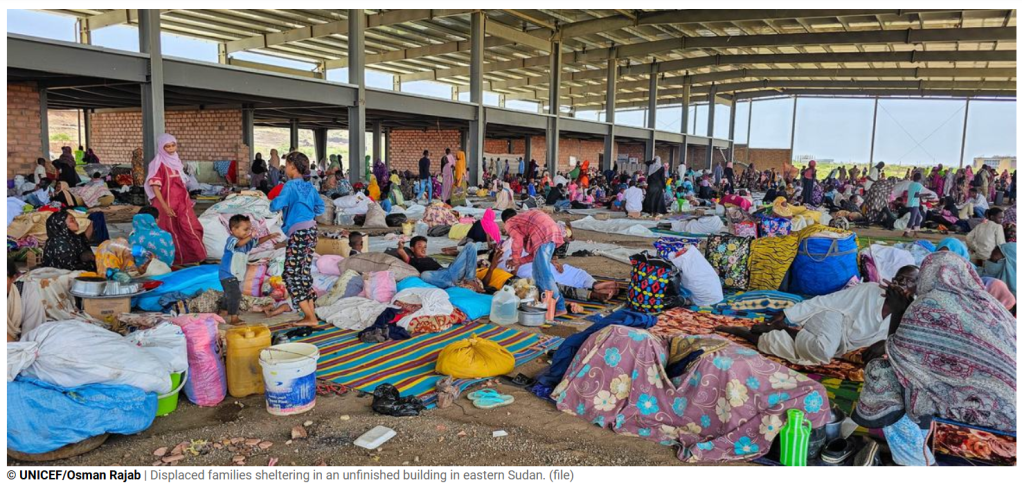
Sudan faces unprecedented hunger and displacement as war enters third year
The RSF blocks roads and stops food and supplies from reaching people, basically using starvation as a weapon. In places like El-Fasher in North Darfur, 1.5 million people have been cut off from help, and warehouses holding food have been ransacked. The army, meanwhile, slows things down with red tape—delaying paperwork and visas for aid workers. This stops food and medicine from reaching those in RSF-controlled areas.
Sudan’s health system is also falling apart. More than 70% of hospitals and clinics in conflict areas are closed. This makes things even worse because hunger makes people weaker and more likely to catch preventable diseases. Another big problem is that the world is not paying much attention. The UN’s 2025 help plan for Sudan is only 25% funded, showing how little support there is.
Ukraine: War on the Breadbasket
Ukraine used to be a major food supplier for the world, but war has changed everything.
Since Russia invaded in 2022, Ukraine’s food production has dropped by a huge 40%. This is not an accident—it is on purpose, by attacking the country’s role in feeding others.
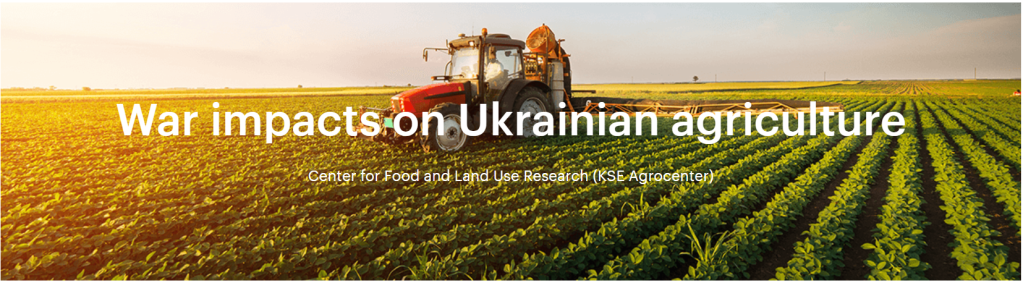
More than $10 billion in farm damages have been recorded by economic researchers. Bombs have hit storehouses filled with grain, destroying 300,000 tons of food. Landmines make it too dangerous to farm in many areas. The sea is also blocked, making it almost impossible for Ukraine to ship food to other countries that need it.
This impacts the whole world. Food prices are going up, and poorer countries cannot get the food they need. This is a clear example of how hunger can be used as a weapon in world conflicts—not just as something that happens by accident.
What You Can Do
Famine is not just bad luck or a natural disaster—it is often made by people. The suffering in Gaza, Sudan, and Ukraine shows the cruel use of hunger as a tool of war. Every number, every destroyed storage building, every hungry child is a story that must be told. These are crimes against humanity, and we cannot ignore them.
Here are ways you can help:
- Raise Awareness: Share this post and stories like it. The more people know, the harder it is for the world to look away.
- Donate: Support groups like UNICEF, the World Food Programme, and Save the Children, who are working on the ground to help.
- Advocate: Ask your leaders and lawmakers to take action—extra aid, and punishment for those who use hunger as a weapon.
- Stay Informed: Follow trusted organizations online so you can keep learning and help spread important information.
Hunger does not arrive suddenly like war—it seeps in slowly and destroys lives. But together, we can refuse to let famine continue. We can demand justice, and we can work to make sure food is never used to hurt people again.
Sources:
1. GAZA
The Integrated Food Security Phase Classification (IPC) confirms that famine is imminent in Gaza, with over 500,000 people expected to face IPC Phase 5 (Catastrophe) conditions.
According to UNICEF, 31% of children under 2 in northern Gaza are acutely malnourished, a staggering rise from 15.6% just weeks earlier.
The World Health Organization (WHO) also issued a joint alert with UNICEF and WFP, warning that Gaza is experiencing a steep rise in malnutrition and hunger-related deaths.
2. SUDAN
Displacement Hunger: over 10 million people have been displaced since April 2023, and 25 million are facing extreme hunger. The World Food Programme (WFP) confirms that famine has already been declared in several areas, with nearly 5 million people at risk of IPC Phase 5 (Catastrophe).
Health System Collapse: The World Health Organization (WHO) and other medical sources report that over 70% of hospitals in conflict zones are non-functional due to bombings, looting, and staff shortages.
UN Funding Shortfall: The 2025 Sudan Humanitarian Needs and Response Plan seeks $4.2 billion, but as of July 2025, only 22.8% has been funded.
3. UKRAINE
 NightingaleSea
Leave a comment