Peacebuilding isn’t just a concept; it’s a mission critical for building a better future. Today, as our world grows increasingly divided—socially, politically, and culturally—conflict has become a persistent feature of our shared experience.
Yet the next generation offers hope. Children born today have the power to become architects of peace, shaping a world where collaboration and understanding triumph over division. But peace doesn’t happen by chance—it starts with conscious effort, a mindset, and, most importantly, a commitment to teaching and nurturing it from a young age.
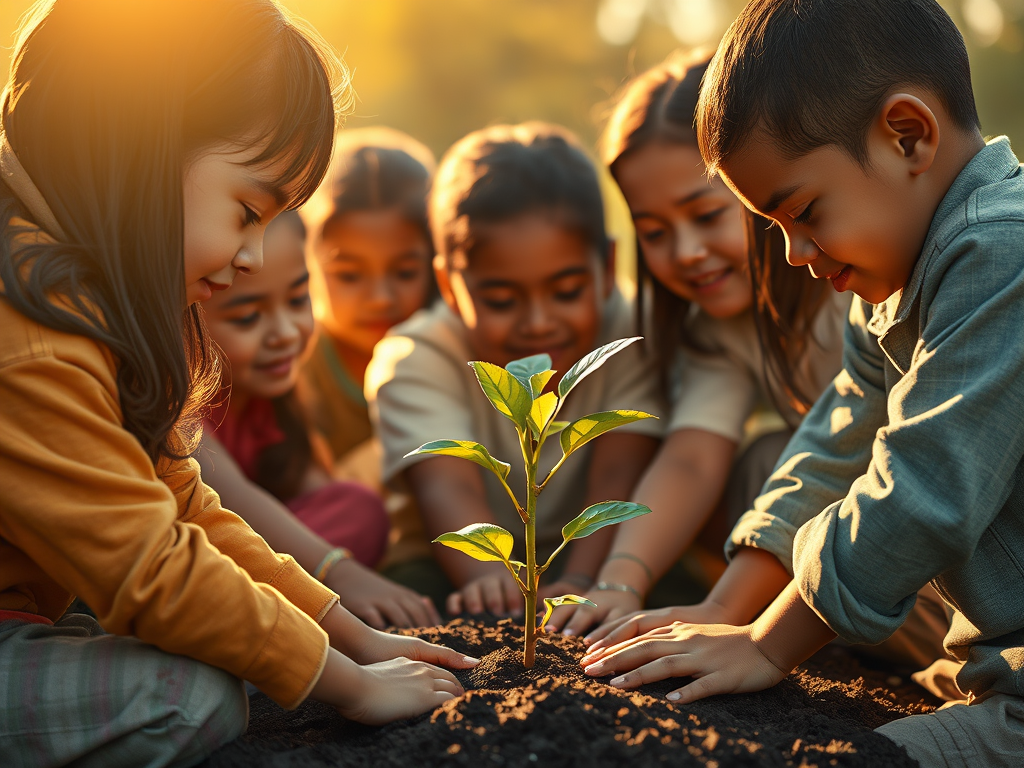
*If we fail to teach peace, we unintentionally pave the way for conflict. Below, we explore the importance of peacebuilding through five key tones—urgency, hopefulness, gentleness, inspiration, and collaboration—to underscore how vital it is to invest in this mission.
The Urgency of Peacebuilding
We live in a time where division dominates headlines and seeps into our communities. Conflicts over resources, culture, and politics create tangible and emotional rifts, leaving wounds that are difficult to heal. If we don’t intervene early, these divides extend to future generations.
Time is a precious resource in peacebuilding. Every moment we delay is a moment the seeds of discord can grow unchecked. The urgency stems not only from the conflicts we already face but from the potential to prevent future divisions. Children raised with the tools of empathy, fairness, and understanding today become tomorrow’s peacemakers.
“If we don’t teach peace, someone else will teach conflict.”
The choice is ours, and the time to act is now. By prioritizing peace-focused lessons and values from an early age, we can change the trajectory for our children—and by extension, for society.
A Hopeful and Empowering Path
While the challenges surrounding peacebuilding might seem daunting, there is reason to be immensely hopeful. Peace isn’t an unreachable ideal; on the contrary, it’s something we can build step by step. Every small action—teaching kindness, showing patience, or encouraging collaboration—adds a brick to the foundation of a more peaceful world.
Children are uniquely equipped to lead this change. Their minds are open, ready to absorb lessons that will help them approach life with care and compassion. By believing in their capacity to create change, we empower not only them but also entire communities.
“Every child that learns to listen, care, and collaborate becomes a light against the darkness of division.”
The hope lies in this truth. Raising peaceful children isn’t just doable; it’s transformational. It’s a legacy worth striving for every day.
Gentle Yet Firm Guidance
Peace doesn’t come without effort. It requires a delicate balance of nurturing guidance and firm resolve. Parents, teachers, and caretakers play pivotal roles as guides. The lessons they impart—and the examples they set—are the foundation for a child’s understanding of patience, understanding, and responsibility.
This is not a task to be taken lightly. It demands honesty and effort, but it also requires compassion—for ourselves, for our children, and for the world around us. A gentle yet firm tone ensures that these lessons resonate without overwhelming.
“Peace begins with patience and understanding—and it starts with us.”
This responsibility is a mirror for self-reflection. Are we embodying the principles we teach? Are we showing the patience we wish our children to model? Gentle guidance invites us to examine these questions as part of the process.
Drawing Inspiration for Action
Stories carry immense power in peacebuilding. Throughout history, examples of kindness, understanding, and unity have shown us what’s possible when we strive for peace. These narratives don’t just teach; they inspire us to act.
When we teach our children the power of kindness, we help them see that peace isn’t a passive state—it’s an active pursuit. Our actions, both big and small, set the tone for the culture they will carry forward.
“Teach your children the power of kindness, and watch how they shape the future.”
Think of a child who intervenes when a classmate is bullied or one who listens without judgment to someone with a different perspective. These seemingly small actions have ripple effects, influencing others and building bridges where barriers once stood.
The Power of Community and Collaboration
Peace cannot be built in isolation. It takes families, neighborhoods, and entire communities working together to create lasting change. Teaching a single child about cooperation is powerful, but weaving these lessons into the fabric of a community amplifies their impact.
When children see collaboration modeled in their homes, schools, and public spaces, they internalize it as the norm. Unity becomes second nature. Parents collaborating with educators, neighbors engaging in mutual support, and communities fostering collective goals all contribute to a culture where peace thrives.
“It takes a village to raise a peacemaker.”
Investing in these connections ensures that children grow surrounded by a support system that values understanding over division. It’s a movement that begins small but quickly extends beyond individual borders—because peace is contagious.
A Call to Action
Now more than ever, it’s time to prioritize peacebuilding. The opportunity to empower children as peacemakers is not just a dream but a necessity. It starts with small yet meaningful actions, like teaching patience, encouraging kindness, and fostering collaboration in our homes, schools, and communities.
Together, through urgency, hope, gentleness, inspiration, and collaboration, we can lay the groundwork for a brighter future. The next generation holds incredible potential to transform division into unity and conflict into understanding. But they’ll need our guidance, support, and example to get there.
The future begins now. How will you contribute to building it?
 NightingaleSea
Leave a comment