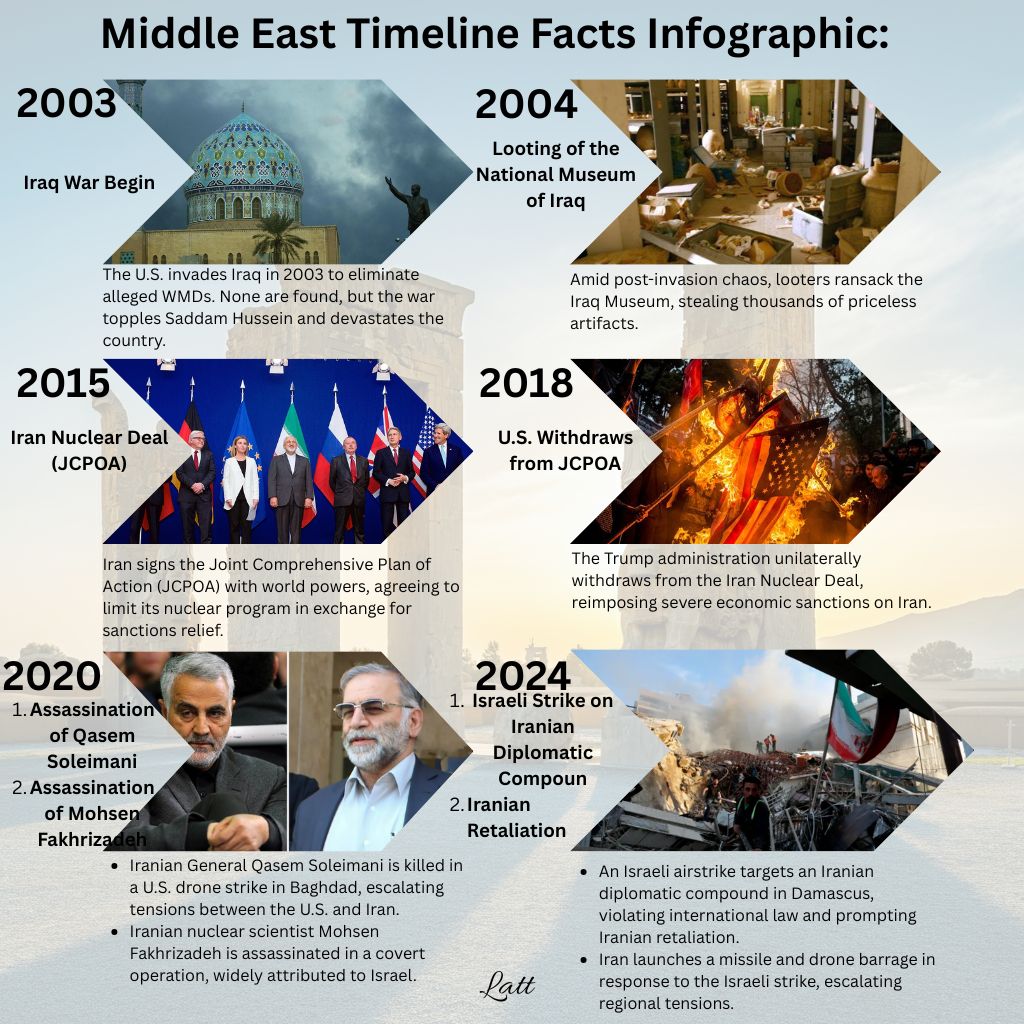
History, they say, is written by the victors, yet wisdom lies with those who listen to the silenced. Two decades ago, the world watched the fall of Baghdad unfold on live television. The U.S.-led invasion of Iraq was justified under the banner of liberation—a promise to free the Iraqi people from the shadow of weapons of mass destruction. Today, it has become painfully evident that this promise was based not on truth but on a web of false intelligence and manipulation. The aftermath was a tragedy of historic proportions.
Iraq, often referred to as the cradle of civilization, was left in ruin. An ancient land that gifted humanity its first cities, legal systems, and written words became the victim of shattered social structures, destroyed infrastructure, and the plundering of priceless cultural artifacts. Globally, many diplomats, institutions, and individuals stood silent as Iraq’s essence as a symbol of human progress was desecrated in a bid for power.
Now, similar shadows loom over Iran. This ancient civilization, with its roots in the grandeur of the Persian Empire, stands at a crossroads, cornered by international pressures, economic strangulation, and military threats. The parallels between Iraq’s tragic fate and Iran’s precarious position are striking, underscoring a distressing pattern. The question arises yet again—what does it mean for the world when the cultural and civilizational foundations of humanity are repeatedly under siege?
The Weight of Civilizational Significance
Iraq and Iran are far more than clusters of geopolitically contested territories; they represent some of the oldest threads in humanity’s shared story. Iraq, home to Sumer, Babylon, and Assyria, is where agriculture, mathematics, and written language sprouted. Iran, the land of Cyrus the Great and Persepolis, gave the world principles of governance, poetry as transcendent as that of Rumi, and influential philosophical thought through figures like Avicenna.
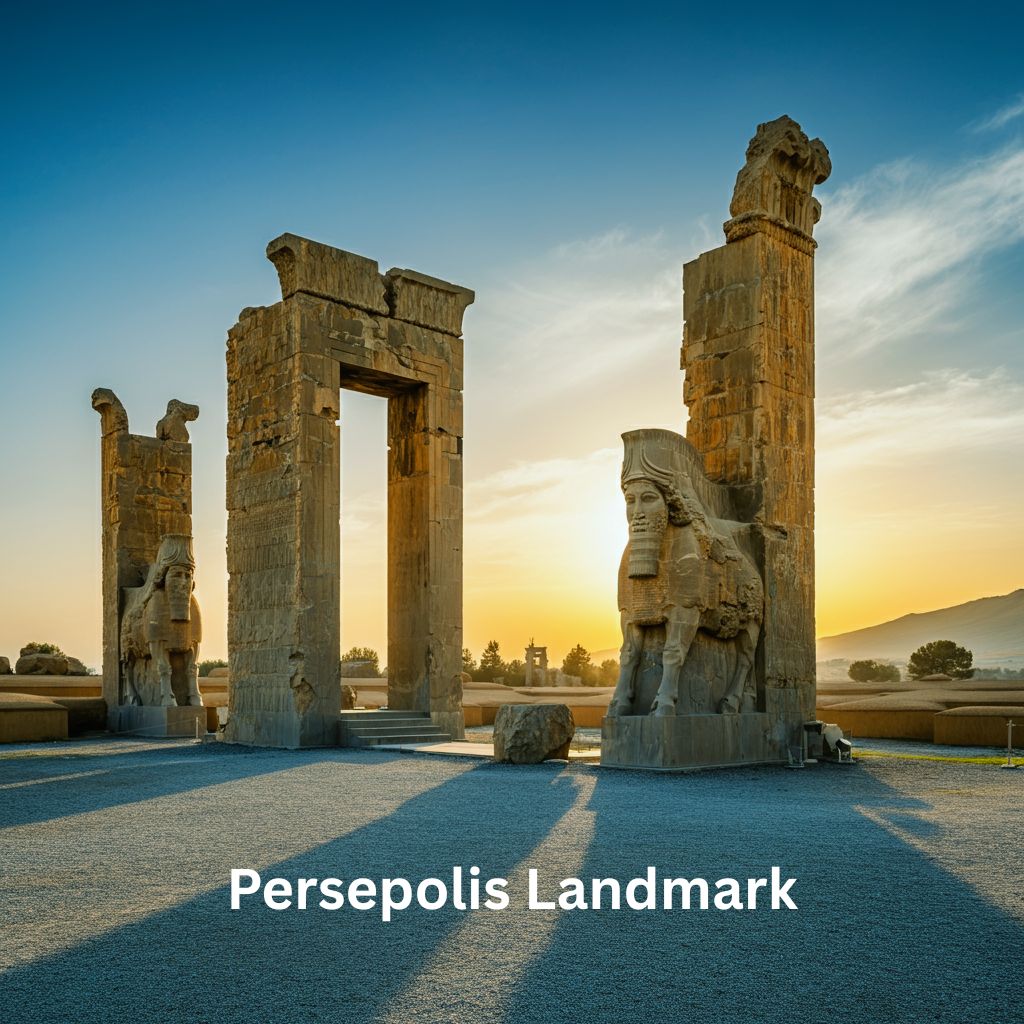
These nations are not relics of the past; they are living testaments to the richness of human achievement. Yet, as history painfully reminds us, their cultural weight has not shielded them from being reduced to battlegrounds in modern political conflicts.
Iraq’s Lessons, Iran’s Reckoning
When the dust of the invasion settled over Baghdad, the wreckage spoke louder than the rhetoric. Iraq’s economy was decimated, its people fragmented, and its cultural institutions reduced to hollow shells. Looters raided the National Museum of Iraq in the chaos following the invasion, robbing the world of irreplaceable treasures like ancient statues, pottery, and cuneiform tablets.
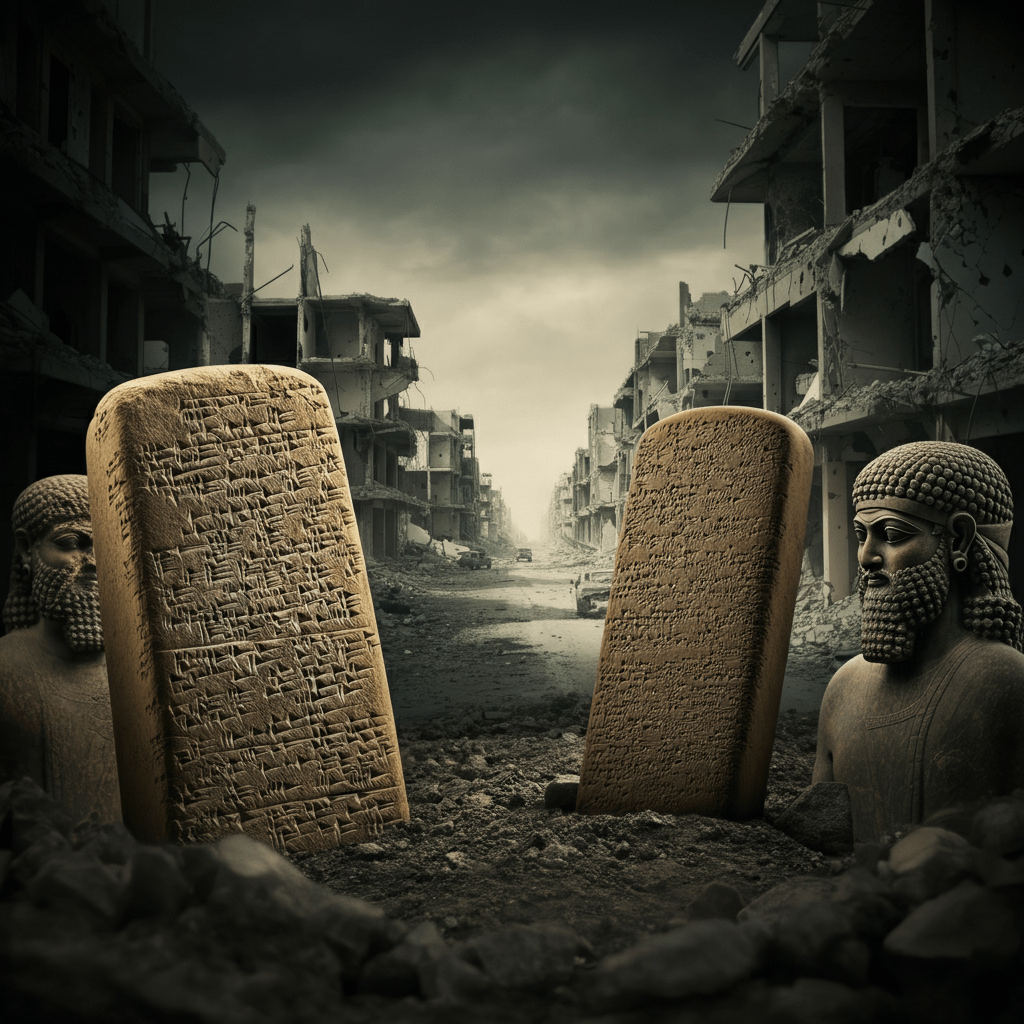
The harm extended far beyond material losses. Social and political divides deepened, sowing unrest and extremism that still ripple outward. The violent dismantling of a society so integral to the global legacy of civilization left a lingering question—has humanity learned anything from such a catastrophic loss?
For Iran, these lessons echo ominously. Since the U.S. withdrawal from the 2015 Iran Nuclear Deal, the nation has faced unprecedented economic sanctions. These measures have crippled basic industries, inflated costs for essential goods, and exacerbated hardships on Iran’s population of nearly 88 million diverse individuals. This cultural mosaic—comprised of Persians, Azeris, Kurds, Baloch, and others—faces pressures of survival beyond wars fought on the battlefield.
The strategic and covert attempts to destabilize Iran further complicate an already dire situation. From cyberattacks like the infamous Stuxnet virus to the assassination of Mohsen Fakhrizadeh, Iran’s nuclear scientist, the nation’s sovereignty is repeatedly challenged, all under the guise of maintaining global security.
The Role of Narratives in Dehumanization
Media coverage has played a pivotal role in molding public perceptions of Iraq and Iran, distorting their identities in global consciousness. Take, for instance, Iran’s retaliatory missile launches after an Israeli strike on its diplomatic compound in Damascus in April 2024. This act drew swift global condemnation, but that outrage was curiously absent when the initial, illegal act of bombing a consular facility occurred—a blatant violation of international law.
This selective framing mirrors what unfolded with Iraq, where disproportionate scrutiny and vilification erased the distinction between government regimes and the essence of a people. Iran, like Iraq before it, is portrayed as a monolithic threat—a political entity instead of a living civilization steeped in history and humanity.
By succumbing to oversimplified narratives, the world risks normalizing the dehumanization of millions and the erosion of cultures that are foundational to our collective identity.
Why Preserving Iraq and Iran Matters
The crux of this reflection is simple yet profound: Iraq and Iran are not just territories; they are roots. Roots that anchor the modern world to its beginnings. To ignore or destroy these roots is to tear the fabric of all we have collectively built as a species—our laws, our literature, and our shared understanding of what it means to be human.
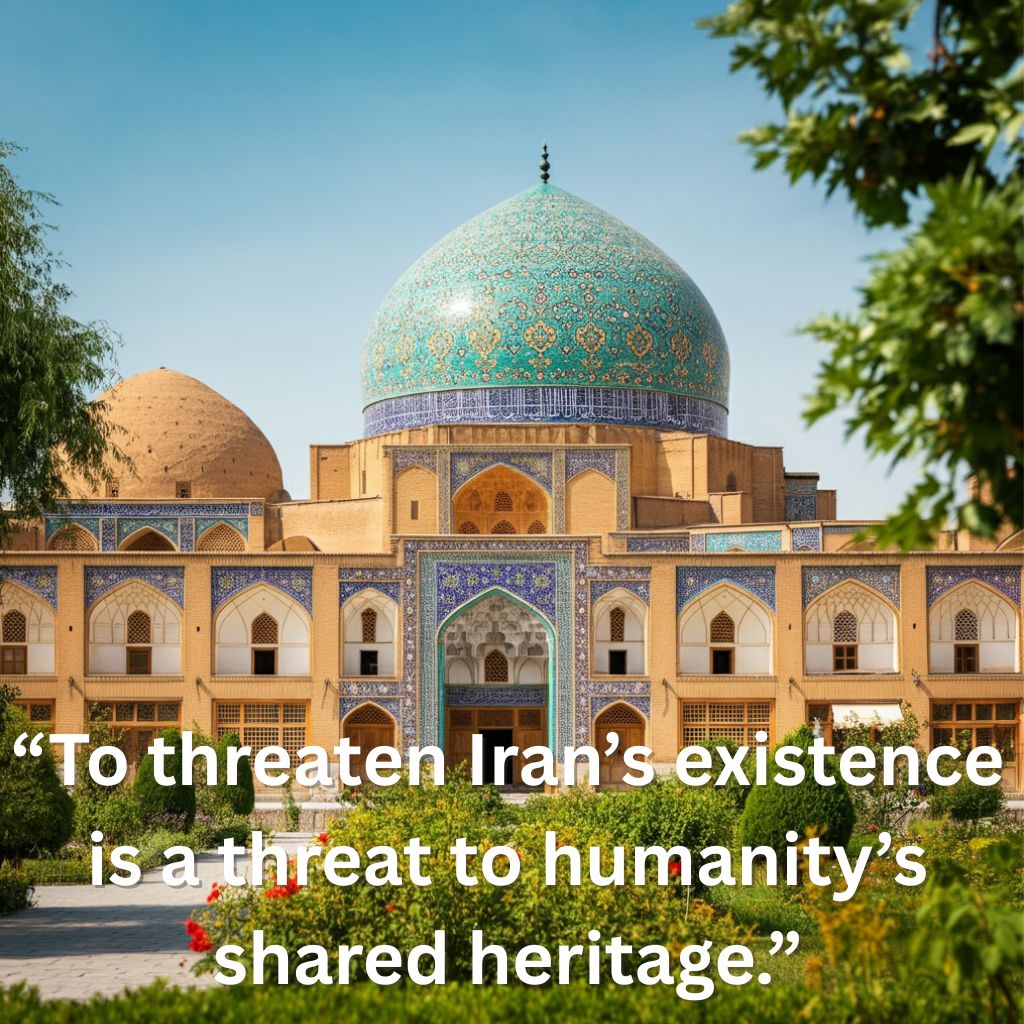
Iraq and Iran have proven their resilience time and time again. Despite devastating wars, sanctions, invasions, and isolation, both nations continue to contribute to the arts, sciences, and global discourse. Iran’s youth movements for self-expression, women’s unwavering fight for equality, and the songs, poetry, and resilience that define its essence are a testament to their enduring spirit.
Strength With Wisdom
Strength without wisdom is arrogance.
Power, when devoid of memory, paves the road to destruction. The ongoing systematic assault on the world’s early cradles of civilization is not just a regional injustice—it is a global failure. It reflects an inability to prioritize collective heritage over temporary power struggles.
The time for restraint, truth, and reconciliation must come now. It is not too late to reject cycles of hollow victory that leave rubble where brilliance once stood. It is not too late to honor the people, places, and ideas that continue to remind us of our shared potential.
We must choose peace, not as an act of generosity but as a duty to our humanity. To preserve Iraq and Iran is to preserve ourselves, remembering that the roots of civilization are vital not just to memory but to the nourishment of our future.
 NightingaleSea
Leave a comment