Peace doesn’t start with treaties or agreements. It starts with conversation. And right now, those conversations are some of the most important work happening on the planet—even if nobody’s paying attention to them.
While you’re scrolling through headlines about trade wars and military buildups, there’s something happening in luxury hotels and conference centers around the world that’s keeping us all from nuclear annihilation. And frankly, most people have no idea it’s even happening.
I’m talking about strategic dialogues—those seemingly stuffy gatherings where defense ministers in expensive suits sit around talking about “regional security architecture” and “crisis management frameworks.” Sounds boring, right? Well, boring is exactly what’s keeping the world from exploding.
The Real Action Happens in Hotel Lobbies
Here’s what actually goes down at places like the Shangri-La Dialogue in Singapore. The Shangri-La Dialogue 2025, taking place in Singapore from 30 May to 1 June 2025, will feature participation from 47 countries, with keynote addresses by French President Emmanuel Macron and Malaysia’s Prime Minister Anwar Ibrahim. Sure, you’ll see the headline-grabbing moments—US Defense Secretary Pete Hegseth going toe-to-toe with Chinese officials over Taiwan, or Estonia’s Prime Minister Kaja Kallas warning that Putin’s playbook in Ukraine could be coming to Asia next. The media eats that stuff up.
But the real magic? It’s happening in the side conversations. Picture this: the Chinese Defense Minister and the US Secretary of Defense, who just spent 30 minutes publicly disagreeing about everything, quietly grabbing coffee afterward to discuss how to avoid accidentally starting World War III over a misunderstood radar signal.
That’s not diplomatic theater—that’s crisis prevention.
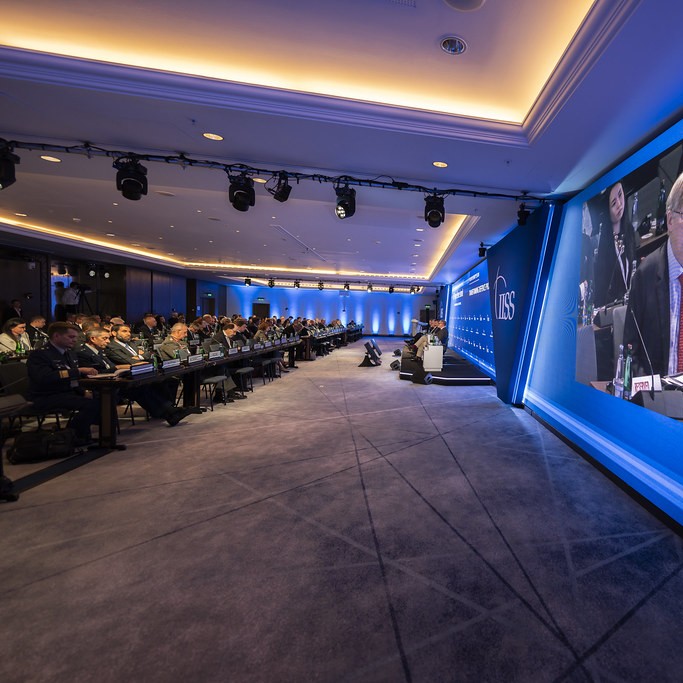
Why Singapore Gets It (And Everyone Else Should Pay Attention)
Singapore’s Defense Minister Ng Eng Hen has figured out something most countries haven’t: in a world where one tweet can trigger a international incident, having a place where people can actually talk to each other face-to-face isn’t just nice to have—it’s essential infrastructure.
The Shangri-La Dialogue, run by the International Institute for Strategic Studies since 2002 under Dr. John Chipman’s leadership, brings together defense officials from over 50 countries. But here’s the kicker: it’s not just about what happens on stage. It’s about creating space for the kind of conversations that can’t happen over secure phone lines or through diplomatic cables.
When Indonesian Defense Minister Prabowo Subianto floated a controversial peace plan for Ukraine at the 2023 dialogue—complete with demilitarized zones and UN-supervised referenda—it wasn’t just bold diplomacy. It was a middle power saying, “Hey, maybe there’s another way to think about this.”
The Global Network You’ve Never Heard Of
This isn’t just a Singapore thing. There’s an entire ecosystem of these dialogues happening around the world, and they’re all connected:
Munich Security Conference:
Where European and American officials hash out transatlantic security under Ambassador Christoph Heusgen’s leadership. When US Senators Chris Murphy and Lindsey Graham end up in the same room as Iranian officials, things can get interesting fast.
Manama Dialogue in Bahrain:
This is where Israeli and Gulf representatives have been quietly working on normalization deals long before they hit the headlines, with influential voices like Prince Turki al-Faisal of Saudi Arabia and Dr. Anwar Gargash of the UAE. Sometimes the most important diplomacy happens in conversations that never make it to the official record.
Doha Forum in Qatar:
Sheikh Mohammed bin Abdulrahman Al Thani has turned this into a platform where everyone shows up—including people who won’t talk to each other anywhere else.
Valdai Discussion Club in Russia:
Yes, Putin uses this to broadcast Moscow’s worldview. But it’s also one of the few places where Western and Russian officials still maintain any kind of dialogue.
Tana High-Level Forum on Security in Africa:
Supported by prominent figures like Olusegun Obasanjo, former President of Nigeria, addressing continent-specific challenges.
Why Face-to-Face Still Matters in the Digital Age
Here’s something that might surprise you: in an age of instant global communication, sitting in the same room with someone is more important than ever. When everything is performative and political, these dialogues offer something increasingly rare—space for actual conversation.
Trust isn’t built through press releases or carefully crafted statements. It’s built when you can see someone’s face when they’re talking about their country’s red lines. It’s built when you can hear the hesitation in their voice when they’re explaining their position. It’s built when you realize that the person you’ve been demonizing in the media is actually trying to prevent the same disasters you are.
The Conversations That Prevent Catastrophes
Let me give you a concrete example of why this matters. At the 2022 Shangri-La Dialogue, US Defense Secretary Lloyd J. Austin III and China’s former Defense Minister General Wei Fenghe were publicly at odds over Taiwan. Complete disagreement, fundamental opposition, the works.
But in their private meetings, they were able to discuss crisis management protocols. How to avoid accidental escalation. How to keep military exercises from being misinterpreted as preparations for invasion. How to maintain communication channels even when political relationships are strained.
In 2023, Estonia’s Prime Minister Kaja Kallas issued a stark warning that Russian aggression against Ukraine could have echoes in Asia—remarks that sparked honest concern and clarification about red lines in East Asia. Her words resonated with smaller states facing pressure from larger powers.
Those aren’t the conversations that make headlines, but they might be the ones that prevent them.
Building Norms and Reducing Risks
Beyond preventing miscalculation, these dialogues help shape global norms. While international law evolves slowly, these forums enable incremental norm-setting through peer discussion. Informal conversations about AI in warfare, data sovereignty, and green security have emerged from sessions at the Doha Forum and Munich Security Conference.
Leaders like Josep Borrell, the EU’s High Representative for Foreign Affairs, and Emmanuel Macron, President of France, have used these platforms to call for a multipolar world order and European strategic autonomy. These dialogues also enable backchannel diplomacy—at Munich, US officials interact with Iranian and Russian counterparts, while the Manama Dialogue has quietly facilitated Israeli-Gulf conversations.
What’s Missing From the Picture
Here’s the problem: we need more of these dialogues, not fewer. The world is getting more fragmented, tensions are rising everywhere, and the old diplomatic infrastructure is creaking under the pressure.
We need new regional formats in South Asia, where India and Pakistan can engage without the baggage of formal diplomacy. We need more platforms in Latin America, where countries can discuss everything from migration to climate change without Washington or Beijing setting the agenda. We need sustained dialogue in Africa, where debt crises and climate stress are creating new security challenges every day.
Most importantly, we need to recognize that dialogue isn’t just about preventing wars—it’s about building the kind of relationships that make cooperation possible when the next crisis hits.
The Bottom Line
Strategic dialogues like Shangri-La aren’t just elite talking shops where important people go to feel important. They’re essential infrastructure for preventing global catastrophe. In a world where miscalculation can lead to nuclear war, having places where people can talk honestly about their concerns, test ideas, and build relationships isn’t a luxury—it’s a necessity.
The next time you see a headline about “tensions rising” between major powers, remember that somewhere, probably in a conference room in Singapore or Munich or Doha, people are working to make sure those tensions don’t spiral into something none of us want to see.
Peace doesn’t start with treaties or agreements. It starts with conversation. And right now, those conversations are some of the most important work happening on the planet—even if nobody’s paying attention to them.
 NightingaleSea
Leave a comment