Everyone’s watching China. I’m watching Papua.
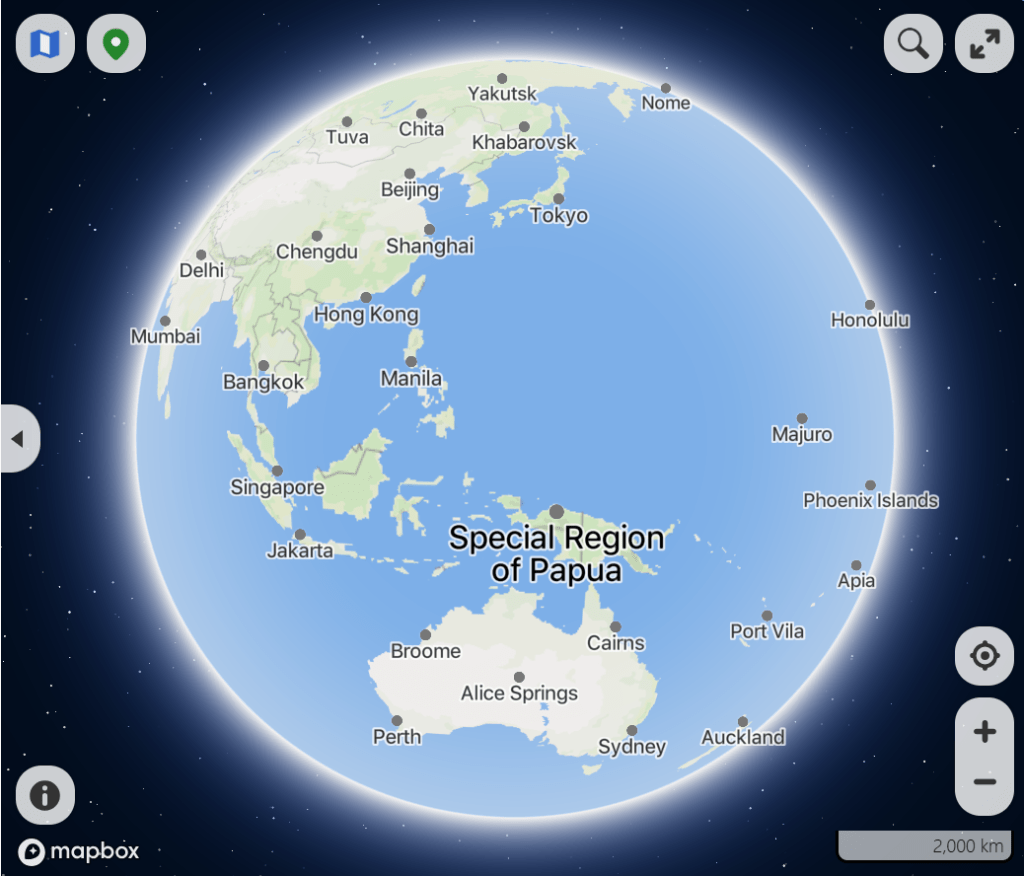
While analysts obsess over great power competition in the South China Sea, I see a different story unfolding. By 2075, Australia’s most critical partnership won’t be with Washington or Beijing—it’ll be with Papua, Indonesia’s easternmost frontier that most people can barely find on a map.
How Australia & Indonesia Partnership Imperative in a Shifting Regional Order and WHY Papua?
The Indo-Pacific, traditional measures of national success in military capability and technological advancement—are proving insufficient. Australia’s strategic future increasingly depends on its ability to forge durable regional partnerships that transcend bilateral relationships. The Australia-Indonesia axis represents the most significant opportunity to influence stability across the Asia-Pacific’s southern arc. Papua, positioned at the intersection of Southeast Asia and the Pacific, offers a unique pathway for transforming this bilateral relationship into a model for inclusive regional development.
Here’s what I see happening:
Australia’s Aging Reality (The Numbers Don’t Lie)
Australia is getting old. Fast.
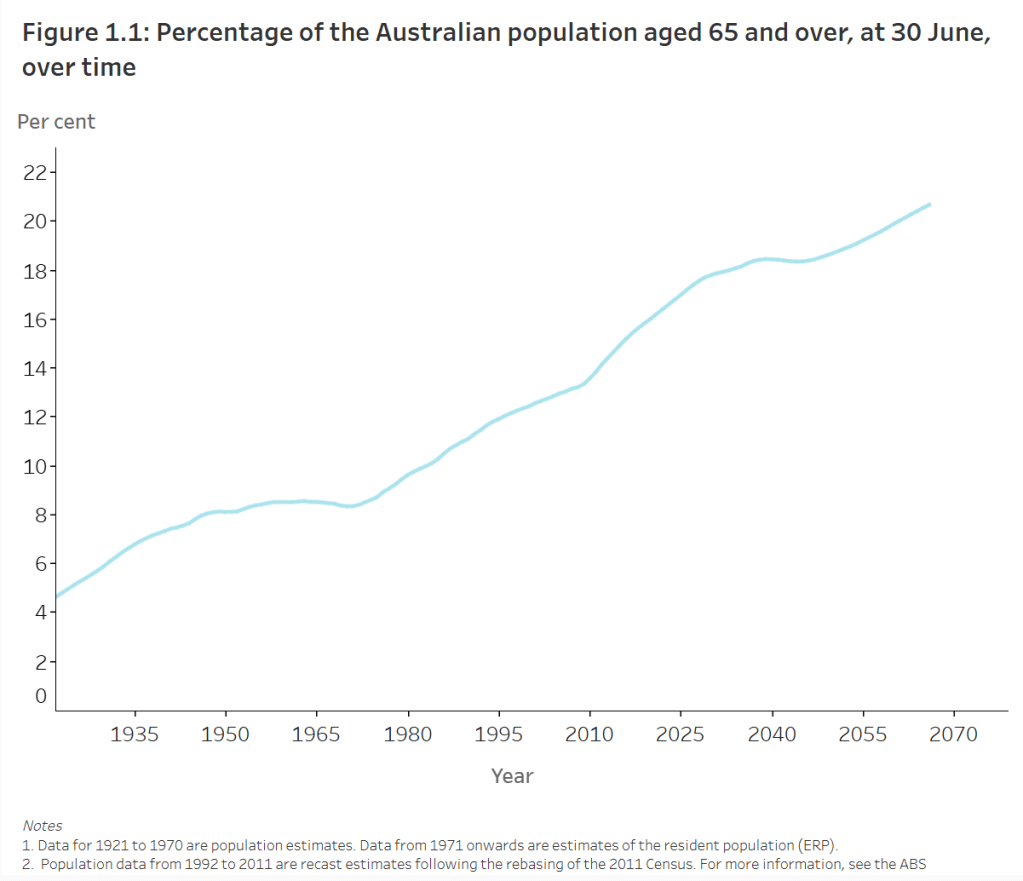
Click Australian Bureau of Statistics for more inputs.
Meanwhile, our north needs workers. Healthcare, construction, agriculture, aged care—these sectors are already stretched. In 30 years, they’ll be desperate.
The solution isn’t in Silicon Valley or London. It’s 200 kilometers across the Arafura Sea.
Indonesia’s Eastern Promises (The Demographic Dividend Everyone Ignores)
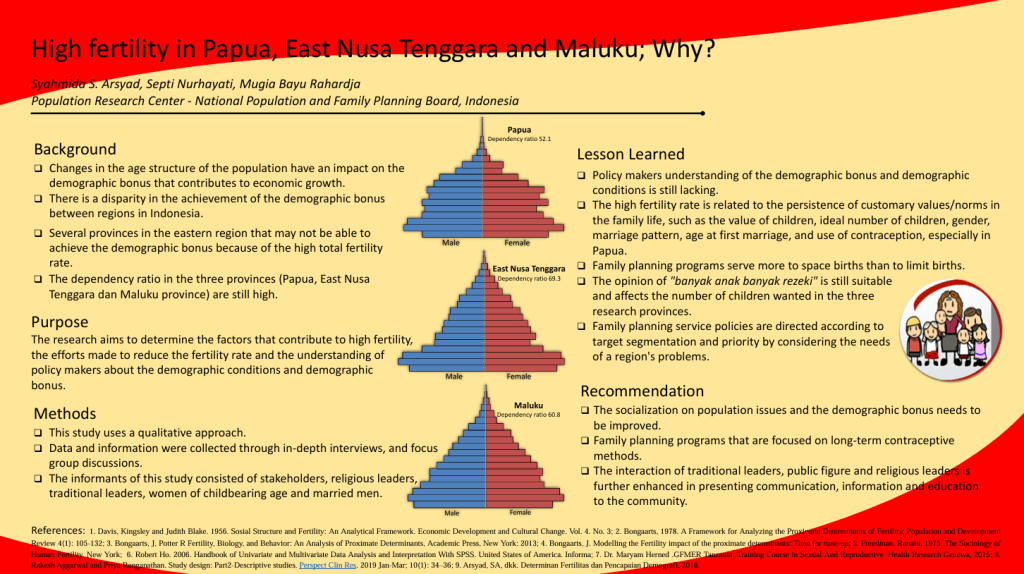
Here’s what conventional wisdom gets wrong: Indonesia isn’t just Jakarta and Java anymore. The real story is in the eastern provinces—Papua, Maluku, East Nusa Tenggara. These regions are entering their demographic sweet spot: young, growing populations with more workers than dependents.
Papua alone has what economists call a “demographic window of opportunity.” Translation: lots of young people, few elderly dependents, massive potential for economic growth.
But here’s the kicker—Papuan youth possess skills perfectly suited for northern Australia’s needs. Tropical agriculture, marine livelihoods, resource management knowledge passed down through generations. These aren’t abstract qualifications. They’re exactly what Australia’s north requires.
The Papua Pivot (From Margins to Strategic Center)
Here’s what everyone gets wrong about Papua: they see it through the old lens of “underdevelopment and conflict.” I see something completely different.
Since Indonesia implemented Special Autonomy, Papua has been quietly transforming. Infrastructure investments, educational access, local economic empowerment—the building blocks are there. Yes, Jakarta acknowledges challenges remain, but here’s what I notice: there’s a growing recognition that inclusive development rooted in cultural respect is the key.
This isn’t about imposing external solutions. It’s about recognizing Papua’s inherent strengths and building on them. While everyone debates grand strategy, Papua is becoming critical infrastructure for regional stability.
Papua sits at the intersection of Southeast Asia and the Pacific Islands. As global powers expand their Pacific presence, Papua becomes a strategic gateway, not a peripheral problem.
The Arafura Sea isn’t just water between two countries—it’s a shared resource zone. Rich fisheries, essential trade routes, marine ecosystems that don’t recognize borders. Both nations need this space stable and well-managed.
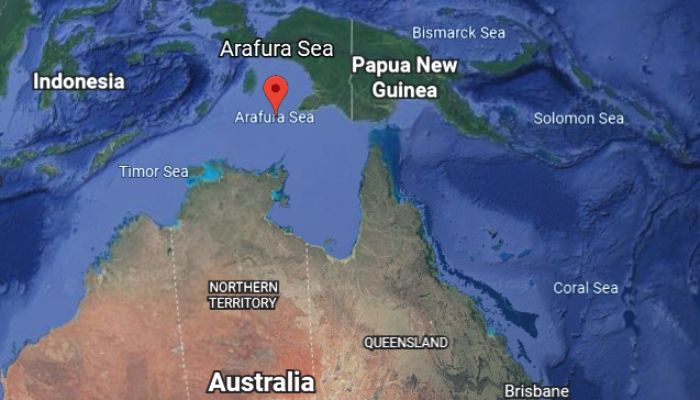
Papua sits at the intersection of Southeast Asia and the Pacific Islands. As global powers expand their Pacific presence, Papua becomes a strategic gateway, not a peripheral problem. Australia can be a genuine partner in this transformation—not by presuming to lead, but by contributing knowledge, resources, and long-term commitment to human development based on shared values.
Papua sits at the intersection of Southeast Asia and the Pacific Islands. As global powers expand their Pacific presence, Papua becomes a strategic gateway, not a peripheral problem. Australia can be a genuine partner in this transformation—not by presuming to lead, but by contributing knowledge, resources, and long-term commitment to human development based on shared values.
What I See by 2075
The convergence is inevitable. Australia needs workers. Eastern Indonesia has them. Papua sits perfectly positioned between both needs.
Think of it this way: Australia’s aging north meets Indonesia’s youthful east, with Papua as the bridge. Not just for labor mobility, but for shared maritime stewardship, regional security, and economic integration.
This isn’t speculation—it’s demographic destiny.
The Partnership Model (Beyond Aid and Trade)
Here’s my contrarian take:
the Australia-Indonesia relationship needs to evolve beyond traditional frameworks.
Not donor-recipient. Not just trade partners. True human partnership.
What does this look like practically?
- Structured training programs that prepare Papua youth for opportunities in northern Australia
- Educational exchanges that build lasting connections
- Ethical migration pathways that respect dignity while meeting labor needs
- Joint maritime management of the Arafura Sea
- Shared infrastructure investment that benefits both sides
The key insight: this must be community-driven, not imposed from Canberra or Jakarta. Papua’s diverse voices need to lead their own development story.
Why This Matters Now
Global powers are circling the Pacific. Supply chains are fragmenting. Climate change is reshaping maritime geography. In this context, stable, trusted partnerships between neighbors become strategic assets.
Papua offers Australia something no other region can: proximity, demographic compatibility, and shared stakes in regional stability. For Indonesia, northern Australia provides markets, expertise, and partnership in managing the challenges of eastern development.
The Mindset Shift
Stop thinking about Papua as a “problem to solve.” Start seeing it as a “partnership to build.”
The old lens focuses on challenges—development gaps, political tensions, capacity constraints. The new lens sees opportunity—youthful populations, natural resources, strategic location, cultural diversity as strength.
This mindset shift changes everything. Instead of aid programs, we build exchange programs. Instead of managing problems, we invest in potential. Instead of distant diplomacy, we create human connections.
My Prediction
By 2040, Papua will be Australia’s most discussed bilateral relationship. By 2050, Papuan-Australian partnerships will be standard in northern Australia’s key sectors. By 2075, this relationship will be so integrated that historians will wonder why it took so long to develop.
The signs are already there. Jakarta is investing heavily in eastern infrastructure. Australian businesses are looking north for workers. Climate change is making northern Australia more strategically important.
The question isn’t whether this partnership will develop—it’s whether we’ll be smart enough to shape it properly.
Geography as Bridge, Not Barrier
Here’s my signature insight: in an age of digital connectivity and climate adaptation, physical proximity matters more, not less. The Arafura Sea that separates Australia and Papua is actually connecting them through shared challenges and complementary strengths.
While others build walls, smart nations build bridges. The Australia-Papua bridge is already under construction—it’s just happening quietly, one partnership at a time.
The future belongs to regions that can turn geographic proximity into human connectivity. Australia and Papua, with Indonesia as the essential partner, are perfectly positioned to show the world how this works.
Time to start paying attention.
 NightingaleSea
Leave a comment