When headlines announce that a fighter jet has been shot down or a missile has struck a city, the world reacts. News outlets scramble for details, experts debate geopolitical consequences, and governments issue stern statements or calls for restraint. But amid all the analysis, one thing is often overlooked: the real lives affected. Behind every military maneuver or airstrike is a trail of emotional devastation that reaches deep into homes, hearts, and communities.
War, by its nature, dehumanizes. It turns people into symbols—pilots into statistics, civilians into collateral, and families into footnotes. Yet war does not stop when the weapons fall silent. It continues in the silence of a kitchen where someone never comes home. It continues in the hospital where a child tries to understand why their legs are gone. It continues in the questions that will never be answered, in the photographs no one can bring themselves to take down.
The Families Who Wait and the Families Who Lose
When a country confirms that one of its pilots has been shot down, like when Pakistan downed an Indian pilot or in countless similar incidents around the world, the immediate concern tends to be diplomatic fallout or military response. But somewhere, in a town or city, a family is watching that same headline with fear in their eyes. That pilot isn’t just a symbol of national pride. They are someone’s son or daughter, someone’s partner, someone’s parent.
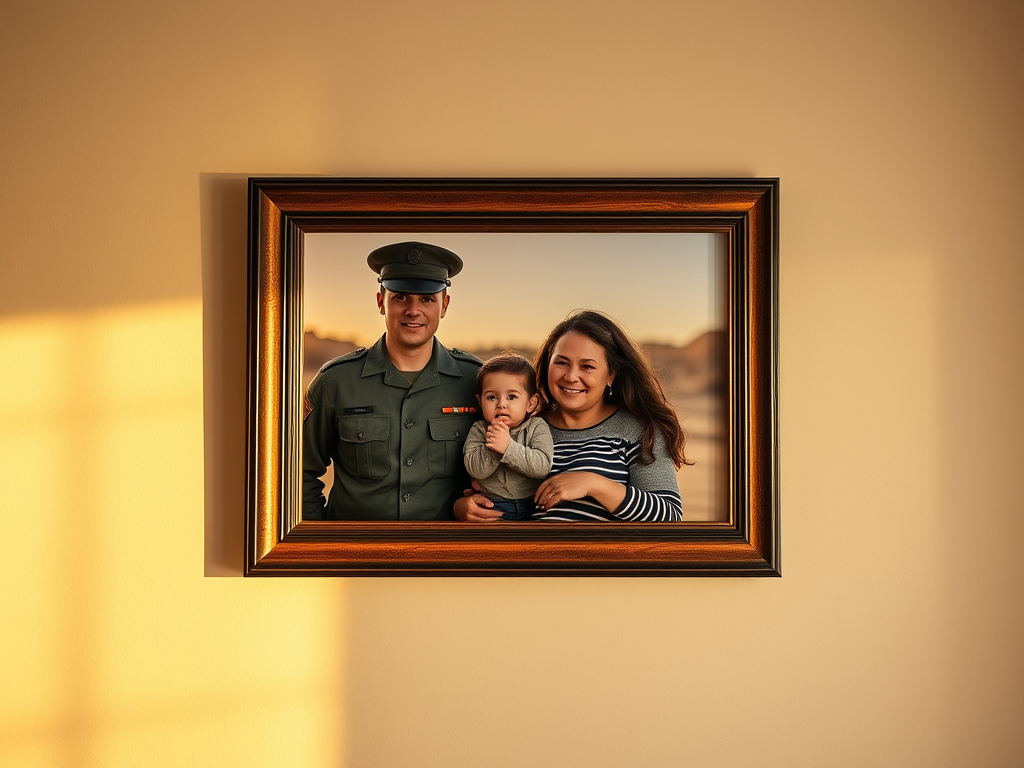
For these families, the psychological impact is immense. Researchers studying military families have identified patterns of ambiguous loss—a form of grief that occurs when a loved one is missing or presumed dead but without closure. The family is trapped between hope and despair, unable to mourn, but unable to move on. This psychological limbo can lead to prolonged grief disorder, depression, anxiety, and in some cases, PTSD-like symptoms in those left behind.
The Untold Trauma of Civilians
And then there are the civilians—those who never signed up to fight, who had no political motive, who simply went to sleep and woke up to the sound of war. A missile doesn’t ask whether the people it strikes believe in the cause. A bomb does not discriminate between soldier and child. In conflicts such as those in Ukraine, Gaza, Syria, and Sudan, we see time and again how quickly normal life turns into a nightmare for civilians.
According to the World Health Organization, nearly one in five people living in conflict zones suffer from mental health disorders, including depression, post-traumatic stress, and severe anxiety. This means that even after the headlines move on, entire generations continue to live with invisible scars. Children stop speaking. Adults cannot sleep. Communities become fractured by trauma that therapy may never fully repair.
Selective Empathy in War
A troubling aspect of modern conflict is how we emotionally divide victims. If the soldier is “ours,” we grieve. If the civilian is “theirs,” we often justify. Governments do this. Media does this. Sometimes, we do this without even noticing.
This dehumanization is dangerous. It turns empathy into a selective privilege. But if you’ve ever lost someone suddenly, you know that pain doesn’t wear a uniform. It’s universal. The mother of a fallen pilot in India and the mother of a child killed in a border village in Pakistan may be on opposite sides of a line on a map, but they are connected by the same unimaginable grief.
We must begin to see these families not as “others,” but as versions of ourselves. People with birthdays, favorite songs, private jokes. People who expected tomorrow to come.
The Psychological Toll of War
War affects more than the battlefield. It changes the psychology of entire populations. Soldiers may return with PTSD, but so do civilians. Families of soldiers are at risk of secondary trauma, especially when their loved ones are deployed in repeated or dangerous missions. This emotional strain affects not only marriages and parent-child relationships but also long-term health outcomes, including higher rates of substance abuse and suicide in affected families.
In Israel, studies show that children growing up in conflict zones are at risk of developing long-term anxiety disorders. In Ukraine, mental health clinics have seen a spike in civilians—especially women and children—reporting symptoms of trauma. In Myanmar, displaced families have reported extreme psychological distress due to ongoing military violence and loss of home and identity.
No one escapes unhurt. Not really.
How Do We Begin to Heal?
Healing begins with recognition. We must first acknowledge the humanity and the grief on all sides. Every person who has lost someone to war—whether in uniform or in a civilian home—deserves to be seen, to be heard, and to be supported.
At the individual level, healing can start with storytelling. Families should be encouraged to share their memories, their fears, and their hopes. Speaking grief aloud, through conversation, writing, or creative expression, helps the brain and heart begin to process trauma. In many post-conflict zones, community-based storytelling circles have proven effective in restoring emotional safety and dignity.
Mental health support is also essential. Governments and international aid groups must prioritize trauma therapy as part of their response to conflict. This means more than just emergency hotlines. It means long-term counseling, access to psychologists who understand cultural contexts, and peer support systems within affected communities. Schools must train teachers to recognize the signs of trauma in children, and workplaces must provide flexibility and care for grieving employees.
Spiritual and cultural traditions can also play a role in healing. For some, rituals of mourning and remembrance—lighting a candle, saying a prayer, planting a tree—bring comfort and meaning. These acts, while symbolic, provide a structured way to honor the dead and begin to integrate loss into daily life.
For the broader society, healing must include a shift in how we view war. Media must tell the stories of civilian and enemy losses with the same depth and compassion as those of our own troops. Education systems must teach empathy, not only nationalism. Public memorials should recognize not just the fallen heroes, but all who have suffered—regardless of which side they were on.
Reflection Is Part of Healing
Reflection is not weakness. It is strength. It allows us to pause, to look at the damage we’ve caused or allowed, and to decide how to do better. In a world where anger is easy and retaliation is rewarded, reflection is a radical act.
It asks us uncomfortable questions: Who did we ignore? Who have we dehumanized? Who did we fail to protect? And then it asks us what we’re going to do next.
Healing does not mean forgetting. It means carrying the memory of pain forward in a way that makes us more compassionate, not more vengeful. It means working for peace not just with ceasefires, but with care—for the grieving, the wounded, and those who simply miss someone who never came home.
Conclusion: The Work of Repair
War will not end tomorrow. But the way we respond to its consequences can change now.
We can begin by recognizing the full cost—not just in destroyed buildings or lost territory, but in broken families and invisible wounds. We can choose to comfort the ones who wait and the ones who weep, no matter where they come from.
We can repair—not everything, but enough to make a difference. Enough to tell those left behind: you are not forgotten.
Because peace, in the end, is not just the silence of guns. It is the presence of healing. And that is something we can build together, one act of compassion at a time.
 NightingaleSea
Leave a comment