Imagine this: the ASEAN Summit opens in Jakarta or Vientiane, not just with formal speeches and ceremonial greetings, but with a reminder from Big Bird about standing tall for others. Elmo, with his wide-eyed wonder and endless curiosity, skips around asking leaders questions like, “Why are we still fighting over fish when we could be sharing recipes?” And Oscar the Grouch, in his usual corner, grumbles about trade disputes, but even he listens when someone says, “I hear you, Oscar. Let’s figure it out.”
What ASEAN Leaders Can Learn About Peace from Puppets, Personalities and a Sunny Day
Leadership often demands looking for wisdom in unexpected places. What if one of the most effective models for global leadership was right before us all along – in the form of a sunny street where monsters, birds, and grouches coexist peacefully? Sesame Street has not only captivated audiences for over 50 years; it has also quietly taught profound lessons in harmony, collaboration, and respect that leaders across the world can learn from.
Why Look to Sesame Street for Leadership Inspiration?
Sesame Street isn’t just a children’s program; it’s a masterclass in emotional intelligence and deep understanding of human connection. These values resonate strongly with leadership principles, especially in the realm of diplomacy and international cooperation.
The show provides timeless lessons, including:
- Kindness as a Catalyst: Genuine care and compassion go a long way, as Sesame Street’s characters show.
- Listening Before Leading: Characters resolve conflicts not by shouting over one another but through listening and working together.
- Inclusivity Strengthens Unity: The street thrives because everyone belongs, regardless of quirks or differences.
The show’s genius lies in teaching complex values with simplicity, humor, and heart. This same approach can inspire both policy-making and peace-building.
The Peaceful Coexistence Model
A key takeaway from Sesame Street that can align with global governance is what we might call the Peaceful Coexistence Model. This model isn’t just about avoiding conflicts; it’s about creating conditions where cooperation naturally thrives. Here’s how Sesame Street embodies this framework:
- Respecting Differences: Characters on the street, whether a grouch in a trash can or a giant yellow bird, respect (and often celebrate) what makes them different.
- Managing Conflict with Compassion: Conflicts arise often, but they’re resolved through open communication and understanding.
- Shared Goals for the Neighborhood: Everyone on Sesame Street works towards creating a happy, supportive place to live.
Global leaders could draw on these principles to achieve peaceful coexistence not only among nations but also within diverse communities.
What Global Leaders Can Learn From Sesame Street
1. Build trust through consistent communication
Trust is the foundation of a cohesive community on Sesame Street. Characters communicate openly and check in on each other regularly. For leaders, this translates into transparency and regular dialogue with their counterparts on the global stage.
Consider ASEAN (the Association of Southeast Asian Nations), which is a grouping of nations with diverse cultures and political priorities. By investing more in public storytelling or platforms for open conversations, ASEAN could foster even greater mutual understanding among its members.
2. Transform diversity into strength
Sesame Street thrives because of its diverse cast of characters. The grouchy Oscar, despite his complaints, plays a vital role in reflecting different perspectives, while characters like Big Bird bring optimism and stability.
World leaders must recognize the power of diversity and include multiple voices in decision-making processes. This principle applies within nations (ensuring representation for minority groups) and across nations (taking into account the varied needs of members in global organizations like the United Nations).
3. Solve problems by focusing on shared goals
When Cookie Monster runs out of cookies, the entire Sesame Street community pitches in to come up with creative solutions. This is cooperation in action.
Similarly, resolving global problems like climate change or public health crises requires collaborative solutions. Instead of zero-sum competitions, leaders must invest in partnerships and shared innovation. For example, international agreements like the Paris Climate Accord are a step toward fostering cooperation for shared goals.
World Leadership Meets Sesame Street Characters
To illustrate these lessons further, we can match some of the most iconic global leaders with Sesame Street characters. Though light hearted, these comparisons underline the human qualities that are essential for impactful leadership.

Take Lee Kuan Yew, the founding Prime Minister of Singapore. Like Kermit the Frog, Lee was the calm, articulate center of a storm of personalities. He brought order, vision, and discipline to a region full of uncertainty. He spoke with clarity and purpose, and like Kermit running the Muppet Show, he managed to keep the show going, no matter the chaos backstage.
President Joko Widodo of Indonesia, known for his humble style and connection to the people, might be best reflected in Elmo. Curious, down-to-earth, and always smiling, Jokowi—like Elmo—connects across divides, whether it’s urban and rural, traditional and modern, or political and popular.

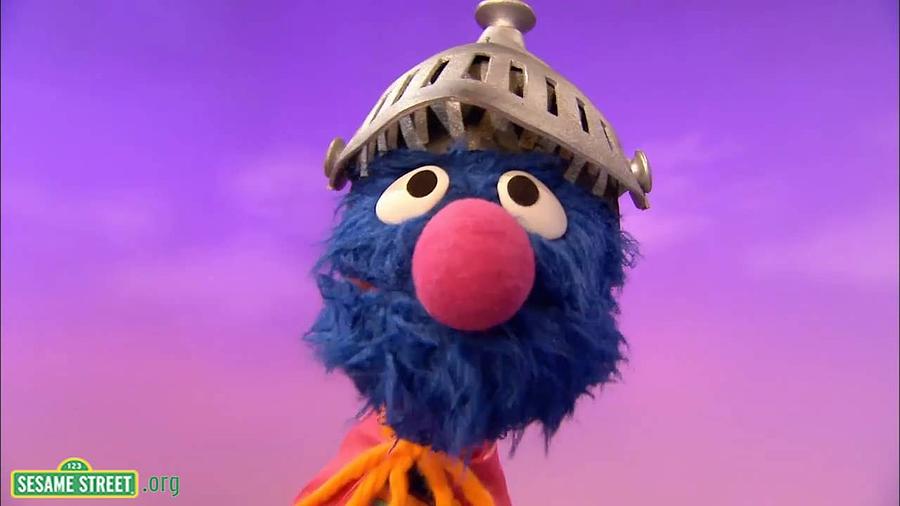
Tun Dr. Mahathir Mohamad of Malaysia, with his long career, unexpected comebacks, and sharp remarks, could easily take on the role of Grover—eager, determined, sometimes chaotic, but never out of energy. Grover’s missteps often lead to unexpected insights—much like Mahathir’s second return to politics that reshaped Malaysia’s landscape.
The late King Bhumibol Adulyadej of Thailand, deeply revered for his lifelong dedication to peace and unity, resembles Big Bird—a gentle giant, always watching over the neighborhood, steady and soft-spoken, but full of wisdom.


Aung San Suu Kyi, whose legacy is complicated but began as a powerful symbol of peaceful resistance, could be compared to Bert—principled, serious, structured, yet capable of tenderness when the walls come down. Her journey reminds us that peace must be continuously nurtured, not just won.
President Ferdinand Marcos Jr., navigating legacy and reform, might find common ground with Ernie—cheerful, unpredictable, and trying to balance tradition with change. And in the background, Oscar the Grouch could be played by any diplomat stuck in a marathon trade negotiation about rice tariffs—grumpy, sure, but still part of the conversation.

The Serious Role of Playful Lessons
These character comparisons are just a fun lens for thinking about leadership, but there’s a profound truth underlying them. Effective leadership isn’t rooted solely in strategy or policy. It’s about human connection, empathy, and creating space for collaboration. Sesame Street reminds us of that every day.
How Leaders Can Apply the Lessons of Sesame Street
Implementation of Sesame Street’s values may not require puppets or theme songs, but it does involve a commitment to openness and mutual understanding.
Here are some actionable ways leaders could adapt the principles of Sesame Street to international or local governance:
- Cultural Programs for Youth: Launch initiatives that bring young people together across countries, teaching them about shared humanity through storytelling, art, and music inspired by Sesame Street.
- Global Leadership Retreats: Imagine a session where world leaders explore playful teamwork exercises designed to rebuild trust. Sometimes, even the most serious minds need encouragement to tap into their creative problem-solving skills.
- Media for Peace: Develop media similar to Sesame Street but targeted to adults, showcasing how collaboration builds stronger, more inclusive societies.
What the World Can Learn From Sesame Street
Like the residents of Sesame Street, global communities yearn for places where they can feel safe, respected, and valued. Whether through diplomacy, cultural exchange, or simply treating others with kindness, leaders have the power to create such spaces.
The path forward for leadership doesn’t always require complexity or formality. Sometimes, the answers lie in keeping things simple. Sometimes, peace begins with a puppet… or a sunny day.
 NightingaleSea
Leave a comment