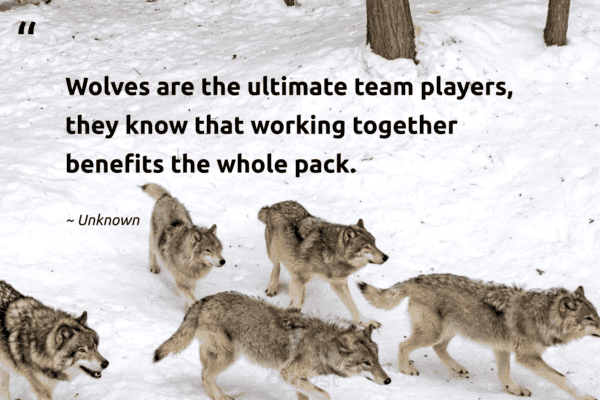
“For the strength of the Pack is the Wolf, and the strength of the Wolf is the Pack.”
Kipling’s words are more than poetic
—they encapsulate a truth we must act upon. Education is not just the transfer of knowledge; it is the foundation of justice, the catalyst for equity, and the gateway to collective progress. Every classroom is a microcosm of society, shaping the next generation’s ability to understand, connect, and create change.
As educators, we are not merely instructors—we are advocates for fairness, inclusion, and empowerment. We have a responsibility to ensure that every child, especially those in the most disadvantaged communities, has the opportunity to thrive. The time for passive teaching has long passed. The time for intentional, transformative action is now.
Strength in Community: The Values That Must Drive Our Work
The concept of the human “pack” speaks to the interconnectedness of students, educators, and communities. To reshape education into a true force for equity, we must embed the following values into our teaching and daily practices:
- Interdependence:
We must teach students that their successes and struggles are shared—that no one truly thrives in isolation. Every child’s well-being is tied to the strength of the community. - Unity in Diversity:
Instead of allowing differences to divide us, we must teach that diversity strengthens the whole. Representation, inclusion, and active celebration of varied perspectives must be non-negotiable in education. - Mutual Respect and Cooperation:
A fair society is built not through individual striving, but through collaboration. The classroom must be a place where cooperation is modeled, practiced, and lived. - Collective Responsibility:
Equity cannot happen without action. We must instill a sense of duty in every student—an awareness that social justice is not someone else’s fight, but all of ours. - Thoughtful Problem-Solving:
The world needs critical thinkers who act with empathy. We must equip students to challenge injustice, innovate solutions, and lead progress.
Without these values, education fails not only the students but the future we are building. We must rise to this challenge, not tomorrow, but today.
Turning Advocacy Into Action: What Educators Must Do
The time for theory is over—this movement must be lived. Here’s how we ensure that these values are transformed into daily classroom practice and real-world empowerment:
1. Teaching Interdependence Through Experiential Learning
- Show interconnectedness through projects:
Create immersive initiatives that connect global issues with local realities—climate change, public health, poverty—to demonstrate how our actions impact communities worldwide. - Encourage peer-driven learning:
Classroom collaboration must reflect the real world. Peer tutoring, mentorship, and community-based group initiatives teach students the power of supporting one another. - Establish direct partnerships between schools:
Cross-socioeconomic learning initiatives break down barriers and build mutual understanding between students from vastly different backgrounds.
2. Fostering Unity in Diversity Through Representation
- Transform curricula to be truly inclusive:
We must reject outdated, biased narratives and ensure that the literature, history, and materials we teach accurately reflect all communities, not just the privileged few. - Empower students to tell their own stories:
Students must be given platforms to share their cultures, experiences, and perspectives in ways that foster appreciation and belonging. - Make participation fully equitable:
Classroom decision-making must be inclusive, ensuring that voices historically marginalized are centered and heard.
3. Promoting Mutual Respect and Cooperation Through Meaningful Engagement
- Engage in partnership-based service-learning:
Not charity—collaboration. Teaching students to work alongside community members fosters lasting relationships instead of temporary interventions. - Adopt restorative justice methods:
Instead of punitive discipline, we must teach resolution through dialogue, understanding, and accountability. - Lead real-world problem-solving exercises:
Give students the opportunity to practice negotiation, advocacy, and systemic solution-building through simulations of resource distribution, conflict resolution, and ethical leadership.
4. Instilling Collective Responsibility Through Advocacy Projects
- Empower students as real-world activists:
Assign long-term projects focused on environmental justice, children’s rights, or civic engagement to instill a lifelong commitment to meaningful action.
Esp: “Guardians of Tomorrow” projects focused on protecting the environment or advocating for children’s rights around the world. Connect these projects to global initiatives like the UN Sustainable Development Goals, helping students see themselves as active participants in a global movement for a better future. - Guide students in analyzing systemic inequity:
Facilitate discussions on economic disparity, historical injustice, and policies that perpetuate exclusion. Give students the tools to deconstruct oppression—not just witness it. - Ensure that student-driven initiatives create lasting impact:
Fundraising efforts should be rooted in research, selecting community-led organizations rather than generic aid groups. This is about empowerment, not saviorism.
5. Developing Thoughtful Problem-Solving Through Innovation
- Implement design thinking principles:
Students must learn to identify social challenges (local or globally), develop sustainable solutions, and refine their ideas based on real-world needs. - Host ‘Future Forums’ where students strategize for justice:
Create spaces for students to imagine and actively plan for a fairer, more sustainable future—and take steps toward achieving it. - Prioritize sustainable and ethical problem-solving:
Ensure that every solution students propose is rooted in long-term equity, not temporary fixes.
Educators Are Advocates—This Is Our Call to Action
Education is not neutral. If we do not actively instill equity, justice, and empowerment in our students, we are complicit in the inequalities that persist.
Every educator must ask:
- Am I teaching students to recognize their collective strength?
- Am I ensuring that equity is not just discussed, but lived in my classroom?
- Am I preparing students not just to succeed in academics, but to lead social progress?
We do not simply impart knowledge—we shape the future. If we fail to teach interdependence, if we fail to model justice, if we fail to make classrooms sites of advocacy—we fail the generations to come.
The strength of the Wolf is the Pack, and the strength of the Pack is the Wolf. Every student deserves to know their power. Every classroom must become a force for change.
#StrengthInUnity
#TogetherWeThrive
#InterdependenceMatters
#PackMentality
#LawOfTheJungle
 NightingaleSea
Leave a comment