Throughout history, the control of information has played a crucial role in shaping alliances, guiding nations, and influencing global stability. As the world evolves into a more multipolar system, the distribution and accessibility of information become even more vital in fostering cooperation and understanding among nations. A closer look at the relationship between intelligence sharing, media influence, and geopolitical decision-making provides insight into how global actors navigate these complexities.
The Role of Information in Shaping Perceptions
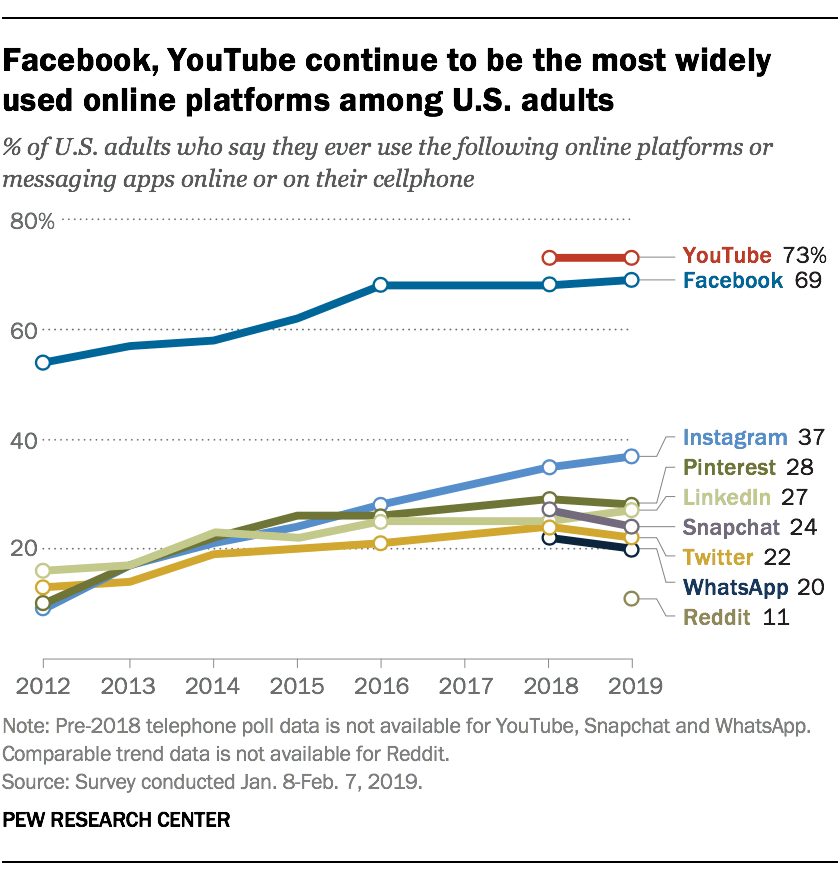
The ability to influence narratives through media and strategic intelligence has long been a defining factor in global affairs. A 2019 Pew Research Center study highlighted that 67% of Americans consume news through social media, demonstrating the power of digital platforms in shaping public perception (Pew Research Center, 2019). This trend extends beyond the United States, affecting global discussions and policymaking in ways that underscore the significance of responsible information-sharing.
Collaboration in Intelligence and Decision-Making
Many nations rely on intelligence partnerships to guide their strategic decisions, ensuring collective security and informed policymaking. A 2021 RAND Corporation report noted the close cooperation within NATO forces, where shared intelligence strengthens collaborative military operations. European nations and India have often made decisions based on assessments provided by allies, illustrating the interconnected nature of global security strategies (European Parliament, 2022; The Diplomat, 2023).
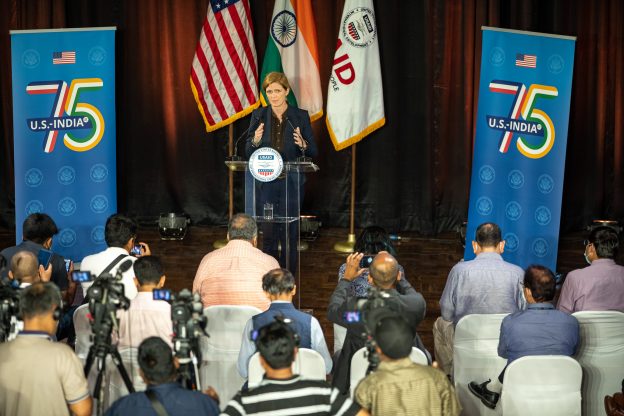
USAID Administrator Samatha Power speaks during a visit to india, July 27, 2022.
Information’s Role in International Conflicts
Historical records show that intelligence assessments have played key roles in shaping military responses. For example, during the Syrian conflict, EU member states participated in military actions following intelligence assessments regarding chemical weapons use (European Parliament, 2022). These instances highlight the importance of reliable and verified information in maintaining international stability and ensuring diplomatic resolutions whenever possible.
Navigating Misinformation and Disinformation
The modern era has witnessed challenges related to misinformation, where narratives can be shaped or manipulated to serve various interests. A 2020 Oxford Internet Institute study found that disinformation campaigns have impacted political perceptions globally, underscoring the necessity for independent verification of sources. The U.S. Department of Defense’s 2018 National Defense Strategy further emphasized information superiority as a key pillar in contemporary conflict, demonstrating how knowledge has become an essential factor in national security.
Encouraging Open Access to Information
Freedom of information and balanced reporting contribute to democratic engagement and informed decision-making. According to Freedom House’s 2021 Freedom on the Net report, societies where information is freely accessible often experience higher civic participation and open discussions that strengthen democratic institutions. Meanwhile, a 2020 Digital Media Project survey found that 53% of Europeans rely on social media for political news, reinforcing the need for digital platforms to maintain integrity and accuracy in their content.
Building a Future of Transparent Information Sharing
In an increasingly interconnected world, independent and transparent information-sharing is key to fostering peace and mutual understanding. A 2022 International Institute for Democracy and Electoral Assistance (IDEA) report highlighted how access to verified information contributes to stability, cooperation, and diplomatic progress among nations. Ensuring diverse perspectives and open communication allows societies to navigate global challenges through thoughtful engagement rather than division.
Conclusion
History shows that the responsible handling of information shapes global stability. In this era of multipolarity, fostering open dialogue, transparency, and collaboration is essential for peaceful coexistence. As nations work together to navigate intelligence-sharing and media influence, the focus must remain on understanding different perspectives, ensuring accuracy, and upholding the principles of mutual respect in global affairs.
| Media Influence | Pew Research Center (2019) – Study on news consumption via social media in the U.S |
| U.S. Global Dominance in Information: | Reporters Without Borders (2020) – World Press Freedom Index ranking the U.S. media infrastructure |
| Dependency on U.S. Intelligence | RAND Corporation (2021) – Report on NATO forces’ interoperability and reliance on U.S. intelligence. |
| Syria Conflict | European Parliament (2022) – Report on EU military actions in Syria based on U.S. intelligence assessments. |
| India’s Strategic Decisions | The Diplomat (2023) – Analysis of India’s foreign policy alignment with U.S. interests. |
| Disinformation Campaigns | Oxford Internet Institute (2020) – Study on disinformation campaigns from authoritarian regimes. |
| Asymmetric Information Warfare | U.S. Department of Defense (2018) – National Defense Strategy emphasizing information superiority. |
| Censorship and Control | Freedom House (2021) – Freedom on the Net report on censorship and political stability. |
| Social Media’s Role | Digital Media Project (2020) – Survey on European reliance on social media for political opinions. |
| Information and Democracy | International Institute for Democracy and Electoral Assistance (IDEA) (2022) – Report on independent information sources and democratic engagement. |
#Geopolitics #InformationControl #MediaInfluence #MultipolarWorld #GlobalNarratives #IntelligenceSharing #WesternDominance #IndependentMedia #DigitalAgePolitics #PeaceAndTransparency
 NightingaleSea
Leave a comment