Preamble to the Constitution of UNESCO
“Since wars begin in the minds of men, it is in the minds of men that the defences of Peace must be constructed”
As the world continues to face complex geopolitical tensions, environmental crises, and social inequalities, the role of education in advancing peace and effective crisis response becomes ever more critical. To prepare the next generation for these challenges, educational institutions must emphasize disciplines that directly contribute to peacebuilding, conflict resolution, and humanitarian response. These fields of study not only equip individuals with the knowledge and skills to mediate conflicts but also empower them to design sustainable solutions for global stability. However, for these efforts to be effective, teachers and parents must actively guide young people toward educational paths that cultivate peace, ethical leadership, and social responsibility.
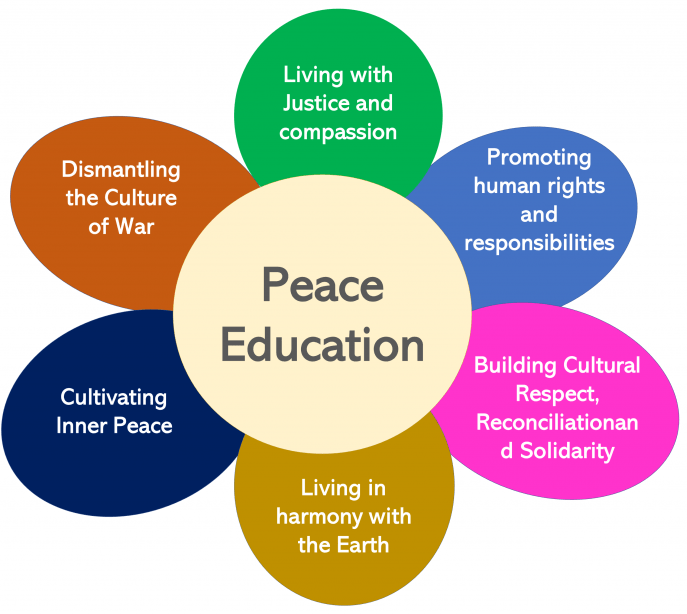
The Role of Teachers and Parents in Guiding Youths Towards Peace-Oriented Education
Teachers and parents play a crucial role in shaping the mindset and aspirations of young people. They must instill values of empathy, critical thinking, and global responsibility from an early age. Parents should encourage their children to explore fields of study that contribute to societal harmony and sustainability, emphasizing careers that go beyond personal success to serve the greater good. Teachers, on the other hand, must incorporate lessons of peace, conflict resolution, and intercultural understanding into their curriculum, helping students develop a worldview that prioritizes dialogue over aggression and cooperation over competition.
In guiding young people, it is essential to highlight career paths that have a meaningful impact on conflict prevention and crisis response. Schools and universities should provide career counseling that connects students with mentors in fields such as international diplomacy, environmental sustainability, and humanitarian aid. Likewise, parents must support their children’s passions while also helping them understand how their education can contribute to a better world. With this strong foundation of guidance and encouragement, young individuals will be more likely to choose professions that foster peace and stability.

International Relations and Peace Studies by AI
One of the most direct educational pathways for advancing peace is through International Relations and Peace Studies. These fields provide students with a deep understanding of global power structures, diplomacy, and conflict resolution strategies. Future diplomats, negotiators, and policymakers trained in these disciplines will be better equipped to mediate international disputes and foster cooperation between nations. Additionally, Peace Studies introduces students to the philosophical and ethical foundations of nonviolence, as well as practical skills in mediation, negotiation, and reconciliation.
To encourage students to pursue these fields, parents and teachers must highlight the importance of global affairs and the impact of diplomacy in preventing wars and fostering international collaboration. Schools should introduce courses that expose students to real-world international conflicts and successful peace agreements, inspiring them to contribute to such efforts.
Law and Human Rights
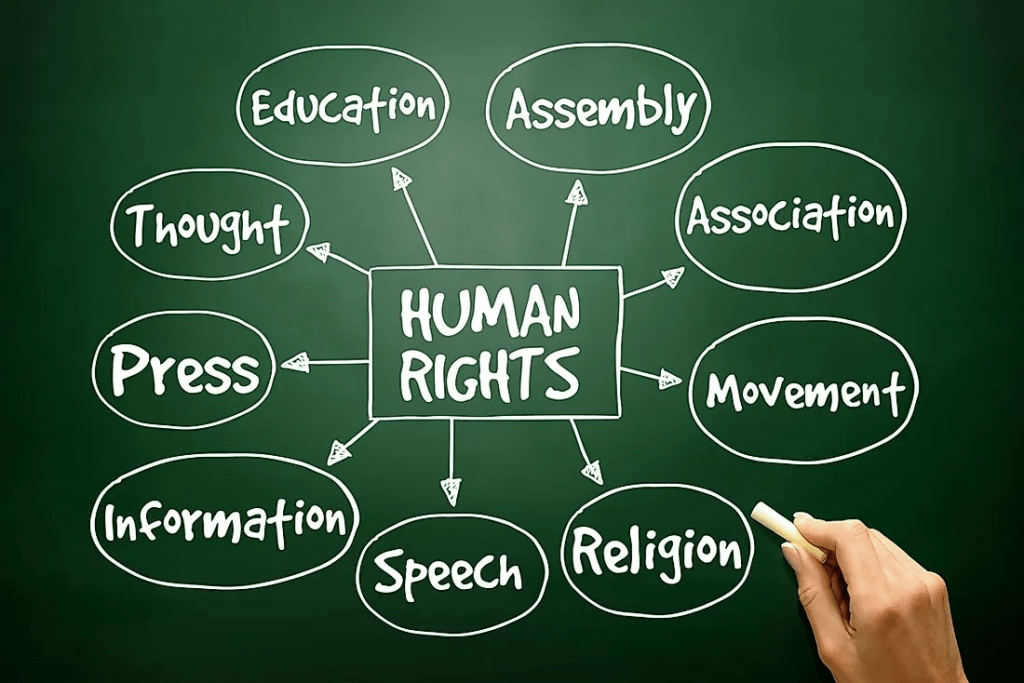
The study of law, particularly with a focus on human rights, international law, and humanitarian law, is essential for maintaining global justice and preventing conflicts. Lawyers, judges, and policymakers with expertise in these areas can ensure that international agreements are upheld, war crimes are prosecuted, and marginalized communities receive justice. Institutions such as the International Criminal Court and the United Nations depend on well-trained legal professionals to enforce treaties and hold violators accountable.
Parents and teachers should emphasize the role of law in protecting human dignity and upholding justice. Encouraging young minds to develop an interest in fairness, equity, and legal advocacy can lead to careers that actively contribute to peace. Schools should also introduce debates, mock trials, and human rights discussions to help students develop a passion for justice.
Environmental Science and Sustainability
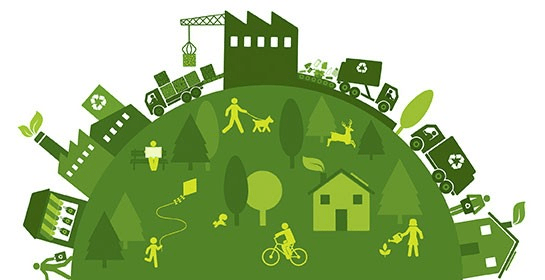
Environmental degradation and climate change are increasingly recognized as major drivers of conflict, particularly in regions where competition over scarce resources leads to instability. Education in Environmental Science, Climate Policy, and Sustainable Development equips future leaders with the knowledge to implement policies that mitigate climate change, manage natural resources equitably, and reduce environmental stressors that contribute to migration and conflict.
To make environmental education more impactful, teachers and parents should introduce students to the real-life consequences of climate change, including displacement and resource-based conflicts. Encouraging participation in sustainability projects, community cleanups, and environmental advocacy groups can instill a sense of responsibility toward preserving peace through ecological balance.

Technology and Cybersecurity
As conflicts increasingly move into digital spaces, expertise in Technology and Cybersecurity will play a crucial role in maintaining global security. Cyberattacks on critical infrastructure, misinformation campaigns, and digital espionage have become tools of modern warfare. Educating the next generation in cybersecurity, artificial intelligence ethics, and digital diplomacy will be essential for preventing cyber conflicts and ensuring that technology is used as a force for peace rather than division.
Teachers should integrate digital ethics and responsible technology use into their curriculum, while parents must monitor and guide their children in navigating the digital world. Encouraging young people to see technology as a tool for innovation and problem-solving rather than division and manipulation is essential in shaping ethical leaders in the tech industry.
Healthcare and Emergency Response
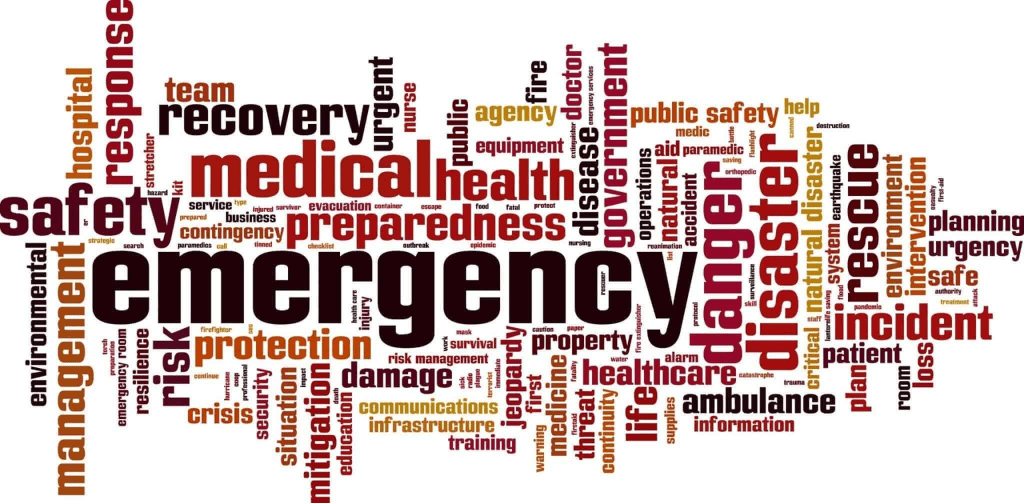
Medical professionals and first responders are often on the front lines of conflict zones, natural disasters, and humanitarian crises. Education in Public Health, Emergency Medicine, and Disaster Response is critical for equipping individuals with the skills to save lives in the most challenging conditions. Future doctors, nurses, and paramedics trained in crisis response will be indispensable in providing medical aid to war-torn regions, supporting displaced populations, and preventing the spread of disease in emergency situations.
Parents and teachers should highlight the humanitarian aspect of healthcare careers, showing young minds how medicine can be a force for peace. Exposing students to stories of medical professionals working in conflict zones and disaster relief efforts can inspire them to pursue careers that serve humanity.
Sociology, Psychology, and Community Development
Understanding human behavior, societal structures, and community dynamics is essential for addressing the root causes of conflict. Disciplines such as Sociology, Psychology, and Community Development offer valuable insights into social cohesion, identity politics, and collective trauma. Professionals trained in these fields can work in peacebuilding initiatives, post-conflict reconciliation programs, and social integration efforts for refugees and displaced populations.
Educators should incorporate lessons on empathy, cultural understanding, and mental health awareness into the classroom. Parents should also encourage open conversations about social issues and the importance of emotional intelligence, helping their children become more aware of the human dimensions of peacebuilding.
Business, Economics, and Ethical Leadership
Economic disparity is often a catalyst for conflict, making education in Business, Economics, and Ethical Leadership vital for peace and development. Entrepreneurs and policymakers who understand sustainable economic models can create job opportunities, reduce poverty, and foster economic interdependence between nations, thereby reducing the likelihood of conflict.
Parents and educators should emphasize ethical leadership and corporate responsibility, ensuring that young business minds prioritize sustainability, fair trade, and inclusive growth. Schools can offer programs on social entrepreneurship, impact investing, and ethical business practices to inspire students to create businesses that contribute to peace.

The coming decades will require a multifaceted approach to education that prepares individuals to address the root causes of conflict, respond to crises, and build sustainable peace. Fields such as International Relations, Law, Environmental Science, Cybersecurity, Healthcare, Sociology, and Economics each contribute uniquely to the global peace architecture. However, education alone is not enough; parents and teachers must actively guide and mentor young people in choosing careers that align with peace, justice, and sustainability.
By instilling the right values, fostering critical thinking, and exposing students to meaningful career paths, society can create a generation that is not only knowledgeable but also committed to making the world a more peaceful and resilient place. Education remains the most powerful weapon against violence, and with the right guidance, it can shape leaders who will champion peace and stability for future generations.
 NightingaleSea
Leave a comment