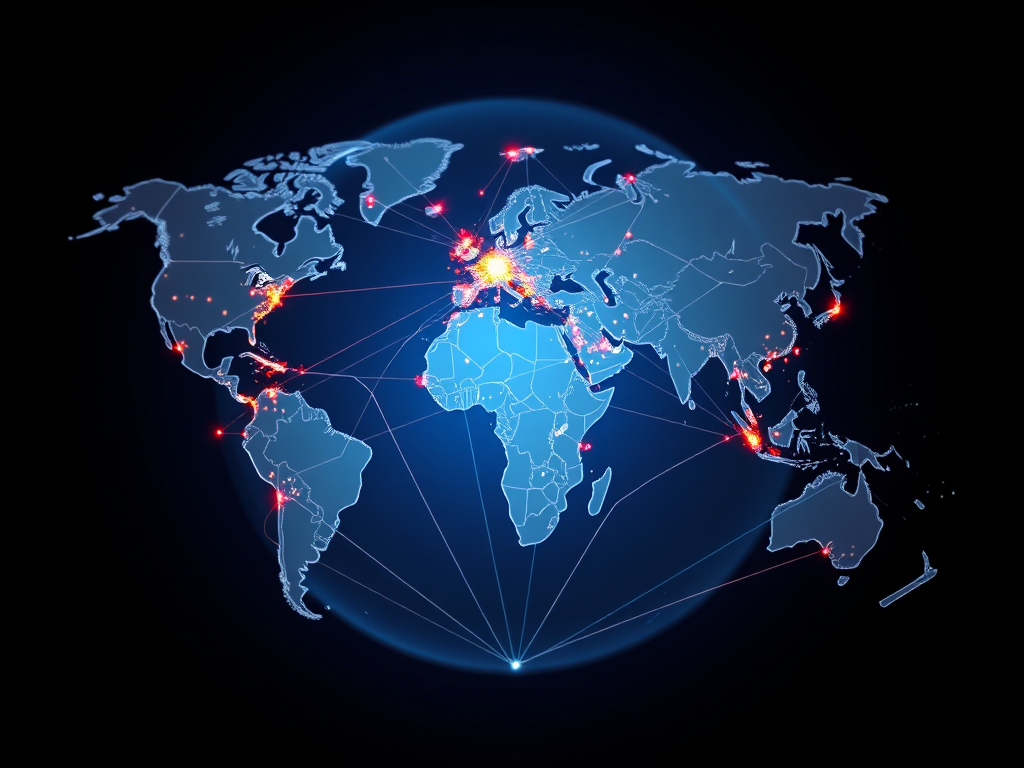
In a world where information flows freely online, many believe social media is a space for open discussion and grassroots activism. But the reality is far more complex. State-sponsored influence campaigns, particularly those led by authoritarian regimes like China, are reshaping the digital battlefield. These operations manipulate public perception, suppress dissent, and flood platforms with misleading narratives. For peace activists, this presents a growing challenge: how can they continue their work effectively when the online world is increasingly controlled and distorted?
To counter these efforts, peace activists must take their work offline and build strong, real-world foundations. Social media can still be useful for spreading awareness, but it should not be the primary tool for organizing and mobilization. By reinforcing grassroots networks, creating alternative communication channels, and maintaining media independence, peace movements can remain resilient. Here’s how activists can safeguard their mission against digital manipulation.
Building Strong Grassroots Networks
Social media can amplify messages, but it can also be manipulated to silence certain voices or distort narratives. That’s why activists must prioritize real-world connections and community engagement. Establishing physical meeting spaces, such as community hubs or resource centers, allows activists to gather, plan, and educate people without interference from online censorship or disinformation campaigns.
Training sessions and workshops can also play a crucial role. Teaching activists how to organize nonviolent movements, recognize propaganda, and build sustainable advocacy networks ensures they are prepared to counter digital manipulation. Beyond formal training, it’s essential to create safe spaces for discussions—places where people can share ideas, voice concerns, and strategize without fear of being monitored or harassed online
- “Social media can amplify, but it can’t replace the power of a face-to-face conversation
Finding Alternative Ways to Communicate
Social media platforms are vulnerable to algorithmic suppression, bot attacks, and government-backed campaigns designed to discredit movements. Relying solely on these platforms makes activists easy targets for disruption. Instead, they should develop alternative communication methods.
One solution is to use encrypted messaging apps like Signal, which offer secure communication away from public platforms that can be easily infiltrated. In places where internet access is limited or censored, activists can revive traditional forms of communication, such as independent print media, zines, or pamphlets. These offline publications allow for the distribution of unfiltered information that cannot be manipulated by algorithms or mass reporting campaigns.
Another powerful tool is radio. In many regions, independent radio stations have been a lifeline for activists, broadcasting crucial information where digital platforms are unreliable. Even word-of-mouth networks, when well-organized, can effectively spread messages in areas where direct communication is restricted.
Making a Real-World Impact Through Advocacy and Public Engagement
When social media platforms suppress or distort messages, activists must take their efforts to the streets and into communities. Grassroots engagement—such as town hall meetings, public forums, and door-to-door outreach—ensures that people hear directly from activists rather than through manipulated online narratives.
Public demonstrations, art installations, and creative forms of advocacy can be highly effective in drawing attention to important issues. Universities, religious organizations, and local groups can also be valuable allies in sustaining peace movements. Partnering with these institutions helps embed activism into existing community structures, making it harder to silence.
Protecting Media Independence and Combating Disinformation
Disinformation thrives in digital spaces where algorithms favor engagement over truth. To fight back, peace activists must prioritize independent journalism and fact-checking efforts. Training community members to act as citizen journalists can help document events accurately and challenge misleading narratives.
Since digital content can be erased, activists should maintain physical archives of critical information, testimonies, and historical records. Governments and other actors seeking to rewrite history or suppress information cannot easily manipulate physical records. Additionally, independent publishing networks—such as underground newspapers or direct-to-community book distribution—help ensure that important stories reach the public without interference.
Building International Solidarity to Resist Isolation
One of the most effective tactics used by authoritarian regimes is to isolate movements, making them seem fringe or unsupported. To counter this, peace activists must strengthen international alliances. By forming connections with activists in other countries, they can exchange strategies, amplify their voices, and create a global support system.
Participating in international conferences, exchanges, and advocacy efforts helps movements gain visibility beyond the reach of digital manipulation. Cross-border partnerships with NGOs, universities, and human rights organizations also provide credibility and protection for activists facing suppression.
In times of crisis, having an emergency response network can be lifesaving. Rapid-response teams—composed of lawyers, journalists, and activists—can provide immediate support when individuals face threats, arrests, or digital attacks. Knowing that international allies are watching makes it harder for governments to crack down on movements without consequences.
Balancing Digital Tools with Cyber Resilience
Although activists need to focus on offline engagement, they cannot ignore the digital landscape entirely. Strengthening cybersecurity practices is critical to preventing hacking, surveillance, and online harassment. Using independent websites instead of relying solely on social media platforms ensures that activists control their message without external interference.
Exploring decentralized platforms—such as blockchain-based social networks—can offer more secure spaces for communication. At the same time, practicing cyber hygiene, such as using strong passwords, two-factor authentication, and secure cloud storage, can prevent infiltration by bad actors.
Sustaining Movements for the Long Term
Short-term activism that relies heavily on digital virality often fades quickly. To make a lasting impact, peace movements need to build strong, sustainable structures. Leadership development is essential, ensuring that new leaders are continuously trained to carry on the work.
Documenting strategies and lessons learned helps future generations of activists avoid past mistakes and build upon successful tactics. Financial independence is another key factor. Relying on grants or external funding can make movements vulnerable, so activists should develop community-driven support systems, such as cooperative funding models, merchandise sales, or local fundraising efforts.
The Future of Peace Activism in a Digitally Controlled World
As state-sponsored digital manipulation becomes more sophisticated, activists must stay ahead by reinforcing their real-world presence. The fight for peace and justice cannot be waged solely in algorithm-controlled spaces—it must be grounded in direct action, strong networks, and unwavering resilience.
Peace is not just an online campaign or a trending hashtag. It is a movement that requires human connection, collective effort, and a willingness to adapt in the face of evolving challenges. By taking activism offline and strengthening their foundations, peace movements can resist digital suppression and continue their work effectively, no matter how much the digital battlefield shifts.
The key to lasting change is not just fighting misinformation but building a reality where truth and justice cannot be erased.
 NightingaleSea
Leave a comment