War is not an abstraction. It is not lines on a map, political statements, or numbers in a report. It is the systematic destruction of homes, the silencing of voices, the unraveling of communities. To understand the necessity of peace, one must first comprehend the depth of destruction war inflicts.
Gaza: A City Consumed by Fire and Hunger
In Gaza, the sky itself seems to rain fire. The thunder of artillery is constant, a reminder that safety is an illusion. Entire neighborhoods have been flattened, their skeletal remains jutting out like broken ribs. Dust coats everything—bodies, ruins, food, the skin of the survivors.
The hospitals overflow with the wounded, but supplies are scarce. Surgeons operate by the dim glow of failing generators, using instruments sterilized with makeshift methods. There are too many children in these wards—too many eyes filled with an incomprehensible terror, too many small bodies wrapped in bloodied bandages, waiting for relief that will not come.
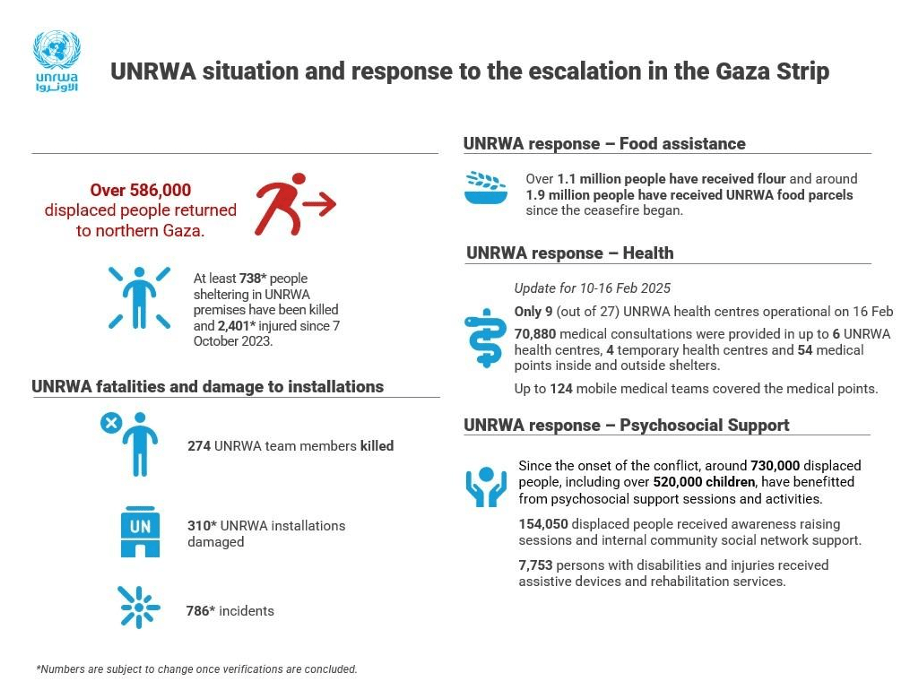
* Since the start of the war in October 2023, the latest casualty figures are continuously under review as UNRWA gains access to locations that were previously inaccessible and as further verifications occur. The summary figures will be published/updated as information becomes available, noting that these numbers are subject to change once verifications are concluded.
There is no refuge, no escape. The sea is blockaded, the borders sealed. Those who flee one bombardment often find death in another. Food is rationed to crumbs. Water, when available, is barely drinkable. The weight of war is not just in the explosions; it is in the hunger, in the sleeplessness, in the loss of everything that made life livable.
And yet, amidst this, people endure. Parents soothe their children with whispered prayers. Teachers hold lessons in bombed-out schools. The resilience of the human spirit is evident—but resilience should not be the only option for survival.
Ukraine: A Land Shattered by Shells and Silence
In Ukraine, war has turned the land into a graveyard of steel and fire. The front lines stretch for miles, a scar across the earth where artillery duels carve fresh craters daily. Towns once full of life are now abandoned ruins, their windows shattered, their streets lined with burnt-out vehicles.
The sound of drones fills the air—a mechanical hum before the explosion. Soldiers dig deeper into frozen trenches, waiting for the next barrage, the next push, the next loss. In the cities, the war manifests in power outages, air raid sirens, and sudden evacuations. A moment of normalcy—a family dinner, a walk in the park—can be erased by a single missile.
The dead lie where they fall, sometimes buried hastily, sometimes left until retrieval is possible. The lucky ones escape, becoming part of the millions displaced—fleeing westward, to foreign countries, to uncertain futures. The unlucky ones remain, their names added to the growing lists of casualties.
For those who stay, life is an act of defiance. Grandmothers bake bread in the ruins of their kitchens. Farmers risk shelling to harvest what little remains. Aid workers pull the living from the rubble, knowing they might be next. Yet no amount of courage can undo the scars of war, the shattered families, the generations that will grow up knowing nothing but conflict.
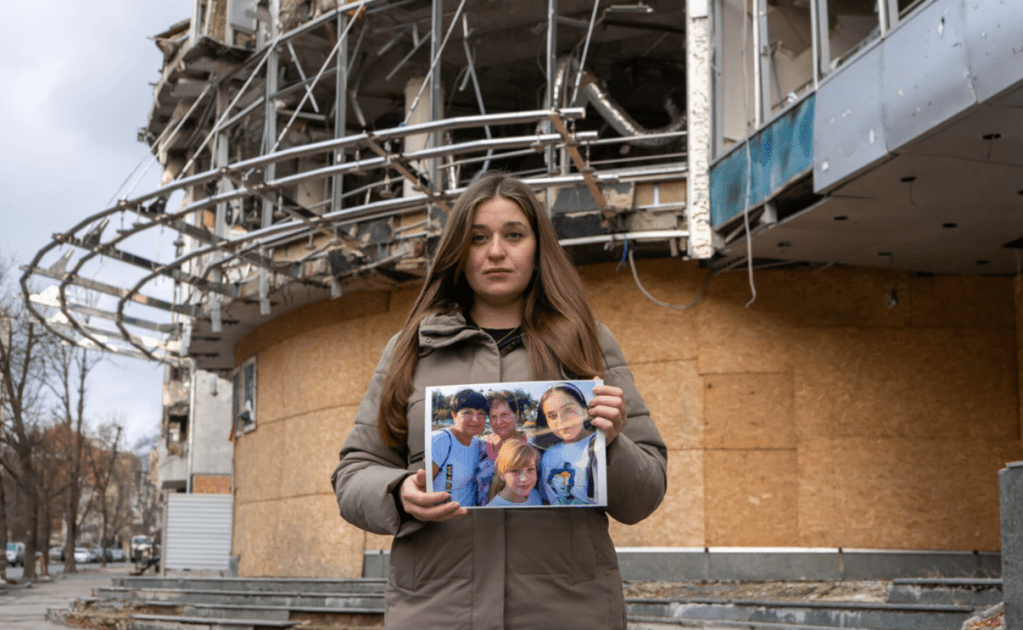
Marhartya holds a photo of her family together in Bakhmut in 2021. The city is now completely destroyed by the war.
Photo: Maryna Vereshchaka for IRC
War is not just about territory or politics—it is about people. It is about the lives shattered, the futures stolen, the communities torn apart. And it is about the unyielding hope that, even in the darkest of times, humanity can endure.
The Reality of War and the Necessity of Peace
Both Gaza and Ukraine tell the same story: war is annihilation. It is the destruction of homes, the killing of futures, the relentless suffering of civilians caught in battles they did not start. It does not just kill—it erodes, leaving behind ghosts of what once was.
To speak of peace is not to ignore politics, history, or security. It is to recognize that no justification, no ambition, no ideology is worth the horror war unleashes. There is no glory in bombed-out hospitals, no righteousness in mass graves, no victory in children growing up amid rubble and hunger.
For policymakers, for leaders, for anyone with the power to decide the course of war and peace—the images of Gaza’s charred ruins and Ukraine’s endless trenches must not fade into mere headlines. They must serve as a warning, a lesson, a call to action.
Because in the end, war does not simply end. It lingers, in the ruins, in the grief, in the generations left to rebuild from the ashes. And if peace is not prioritized, then destruction will remain the only certainty.
 NightingaleSea
Leave a comment