Throughout history, personal diaries have served as invaluable records of human experience. They capture the raw emotions, thoughts, and events of an era through the eyes of those who lived it. While history books provide broad narratives, diaries offer the intimate details that breathe life into the past. In an age where information is abundant yet fleeting, keeping a diary can be a powerful way to document our present for future generations.
A diary is more than just a collection of private thoughts; it is a witness to the times. It records personal struggles, joys, and observations, often capturing nuances that official records overlook. Many of the most insightful historical accounts come from diaries—whether it is Anne Frank’s harrowing yet hopeful reflections during World War II or Samuel Pepys’ firsthand descriptions of the Great Fire of London. These records provide historians with not only factual details but also the emotions and perspectives of those who lived through those moments. Without diaries, much of the human experience of historical events would be lost.
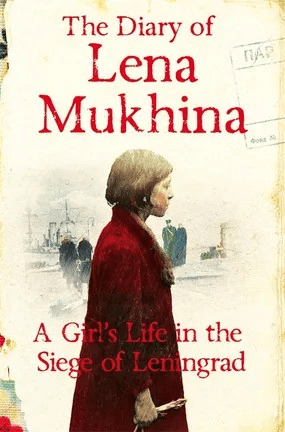
‘People are not born brave, strong and smart. These qualities must be acquired through perseverance and with determination, like the ability to read and write.’
In May 1941 Lena Mukhina was an ordinary teenage girl, living in Leningrad, worrying about her homework and whether Vova – the boy she liked – liked her. Then, on 22 June 1941, Hitler broke his pact with Stalin and declared war on the Soviet Union.
All too soon, Leningrad was besieged and life became a living hell. From day to dreadful day, Lena records her experiences: the desperate hunt for food, the bitter cold of the Russian winter and the cruel deaths of those she loved.
A truly remarkable account of this most terrible era in modern history, The Diary of Lena Mukhina: A Girl’s Life in the Siege of Leningrad is the vivid first-hand testimony of a courageous young woman struggling simply to survive.
Today, the importance of diaries as historical witnesses has only grown. We live in an era of rapid change, where technological advancements, political upheavals, and cultural shifts shape our world at an unprecedented pace. Social media and digital news provide a constant stream of information, yet they are often fleeting and unreliable. A diary, by contrast, is a deliberate and thoughtful reflection of events. It allows individuals to process what they are experiencing and to leave behind a record that is personal, unfiltered, and enduring.
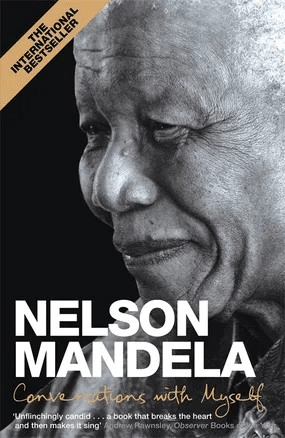
‘There is universal respect and even admiration for those who are humble and simple by nature, and who have absolute confidence in all human beings irrespective of their social status . . . it is such good men and women who are the hope of the world. their efforts and achievements are recognised beyond the grave, even far beyond the borders of their countries, they become immortal.’
A moving collection of Nelson Mandela’s letters, diary entries and other writing which offers a rare chance to see the man behind one of the most inspiring and iconic figures of our age.
An intimate journey from the first stirrings of his political conscience to his galvanizing role on the world stage, encompassing the anti-apartheid struggles of the early 1960s as well as his twenty-seven years of imprisonment. This is the story of one of the world’s most beloved public figures in his own voice: direct, clear, private.
Writing a diary is also an act of self-discovery and resilience. It enables individuals to articulate their thoughts and emotions with clarity, offering a space for reflection that is increasingly rare in a world of distractions. By documenting daily life, challenges, and achievements, a person can look back and recognize their growth over time. This process not only benefits the writer but also future readers who may one day turn to these pages to understand what life was like in the past.
Furthermore, diaries offer a counterbalance to dominant narratives. History is often written by those in power, shaping public memory according to their perspectives. Personal diaries, however, provide alternative voices, preserving the experiences of those who may otherwise be forgotten. A student living through economic hardship, a worker navigating social change, or a soldier witnessing war—all these perspectives add depth and authenticity to the historical record.
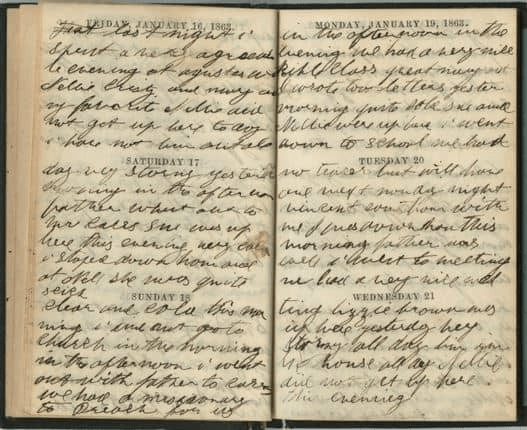
The Civil War-era diaries of Emilie Davis offer a different perspective on American history. Penn State University.
In many ways, diaries act as time capsules, preserving details that may seem mundane in the moment but later become crucial in understanding the past. The way people speak, the fears they have, the technologies they use—these everyday details offer insight into how societies evolve. Future generations can learn from the thoughts and reflections of those who lived before them, finding inspiration, warning, or simply a sense of connection to the past.
Ultimately, writing a diary is a way of bearing witness—not only to one’s personal journey but also to the world at large. It is an act of preservation, ensuring that memories, experiences, and insights are not lost with time. Whether written by hand in a notebook or typed into a digital journal, a diary remains a powerful testament to the human experience. Long after its author is gone, it can speak to the future, offering a glimpse into the past that is both personal and profound.
 NightingaleSea
Leave a comment