In today’s interconnected world, conflicts no longer begin with soldiers on battlefields. Instead, they start in the shadows—through espionage, disinformation, and covert operations. One of the most concerning threats to global peace today comes from China’s intelligence apparatus, which systematically works to manipulate diplomacy, weaken international institutions, and destabilize fragile regions. While most people associate war with tanks and missiles, the reality is that modern conflicts are shaped years in advance by intelligence operations that quietly sabotage peace efforts.
The Chinese Communist Party (CCP), through its intelligence agencies like the Ministry of State Security (MSS) and the People’s Liberation Army (PLA), is engaged in a global campaign that weakens trust, undermines negotiations, and ensures that diplomacy fails before it even begins. By understanding these hidden tactics, we can better recognize how conflicts are not just fought but carefully planned long before they erupt.
How Espionage & Manipulation Undermine Diplomacy
Diplomacy is supposed to be the key to preventing wars. Leaders from different nations come together, discuss their problems, and try to find peaceful solutions. However, these efforts become impossible when one side is secretly spying, blackmailing, and misleading the other.
Chinese intelligence agencies routinely target diplomats, negotiators, and political leaders involved in peace talks. Cyber units within the MSS and PLA hack into private communications, intercept sensitive discussions, and steal classified information. This stolen intelligence is then used to blackmail officials, manipulate decisions, or pressure governments into taking actions that favor China’s strategic interests.
This isn’t just happening in China’s immediate surroundings, like in the South China Sea or Taiwan. It extends to Africa, the Middle East, and even Europe, where Beijing seeks to control negotiations that might affect its economic and political ambitions. Peace talks are no longer about two sides trying to reach an agreement—they are often hijacked by unseen forces ensuring that outcomes align with China’s global strategy.
International Organizations as Tools of Influence
The United Nations, the World Bank, and the World Health Organization were created to bring countries together and solve international problems. However, China has found ways to turn these institutions into tools for its own political agenda. By embedding loyalists in key positions, China can manipulate decisions, suppress reports about its own human rights abuses, and shift global narratives away from its strategic aggressions.
A major tactic used by Chinese intelligence is disinformation—spreading false or misleading information to confuse people and make peacebuilding efforts more difficult. For example, in conflict zones like Myanmar, Sudan, and the Taiwan Strait, China has flooded social media with fake news and propaganda, creating division and turning public opinion against Western-led peace initiatives. By distorting the truth, China ensures that international efforts to resolve conflicts remain ineffective or even backfire.
How China Exploits Instability for Strategic Gain
In many parts of the world, war and conflict create opportunities for powerful nations to expand their influence. Instead of supporting peace, China often benefits from instability. By working through state-owned enterprises (SOEs), intelligence operatives set up economic footholds in conflict zones, ensuring that China controls key industries, resources, and political leaders once the dust settles.
In some cases, China has been linked to the arming and funding of proxy groups—local militias or rebel forces that support Beijing’s interests. This tactic has been seen in Africa, where Chinese weapons have found their way into rebel groups fighting against governments that refuse to accept unfair economic deals from Beijing. This strategy ensures that China remains a dominant force in these regions, even if it means prolonging war and suffering for local populations.
Another major tactic is debt-trap diplomacy, where China offers massive infrastructure loans to struggling nations through its Belt and Road Initiative (BRI). When these nations inevitably fail to repay the debt, China demands political and military concessions, such as control over strategic ports, diplomatic loyalty, or the suppression of anti-China protests. This approach destabilizes entire regions, forcing governments to align with Beijing even when it goes against their national interests.
Silencing Critics Through Cyber Espionage and Economic Pressure
War is not just fought with weapons—it is also fought through information. China’s intelligence services use cyber espionage to target peace activists, journalists, and organizations that speak out against Beijing’s influence. Activists advocating for peace in Tibet, Xinjiang, and Hong Kong have had their personal data stolen, their reputations smeared, and their movements tracked through digital surveillance.
Beyond cyber attacks, China also uses economic pressure to silence its critics. Universities, think tanks, and media outlets that rely on Chinese funding are often forced to avoid publishing reports that expose China’s role in undermining peace efforts. Even politicians in Western countries face Chinese economic retaliation if they speak too critically about Beijing’s actions. The result is a world where fewer people are willing to challenge China’s manipulation of international peace efforts.
A Call to Action: Recognizing and Resisting Covert Warfare
China’s intelligence operations represent a systemic threat to peacebuilding. By embedding spies in international institutions, running disinformation campaigns, and using economic coercion, Beijing ensures that peace efforts remain fragile and ineffective. If the world wants to prevent future wars, it must first recognize that wars do not start with gunfire—they start with espionage, deception, and the quiet dismantling of diplomatic trust.
Governments must take stronger counterintelligence measures to prevent Chinese espionage, protect their institutions from infiltration, and strengthen cybersecurity to resist digital warfare. Nations should also reduce their economic dependence on China, making it harder for Beijing to use financial pressure as a weapon. Finally, international organizations need to hold China accountable for its tactics, rather than allowing Beijing to manipulate global narratives and obstruct independent peace efforts.
For teenagers and young people growing up in an era of cyber warfare and intelligence battles, it is crucial to understand that peace is not just about signing treaties—it is about defending the very mechanisms that allow peace to exist. The next time you hear about a conflict erupting somewhere in the world, remember that it likely didn’t start overnight. It started years earlier, in the shadows, through espionage and deception. The challenge for the future is not just stopping war but stopping the covert operations that make war inevitable.
Referances:

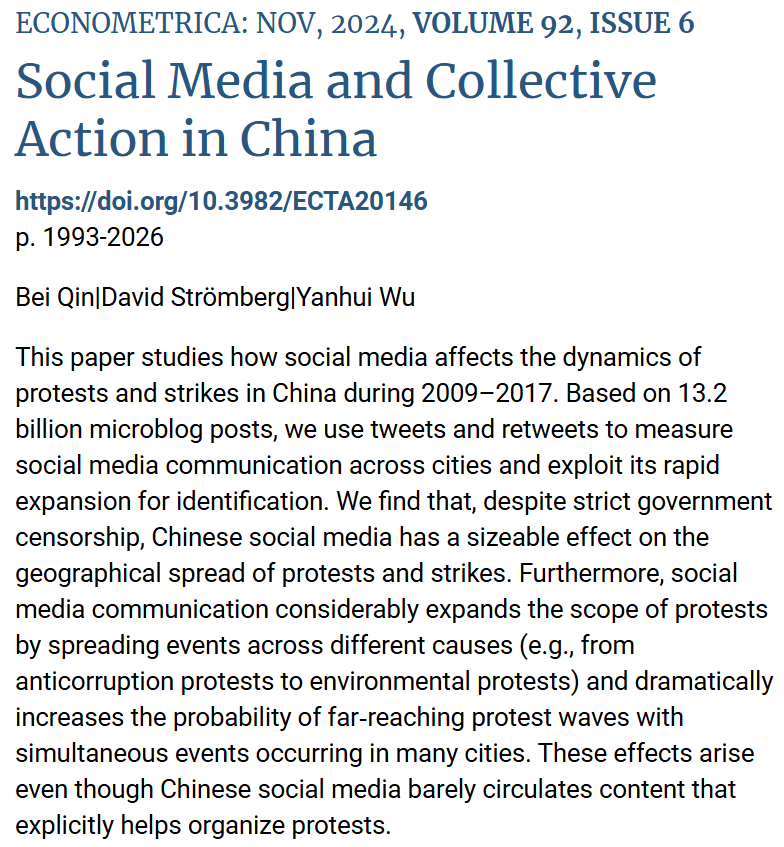
The softening of Chinese digital propaganda: Evidence from the People’s Daily Weibo account during the pandemic
www.frontiersin.org
 NightingaleSea
Leave a comment