The South China Sea, a vital maritime artery teeming with marine life and a potential treasure trove of natural resources, has become a focal point of geopolitical tensions in recent decades. At the heart of this struggle lies China’s increasingly assertive claim to almost the entire sea, a claim encapsulated in the controversial “Nine-Dash Line” that disregards the established Exclusive Economic Zones (EEZs) of neighboring nations. Over the past five decades, China has systematically pursued a strategy of incremental encroachment, maritime patrols, and militarization, steadily tightening its grip on the region. This essay examines China’s actions, highlighting specific incidents that illustrate its calculated and relentless pursuit of control over the South China Sea, raising critical questions about the future of the region and the fate of ASEAN.
Refer : Global Conflict Tracker
From Territorial Seizures to Militarization: A Calculated Long Game
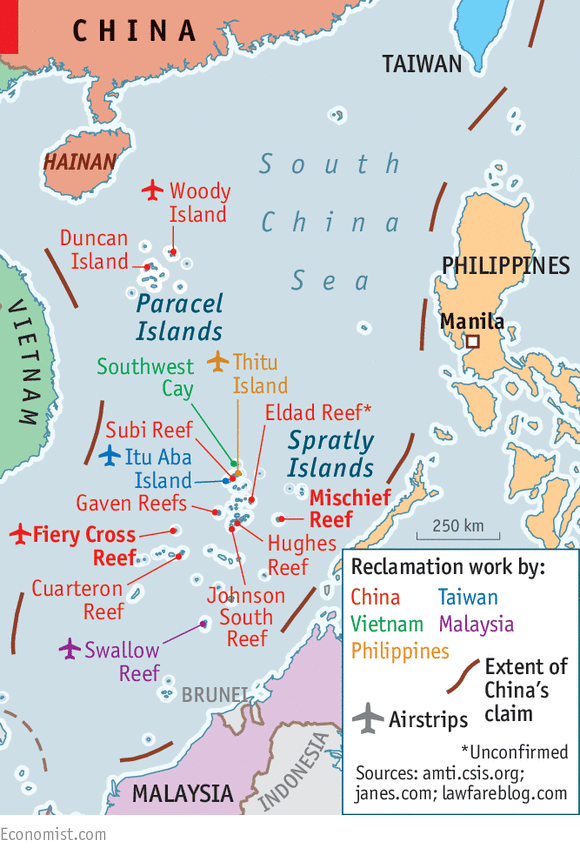
China’s actions in the South China Sea go back to the 1970s, starting with the capture of the Paracel Islands from South Vietnam in 1974. This bold move set the stage for China’s future behavior in the region, showing their intent to ignore international rules when it suited them.
In the 1980s and 1990s, China took a quieter approach, increasing its presence in the Spratly Islands by deploying surveillance vessels and troops. While there weren’t many direct confrontations, their gradual encroachment showed a long-term strategy of patience and persistence.
The 2000s saw China becoming more assertive, with the Scarborough Shoal standoff in 2012 highlighting their willingness to confront other nations. When the Philippine Navy tried to arrest Chinese fishermen in their own waters, Chinese coast guard vessels intervened, effectively taking control of the area.
In the 2010s, China shifted from a passive presence to active militarization and resource exploitation. For instance, the deployment of the Haiyang Shiyou 981 oil rig in Vietnamese waters led to clashes between Chinese and Vietnamese vessels in 2014. Additionally, China began large-scale island reclamation in the Spratlys, building artificial islands with military facilities, further solidifying their control and sending a clear message to the world.
Refer :
The South China Sea is strategically important due to its rich natural resources and its role as a major shipping lane, with an estimated $3.36 trillion worth of global trade passing through annually. The militarization efforts by China, including the installation of anti-ship and anti-aircraft missile systems, have raised concerns among neighboring countries and the international community.
It’s a complex and evolving situation with significant implications for regional security and global trade.
Escalation and the Legalization of Aggression
China’s assertive actions have continued into the 2020s, accompanied by a legal framework designed to legitimize its claims and intimidate smaller nations. The enactment of the Chinese Coast Guard Law in January 2021 granted the coast guard broad authority to use force against foreign vessels in disputed waters. This legislation effectively legalized China’s use of force to enforce its claims, raising serious concerns among neighboring countries. It signaled a willingness to escalate tensions and engage in potentially dangerous confrontations to solidify its control over the region.
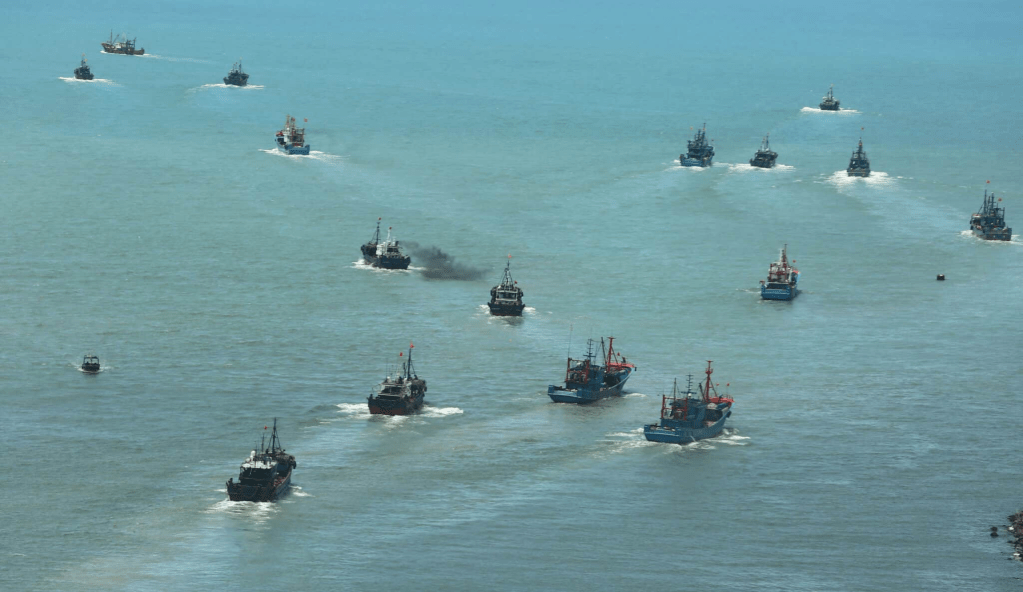
In addition to the specific incidents mentioned above, China has employed a range of tactics to assert its dominance in the South China Sea. These include persistent incursions into the EEZs of other nations, where Chinese coast guard vessels regularly patrol and intrude into the waters of Malaysia, Indonesia, and the Philippines, often harassing fishing vessels and disrupting oil and gas exploration activities. China also utilizes “swarming” tactics, deploying large numbers of fishing vessels, often accompanied by coast guard ships, to overwhelm and intimidate the maritime forces of other claimants. This tactic was notably employed near Pag-asa Island (Thitu Island) in the Philippines in February 2020, when approximately 200 Chinese vessels swarmed the area, effectively restricting Philippine access.
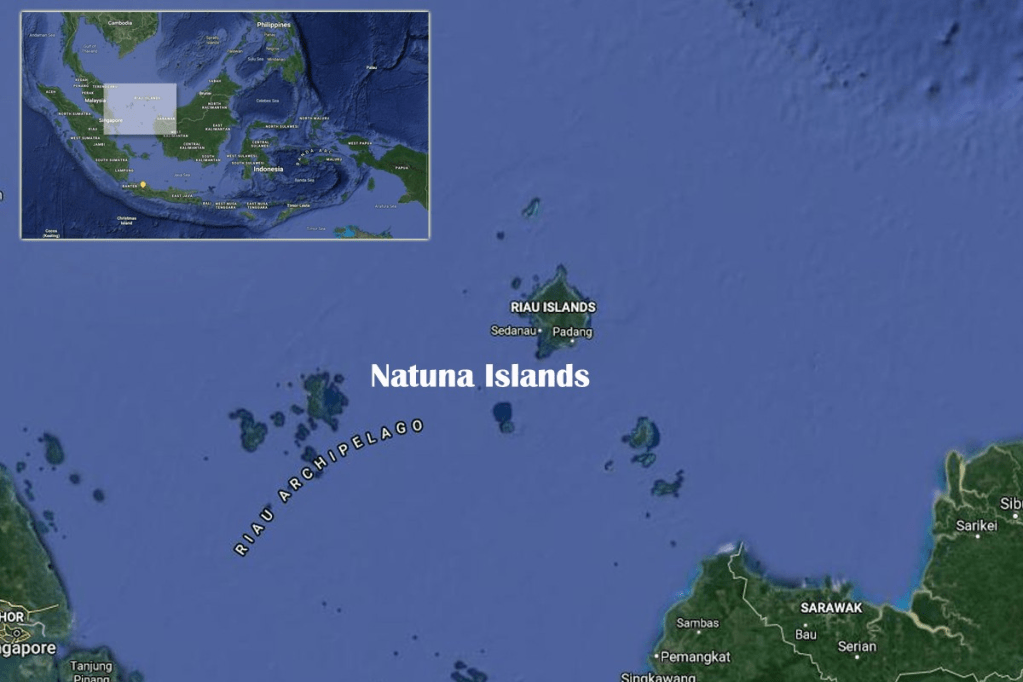
Furthermore, China frequently cites “historic rights” to justify its actions in the South China Sea, even in areas that fall within the recognized EEZs of other nations. This argument, based on vague historical claims and lacking any basis in international law, has been used to defend Chinese fishing activities in Indonesian waters around the Natuna Islands, leading to repeated confrontations.
The Future of the South China Sea and the Fate of ASEAN
China’s relentless pursuit of control over the South China Sea has profound implications for the region and its inhabitants. The half-billion people living in ASEAN economies bordering the South China Sea rely heavily on its resources for their livelihoods and future prosperity. Fisheries, oil and gas reserves, and vital shipping lanes are all at stake.
If China succeeds in asserting undisputed control over the South China Sea, it could severely restrict access to vital resources, imposing limitations on fishing and energy exploration activities by other nations, jeopardizing the economic well-being of Southeast Asian countries. It could also disrupt trade and shipping, as control over the South China Sea would give China significant leverage over vital shipping lanes, potentially disrupting global trade and impacting regional economies.
Moreover, China’s blatant disregard for international law and the 2016 arbitral ruling sets a dangerous precedent, potentially encouraging other nations to flout international norms and undermining the rules-based international order. The militarization of the South China Sea and the potential for miscalculations or accidental clashes raise the specter of a wider conflict in the region, with devastating consequences for all involved.
The future of the South China Sea hangs in the balance. ASEAN nations face a formidable challenge in upholding their sovereignty and protecting their interests in the face of China’s growing power and assertiveness. Maintaining a united front, strengthening regional cooperation, and engaging in astute diplomacy will be crucial in navigating this complex and potentially perilous landscape. The stakes are high, not only for the countries bordering the South China Sea but for the entire international community. The world is watching to see if China will choose cooperation or confrontation, and whether the rule of law will prevail in this critical region.
 NightingaleSea
Leave a comment