The Democratic Dilemma: Why China Sides with Authoritarianism
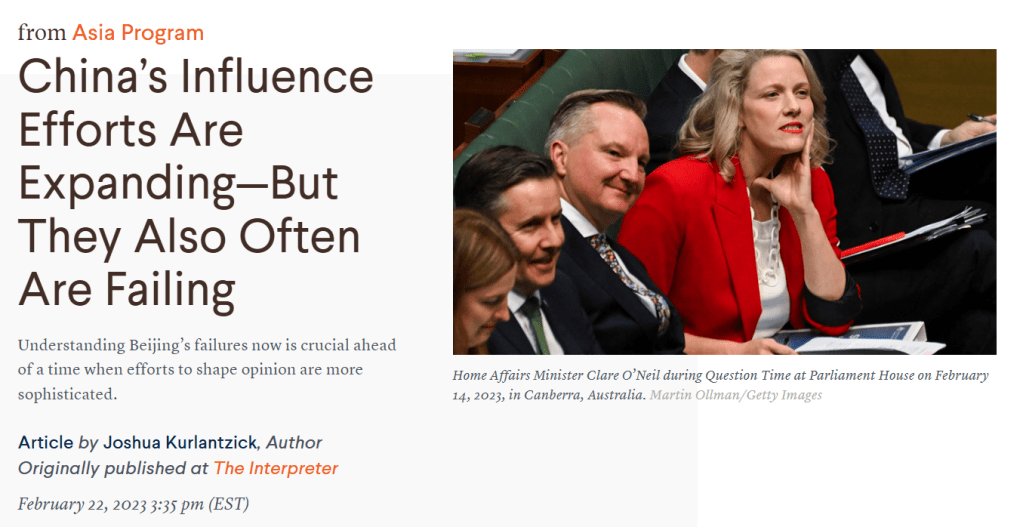
China’s growing power has shown a worrying trend: it often supports authoritarian regimes and goes against democratic values. This trend, based on China’s own political system and strategic interests, challenges the global spread of democracy and human rights. According to a recent report, China’s influence efforts are expanding, but they often fail due to clumsy tactics and backlashes.
China’s Political System and the “China Model”
China’s own way of governing is a one-party system with limited political freedoms, focusing on social stability and economic growth. This system, known as the “China Model,” is very different from liberal democracy, which values individual rights, freedom of speech, and political diversity. China’s leaders see promoting democracy as a threat to their power. They worry that democratic ideas inspire opposition within China and weaken the Communist Party’s legitimacy.
China’s Dislike for Democracy
China’s dislike for democracy shows in various ways. It consistently supports authoritarian regimes worldwide, offering them diplomatic support, economic aid, and military assistance. This help often comes with no conditions, allowing these regimes to continue their oppressive practices. Recent examples include China’s relationships with North Korea, Myanmar, and Belarus.
In North Korea, China provides vital economic and diplomatic support despite its poor human rights record and nuclear ambitions. In Myanmar, China has protected the military junta from international pressure, enabling its brutal crackdown on pro-democracy protesters. Similarly, China has supported Belarus’s leader, Alexander Lukashenko, who has violently suppressed dissent and rigged elections to stay in power.
Implications of China’s Actions
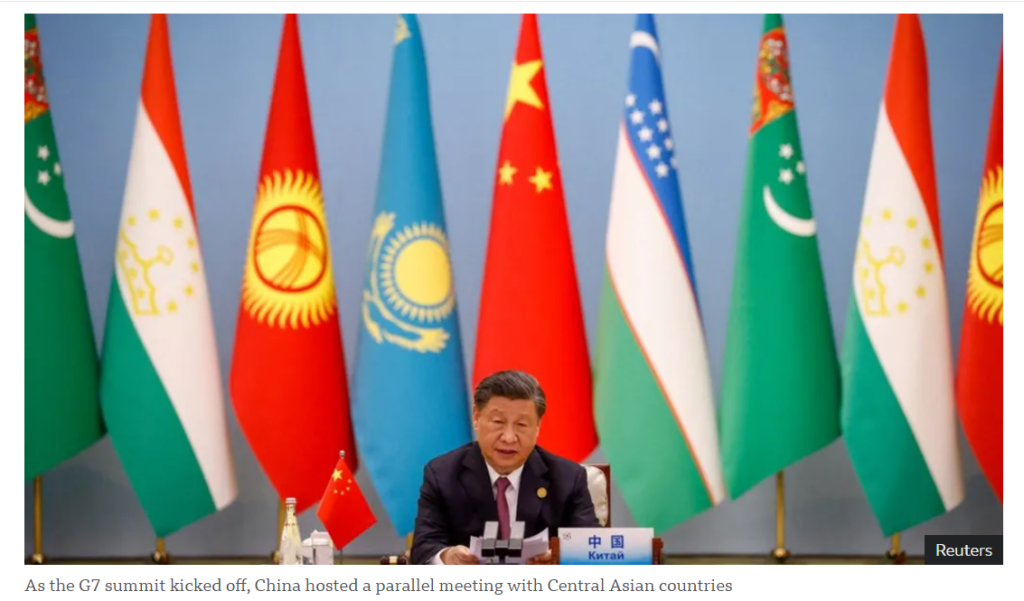
China’s actions have significant implications beyond just the challenges to democracy. They contribute to a global decline in freedom and human rights. Potential global responses include coordinated actions by democratic nations to counter China’s influence. For example, the Group of Seven (G7) leading economies have taken steps to counter China’s economic coercion. The U.S. National Defense Authorization Act established a Countering Economic Coercion Task Force to discuss responses to Chinese economic pressure with allies and partners.
Recent Examples and Global Responses
China’s influence efforts are expanding, but they often fail due to clumsy tactics and backlashes. For instance, China’s attempts to interfere in democratic elections in Taiwan and Hong Kong have been met with resistance. The global movement against China’s economic coercion is accelerating, with the G7 leading economies uniting to denounce China’s actions.
In conclusion, China’s growing power and its support for authoritarian regimes pose a serious challenge to the international community. Coordinated responses by democratic nations are essential to protect democratic values and promote a fairer world order.
some critical points about China’s global influence and its support for authoritarian regimes. China’s consistent pattern of supporting authoritarianism and undermining democratic values indeed poses a significant challenge to the global spread of democracy and human rights. Let’s dive deeper into the reasons behind this trend:
- Economic Interests: China often aligns with authoritarian regimes to secure economic interests and investments. This includes access to natural resources and markets that might be less accessible in democratic countries.
- Ideological Alignment: China promotes its governance model as an alternative to liberal democracy. This includes emphasizing state control and stability over individual freedoms and transparency.
- Strategic Influence: By supporting authoritarian regimes, China can extend its influence globally and counterbalance Western democratic ideals.
- Domestic Stability: Supporting authoritarian regimes abroad can also be seen as a way to prevent the spread of democratic movements that might inspire similar demands within China.
- Historical Context: China’s leadership has long focused on consolidating power and maintaining its authoritarian political model. This focus has been consistent since the death of Mao Zedong in 1976.
- Information Control: China’s domestic censorship and control over the internet are seen as crucial for national security and social stability. This approach is often extended to its international relations, where it supports regimes that also suppress dissent and control information.
 NightingaleSea
Leave a comment