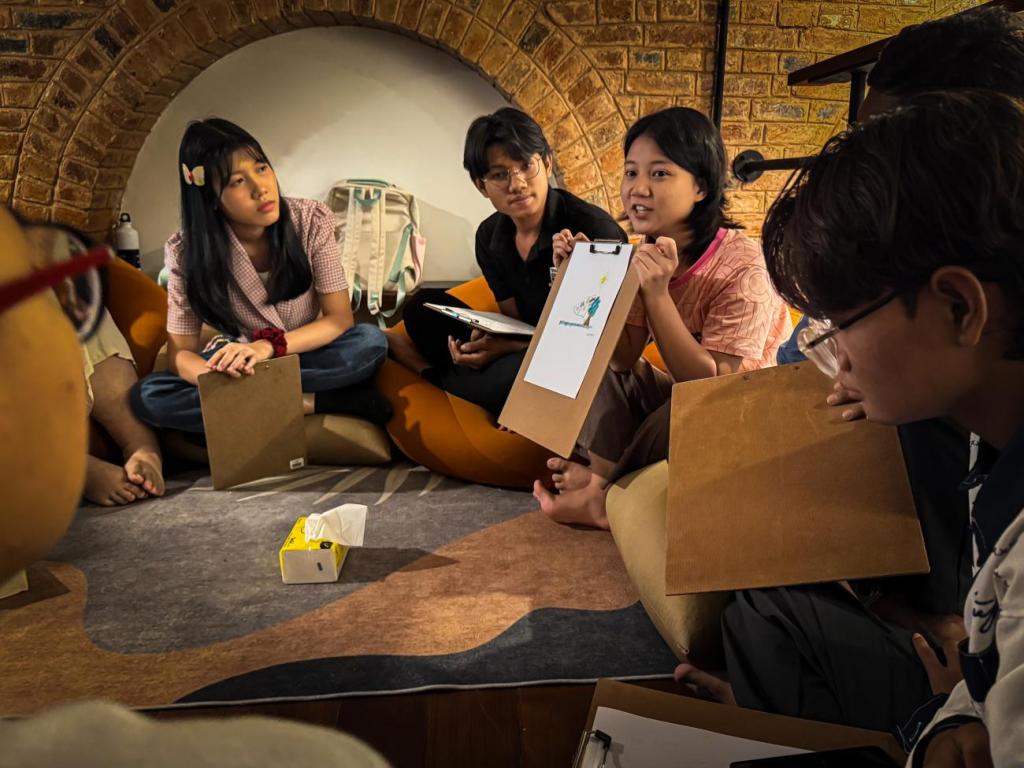
Youth participants join group discussions supported by a mental health counsellor.
Photo: © UNFPA Myanmar
The struggle for democracy in Myanmar isn’t confined to the streets and jungles. It’s a battle being waged online, where a generation of tech-savvy young people are using social media and digital tools to resist the junta, share information, and connect with the world. This is where we come in. We, the global youth, have a unique opportunity to engage with our peers in Myanmar, to understand their struggle, amplify their voices, and offer support in their fight for freedom.
Forget outdated notions of letter-writing campaigns. This is the age of instant connection. Platforms like Twitter, Instagram, and Facebook have become lifelines for young people in Myanmar, allowing them to bypass the junta’s censorship and share real-time updates on protests, human rights abuses, and the evolving political situation. By following activists, journalists, and citizen reporters, we can gain firsthand insights into the realities on the ground and counter the junta’s propaganda.
But engagement goes beyond simply observing. We can use our own social media platforms to amplify the voices of Myanmar’s youth, sharing their stories, raising awareness about the crisis, and putting pressure on our own governments to take action. Online petitions, fundraising campaigns, and social media challenges can all contribute to supporting the resistance movement and providing much-needed humanitarian assistance.
Moreover, we can foster direct people-to-people connections. Numerous online forums and groups dedicated to Myanmar have emerged, creating spaces for dialogue and exchange. Engaging in these conversations, listening to personal experiences, and offering messages of solidarity can provide invaluable moral support to those fighting for freedom.
Think about it: imagine being a young person in Myanmar, risking your life for democracy, and receiving a message of support from someone across the world who understands your struggle. That connection, that sense of shared purpose, can be incredibly empowering.
This digital solidarity can also translate into tangible action. Many organizations working to support Myanmar accept online donations, which can be used to provide humanitarian aid, fund independent media, and support education initiatives. Even small contributions can make a difference.
Furthermore, we can leverage our skills and resources to offer direct assistance. Are you a coder? Help develop secure communication tools for activists. Are you a writer? Amplify their stories through blogs and articles. Are you a designer? Create compelling visuals to raise awareness about the crisis.
Engaging with the people of Myanmar online isn’t just about showing solidarity; it’s about actively participating in their struggle for freedom. It’s about building bridges of understanding, amplifying their voices, and contributing to the restoration of democracy. In a world increasingly connected by technology, we have the power to make a real difference.

Evolving Social Media Landscape: Trends and Usage Patterns in Myanmar
 NightingaleSea
Leave a comment