Myanmar, once a nation brimming with hope after emerging from decades of military rule, is tragically spiraling back into darkness. The 2021 coup d’état has plunged the country into a brutal civil war, with the military junta waging a campaign of violence against its own people. While the world’s attention is often focused on other global hotspots, the crisis in Myanmar is quietly destabilizing the entire ASEAN region, with repercussions that will be felt for generations to come.
One of the most alarming aspects of this crisis is the mass exodus of young people and skilled workers. Faced with a collapsing economy, brutal repression, and a bleak future, many of Myanmar’s brightest minds are fleeing the country. This “brain drain” is stripping Myanmar of its most valuable asset – its human capital. Doctors, engineers, teachers, and entrepreneurs are leaving in droves, seeking refuge and opportunity in neighboring countries.
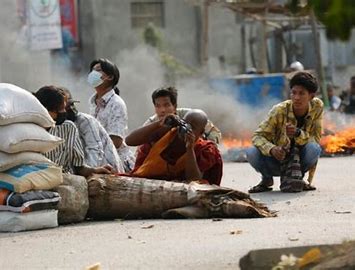
Four years after the military coup which plunged Myanmar into turmoil, the country is facing an unprecedented “polycrisis,” marked by economic collapse, intensifying conflict, complex climate hazards and deepening poverty, according to a new report by the UN Development Programme (UNDP).
The impact of this crisis extends far beyond Myanmar’s borders. The instability is spilling over into neighboring countries, particularly Thailand and India, which are struggling to cope with the influx of refugees. The crisis is also undermining ASEAN’s unity and credibility. The regional bloc has been unable to forge a cohesive response to the situation, with member states divided on how to engage with the junta.
The situation on the ground is dire. Daily reports emerge of bombings, arbitrary arrests, and extrajudicial killings. The junta has imposed internet blackouts and restricted access to independent media, making it difficult to get accurate information about the scale of the violence. However, eyewitness accounts and reports from human rights organizations paint a grim picture.
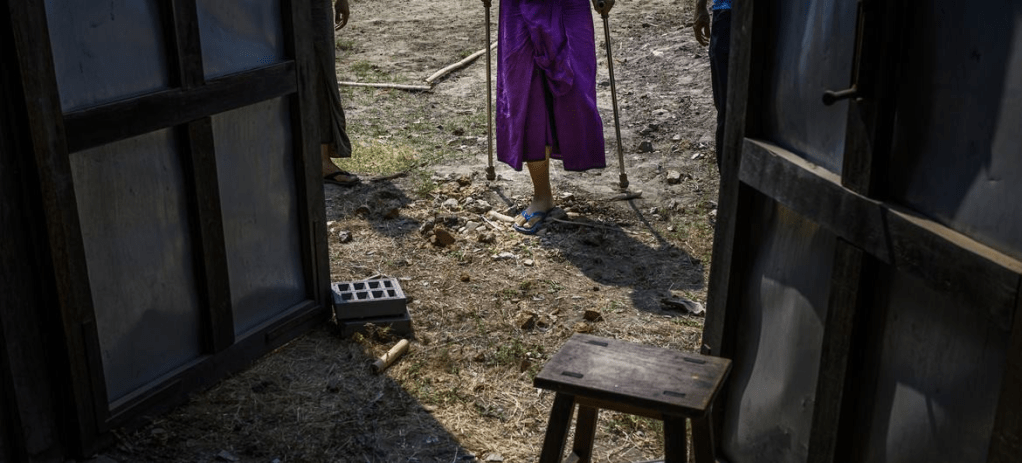
A child who lost his left leg after accidentally stepping on a landmine in his family’s paddy fields in central Myanmar.
For instance, in March 2023, the town of Mindat in Chin State was subjected to intense shelling by the military, forcing thousands of residents to flee their homes. In Sagaing Region, entire villages have been burned to the ground by junta troops. The healthcare system is on the brink of collapse, with hospitals facing shortages of essential medicines and equipment.
The crisis in Myanmar is a live event, unfolding in real-time with devastating consequences. It is a stark reminder of the fragility of democracy and the human cost of political instability. The international community cannot afford to ignore this crisis. ASEAN must take a more proactive role in resolving the conflict, and global powers need to exert pressure on the junta to end the violence and restore democracy. The future of Myanmar, and indeed the stability of the entire region, hangs in the balance.
A crisis without borders
According to Hark Murng, the rising cases he observed also include patients with HIV/AIDS.
The UN also estimated that over 10,000 new HIV infections occurred in Myanmar in 2023, with over 6,000 deaths related to the virus.
Before the military coup, over 180,000 people in Myanmar were on ART (antiretroviral therapy), and ART treatment centres had been established in over 240 townships across the country.
ART is essential to combat HIV and used to be provided free of charge in Myanmar, with the support of international health initiatives. However, it is not readily available for purchase on the open market.
Things began to unravel when the COVID-19 pandemic hit, a year before the coup. In remote regions in Sagaing in the country’s centre and Chin in the west, travel restrictions and the remote locations of treatment centres forced more than 140 patients to cross the border into Manipur, India, to access ART.
In the nearly four years following the coup, the situation has deteriorated significantly across the whole of Myanmar since conflicts now affect almost all regions of the country, making it increasingly difficult to deliver ART medications.
“The current lack of containment has significant implications for neighbouring countries like Thailand and China, and it threatens the progress toward global eradication goals.”
 NightingaleSea
Leave a comment