Education plays a vital role in shaping young minds and promoting cross-cultural understanding. In light of recent geopolitical tensions, it’s more important than ever to foster a mindset of peaceful coexistence and cooperation within our schools. Here are some actionable strategies to cultivate mutual respect and collaboration among students in both China and ASEAN countries.
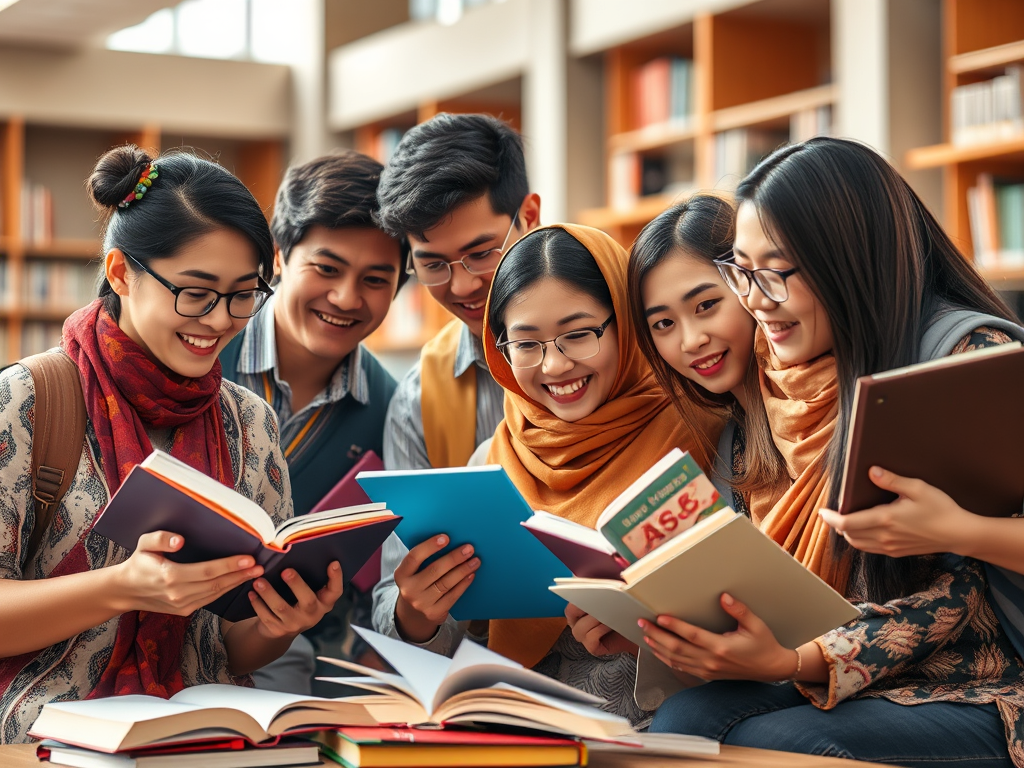
Organizing student exchange programs between China and ASEAN countries can have a profound impact. Encouraging students to participate in cultural immersion activities, language learning, and homestays allows them to experience different cultures firsthand. This not only broadens their horizons but also fosters a sense of unity and understanding.
Incorporating lessons on the history, culture, and traditions of ASEAN countries into Chinese textbooks, and vice versa, can greatly enhance curriculum content. By developing modules that highlight shared values, common goals, and the benefits of regional cooperation, we can create a more inclusive and comprehensive educational experience for students.
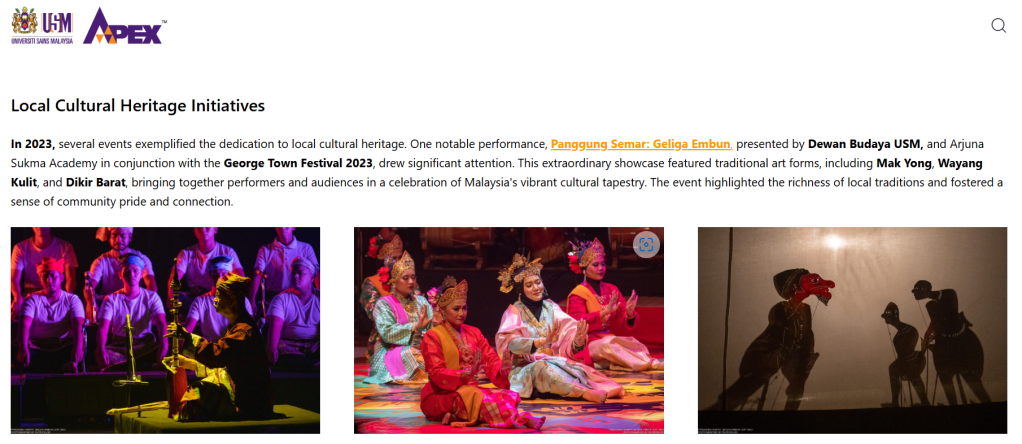
Malaysia-Thailand Cultural Exchange
Another successful program is the International Cultural Exchange between Malaysia and Thailand, held at Universiti Sains Malaysia (USM) in September 2023. This event focused on understanding and appreciating regional cultures, promoting cultural sharing, and strengthening cooperation between the two countries. It included performances, workshops, and exhibitions that highlighted the rich cultural heritage of both nations
.
Conducting interactive workshops on conflict resolution, intercultural communication, and empathy-building can be highly effective. Organizing events that celebrate cultural diversity, such as food festivals, traditional performances, and art exhibitions, can further enrich students’ experiences and appreciation for different cultures.
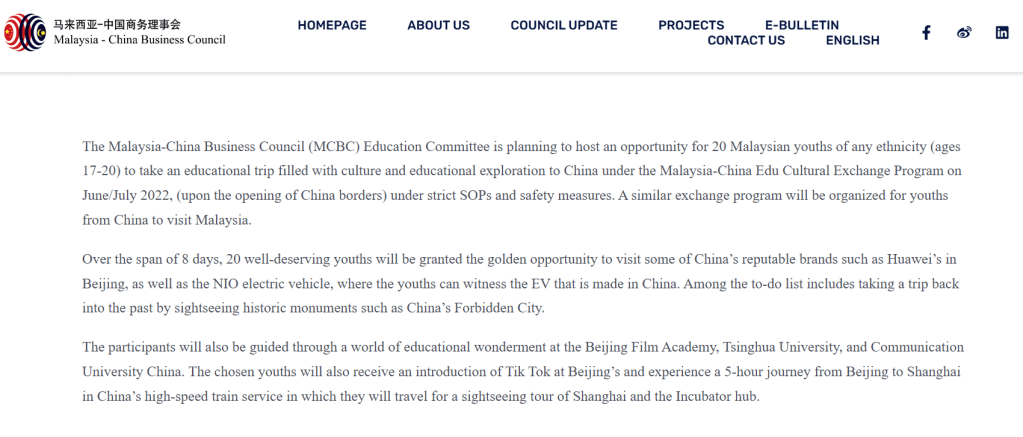
Yes, Malaysia and China have engaged in several cultural exchange programs. One notable example is the Malaysia-China Edu Cultural Exchange Program organized by the Malaysia-China Business Council (MCBC). This program allows Malaysian youths to visit China for educational and cultural exploration. Participants can experience China’s culture, visit historic sites like the Forbidden City, and explore educational institutions such as Tsinghua University and Beijing Film Academy.
Incorporating lessons on the history, culture, and traditions of ASEAN countries into Chinese textbooks, and vice versa, can greatly enhance curriculum content. By developing modules that highlight shared values, common goals, and the benefits of regional cooperation, we can create a more inclusive and comprehensive educational experience for students.
Conducting interactive workshops on conflict resolution, intercultural communication, and empathy-building can be highly effective. Organizing events that celebrate cultural diversity, such as food festivals, traditional performances, and art exhibitions, can further enrich students’ experiences and appreciation for different cultures.
Encouraging students from different countries to work together on collaborative projects that address regional challenges can be immensely rewarding. Areas such as environmental protection, disaster management, and promoting sustainable development offer ample opportunities for meaningful collaboration. Utilizing technology to facilitate virtual interactions can help bridge the gap and foster cross-cultural cooperation.
Providing teachers with professional development opportunities on multicultural education and inclusive teaching practices is crucial. Equipping educators with the knowledge and skills to foster a classroom environment that values diversity and promotes understanding will have a lasting impact on students.
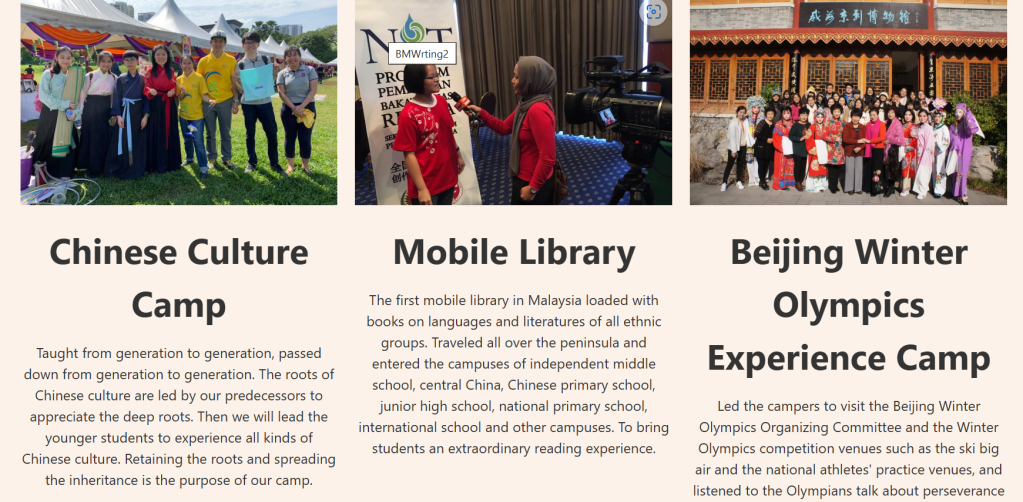
The Han Culture Centre Malaysia offers various cultural exchange programs, including international study tours and cultural camps that promote intercultural understanding and appreciation of different cultures.
Incorporating real-life examples or case studies can strengthen the proposed initiatives and provide practical context. Highlighting successful student exchange programs or collaborative projects can serve as inspiring models for others to follow.
It’s important to ensure that the overall tone remains positive and action-oriented, especially when discussing challenges faced by international students. Consistency in the format of the listed initiatives is also crucial to maintain a uniform flow and make the content easy to follow.
By implementing these initiatives, we can help young people in China and ASEAN develop a deeper understanding of each other’s cultures, build trust, and cultivate a shared vision for a peaceful and prosperous Asia Pacific region.
Malaysia-Indonesia Cultural Exchange Program
One notable program is the “2000 Postcards” Project, which was organized by City University Malaysia and Brawijaya Malang Universitas. This initiative, held in October 2024, aimed to foster cross-cultural exchange and promote sustainable cultural heritage1. The event included art workshops, traditional performances, and discussions on preserving cultural heritage. It successfully brought together students, academics, and cultural enthusiasts from both countries, celebrating and preserving shared cultural values.*
 NightingaleSea
Leave a comment