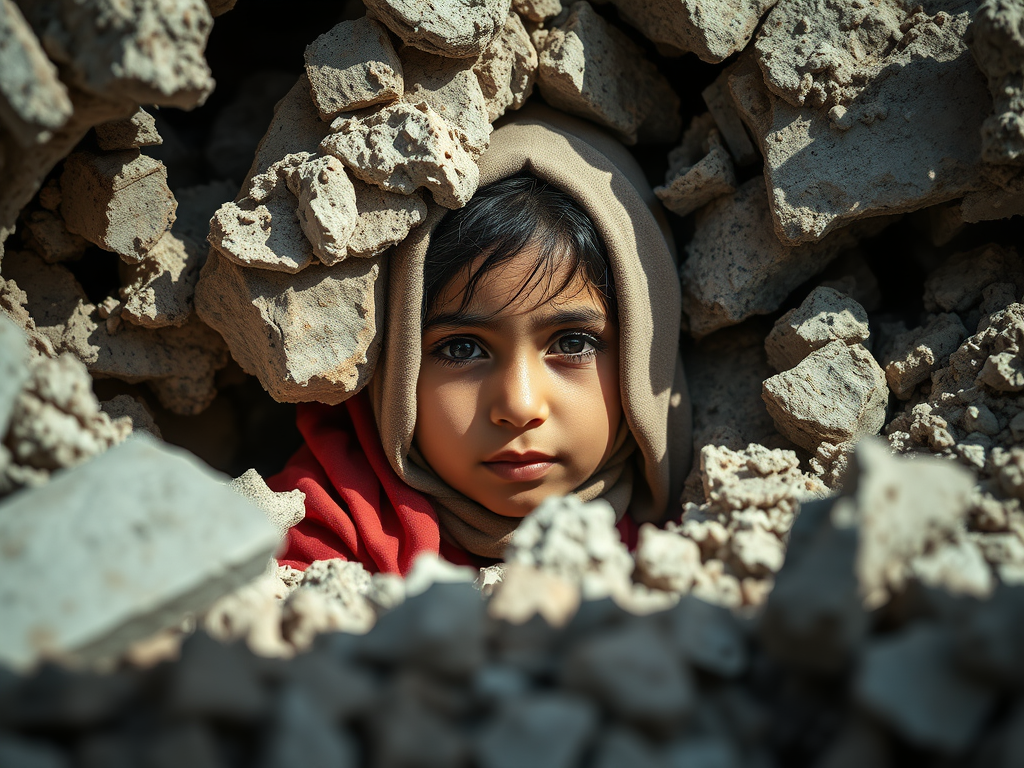
The world bears witness to the ongoing conflict in Gaza largely due to the courageous efforts of individuals who document and spread the stark realities on the ground.
Schools lie in ruins in a region. Hospitals are overwhelmed. Families endure unimaginable hardships. Capturing and sharing these moments serves as a powerful form of resistance. It compels the global community to confront the truth and take action.
In times of war, silence equates to complicity. Atrocities can easily be overshadowed by other global crises, dismissed as distant tragedies, or sanitized by official narratives. However, a single image of a destroyed home can pierce through this indifference. A video of a grieving mother can pierce through this indifference. A personal story of survival can pierce through this indifference. These unfiltered glimpses of reality resonate deeply, crossing borders and sparking vital conversations. They humanize the statistics.
the statistics. They remind us that the people of Gaza are individuals with stories, lives, and dreams. They are caught in the crossfire of violence.
The camera, often perceived as a passive observer, transforms into a formidable tool against ignorance and apathy. Directing the lens toward the truth challenges attempts to obscure or distort reality. Each photograph and each recorded video becomes evidence. They document the destruction of homes and the devastation of schools. They capture the faces of children who deserve a life free from fear. In an era where information wields immense power, every captured moment calls for accountability. Each moment demands justice. It ensures that these atrocities are neither forgotten nor ignored.
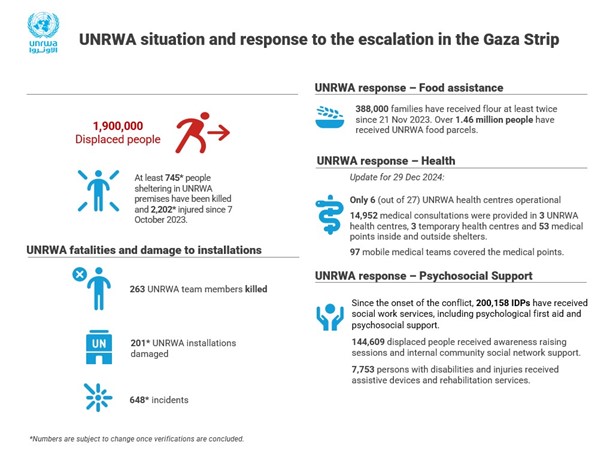
The Multiplier Effect of Sharing
Sharing these captured realities amplifies their impact exponentially. A photograph viewed by one person holds significance. When shared across social media platforms, it can reach millions. This sharing creates a multiplier effect. Each post, share, and hashtag elevates the voices of the marginalized, forming a global chorus that demands change. In a world where attention is fleeting, images, videos, and narratives from Gaza continuously emerge. This stream keeps the plight of its people at the forefront. Sharing transcends mere communication; it embodies an act of empathy and solidarity, a refusal to let these stories be silenced.
In this digital age, anyone equipped with a smartphone can assume the role of journalist, activist, or witness. Social media has democratized storytelling, empowering individuals to document the truth and share it instantaneously with a global audience. A livestream offers immediacy. A tweet conveys raw authenticity. A short video delivers emotional depth. These formats bypass traditional media filters. They reach audiences directly. This transformation has enabled ordinary individuals to become extraordinary agents of change. They demonstrate that one does not require formal credentials to make a significant impact.
The Role and Sacrifice of Journalists

Picture JOURNALIST & MEDIA WORKERS kILLED IN GAZA.
The conventional role of the media is to inform, educate, and hold power to account. In conflict zones, this role becomes even more critical. Their work fosters transparency, promotes accountability, and galvanizes international responses to human rights violations.
Journalists serve as the eyes and ears of the world, bringing to light the realities that might otherwise remain hidden.
Tragically, Gaza has become one of the most dangerous places in the world for journalists. Since the beginning of the latest escalation in October 2023, at least 133 journalists have been killed—many targeted during airstrikes. These journalists were not just reporting the news. They risked their lives to ensure that the world knew the truth about the atrocities being committed.
These individuals, and many others like them, gave their lives to document the human cost of the conflict. Their deaths represent a profound loss not only to journalism. This loss also affects humanity. Silencing these voices means losing critical stories from the frontlines.
Reported images by Al Jazeera
The Importance of Protection
Protecting both professional and citizen journalists in such perilous environments is paramount. They face significant risks, including targeted attacks, arbitrary detention, and even death. While international laws and conventions exist to safeguard journalists, enforcement remains inconsistent. Organizations like Reporters Without Borders and the Committee to Protect Journalists advocate for press freedom and the safety of media workers. They emphasize the need for comprehensive safety training. Legal protections and technological support are also necessary to ensure their security.
Sharing as Resistance and Accountability
By capturing and sharing the unvarnished truth, we honor the resilience of Gaza’s people and challenge the systems that perpetuate their suffering. Each image, video, and narrative stands as a testament to their courage and serves as a clarion call to the global community. The suffering in Gaza transcends a local tragedy; it reflects a global failure to uphold the principles of justice and humanity. Sharing these stories ensures that the world bears witness, remembers, and is moved to act.
The camera and the act of sharing are not merely tools; they are lifelines. They connect the people of Gaza to a global community that might otherwise avert its gaze. They serve as a poignant reminder that bearing witness is a moral imperative, and sharing embodies a powerful act of compassion. To share is to declare,
“I see you, I hear you, and I will not let the world forget you.”
The stories of Gaza must not fade into silence, and it is our collective responsibility to ensure that they endure. The voices of those lost—journalists and civilians alike—must echo beyond the rubble, calling the world to justice, accountability, and, above all, humanity.
 NightingaleSea
Leave a comment