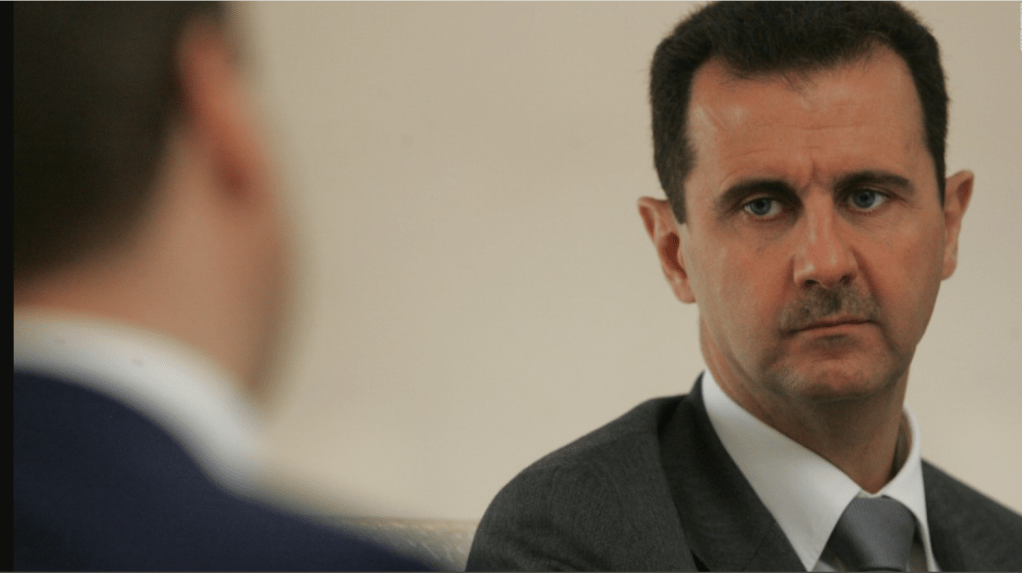
The fall of Bashar al-Assad is a moment pregnant with both hope and trepidation. It holds particular significance for the most vulnerable in Syrian society. These are the women, children, the weak, and the needy. The toppling of a brutal regime offers a chance for a new beginning. However, it also risks unleashing forces that could further unravel the already fragile social fabric. These dynamics may leave these groups to bear the brunt of the ensuing instability. Their fate is closely linked with the fate of Syria. This connection will determine whether the nation can truly heal and rebuild. Alternatively, Syria might remain trapped in a cycle of suffering.
From Despair to Possibility: A Glimmer of Hope for the Vulnerable
Decades of authoritarian rule and a brutal civil war have disproportionately impacted Syria’s most vulnerable populations. Women have faced systemic discrimination, limited opportunities, and the horrors of gender-based violence. Children have been robbed of their innocence, their education disrupted and their futures jeopardized by trauma and displacement. The weak and needy, including the elderly, the disabled, and the impoverished, have been pushed to the margins. They struggle to survive amidst the chaos.
Assad’s departure, while not a panacea, offers a flicker of hope. It presents an opportunity to build a society that prioritizes the needs and rights of these long-suffering groups. In this society, women can participate fully in the political and economic spheres. It is a society where children can access quality education and healthcare. The weak and needy are supported and empowered.
The Looming Peril: New Threats to the Vulnerable in a Fragile State
Nonetheless, this hopeful vision is clouded by the very real dangers that follow a power vacuum. Renewed conflict threatens the safety and well-being of women, children, and the most vulnerable. Extremist ideologies are rising. The breakdown of law and order poses significant threats.
In the absence of a strong and inclusive government, women face increased vulnerability to violence, exploitation, and marginalization. Extremist groups are on the rise. They often hold regressive and oppressive views on women’s rights. This rise threatens to roll back any hard-won freedoms. It will confine women to the domestic sphere. Children are already deeply scarred by the conflict. They be further exposed to violence and recruitment by armed groups. This exposure leads to the lasting trauma of displacement and instability. The weak and needy lack resources. They have no support networks. These groups be left to fend for themselves in a chaotic and unforgiving environment. The fabric of Syrian society is weak and at risk of total destruction.
Weaving a Future of Security and Dignity: Prioritizing the Needs of the Vulnerable
Building a lasting peace in Syria requires a deliberate and unwavering focus on the needs of its most vulnerable populations. The international community must prioritize initiatives that empower women. They need to protect children. Syrian civil society organizations should support the weak and needy.
This includes ensuring women’s meaningful participation in all peace processes and political transitions. It provides safe spaces and support services for survivors of gender-based violence. It also promotes women’s economic empowerment. It demands a concerted effort to rebuild the education system, provide psychosocial support to traumatized children, and ensure access to healthcare and basic necessities for all. It requires specific programs to assist the elderly, the disabled, and the impoverished, helping them rebuild their lives and regain their dignity. The social fabric of Syria needs to be repaired and strengthened to become resilient against any new threats.
A Call for Compassion and Action: Investing in Syria’s Future
The path towards a peaceful and prosperous Syria is inextricably linked to the well-being of its most vulnerable citizens. Ignoring their needs would be a moral failing. It would also be a strategic blunder because it would sow the seeds of future instability and conflict. Investing in the empowerment of women is essential. Protecting children and supporting the weak and needy are vital acts. These are not simply acts of charity. It is an investment in a more stable, just, and peaceful future for Syria and the region. The fabric of Syrian society is being tested to its extreme.
The international community must move beyond rhetoric and demonstrate a genuine commitment to supporting Syria’s most vulnerable. Only then can the fall of Assad become a true turning point. It will be a moment when Syria begins to heal its wounds. The country will weave a new tapestry of hope and build a future. All its citizens, especially the women, children, the weak, and the needy, can finally thrive in this future. Their future is our common interest.
 NightingaleSea
Leave a comment