In recent years, China’s growing influence in the Asia Pacific has been a topic of intense debate and scrutiny. On one hand, the country advocates for peaceful collaboration, economic partnerships, and shared growth within the region. On the other, there are undeniable tensions and contradictions that challenge these ideals. The key to navigating these complex dynamics lies in fostering a deep cultural understanding among all parties involved.
Economic Powerhouse and Diplomatic Efforts
China’s economic rise is nothing short of remarkable. Its Belt and Road Initiative (BRI) exemplifies its commitment to fostering economic ties across Asia and beyond. Through infrastructure projects, trade agreements, and investment in local economies, China aims to build a network of mutual benefit. Countries across the Asia Pacific have witnessed significant infrastructure improvements. They have also experienced economic growth and job creation directly from these efforts.
Furthermore, China has actively participated in regional organizations such as the Association of Southeast Asian Nations (ASEAN). It promotes dialogue and cooperation on various fronts. These include environmental issues, disaster management, and public health. These diplomatic efforts highlight China’s willingness to engage constructively with its neighbors.
Patterns of Contradictions
China often emphasizes its commitment to peaceful collaboration in the Asia Pacific. They have stated their dedication to “abiding by international law.” They also emphasize “adhering to the Declaration on the Conduct of Parties in the South China Sea.” Furthermore, they advocate for “settling differences through dialogue and consultation.” They assert that they are “committed to maintaining peace and stability in the region.”
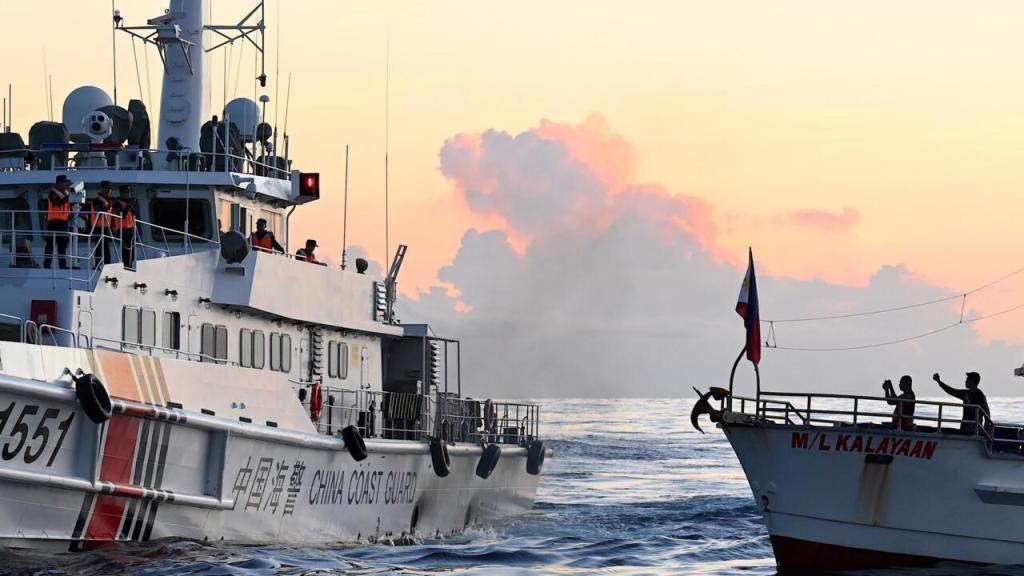
Yet, recent events in the South China Sea paint a starkly different picture:
- Firing water cannons at Philippine vessels
- Declaring “territorial waters” around disputed areas
- Dangerous maneuvers by warships
- Using military-grade lasers against neighboring coast guards

The Need for Cultural Understanding
Amidst these complexities, the importance of cultural understanding cannot be overstated. Cultural understanding fosters mutual respect, empathy, and a genuine appreciation of each other’s perspectives and values. It lays the groundwork for a dialogue that extends beyond economic and political interests. This dialogue addresses the human element at the heart of international relations.
Educational exchanges, cultural programs, and collaborative research projects can play a crucial role in bridging the cultural gap. We can incorporate lessons on the history, culture, and traditions of Asia Pacific countries into educational curricula. Conversely, lessons on other regions can also be shared. This approach nurtures a new generation that values diversity and strives for peaceful coexistence.
Building Bridges, Not Walls
China’s future collaboration in the Asia Pacific depends on balancing economic ambitions with cultural understanding. It also requires respect for sovereignty. Building bridges, rather than walls, should be the guiding principle. This means embracing open dialogue, recognizing and addressing contradictions, and fostering a spirit of cooperation that transcends mere transactional relationships.
As we move ahead, let us remember that cultural understanding is not just a diplomatic tool. It is a pathway to a more harmonious and prosperous Asia Pacific. By celebrating our shared humanity, we can tackle the challenges of our time. Respecting our diverse traditions paves the way for a brighter future for all.
Youth and the Future
For young people in the Asia Pacific, this dissonance is particularly troubling. We yearn for a region built on cooperation, mutual respect, and shared prosperity. China’s actions undermine these aspirations and create an environment of mistrust and instability. As future leaders and citizens, we must advocate for policies and practices that promote genuine collaboration and cultural understanding. Only through these efforts can we hope to build a more stable and united Asia Pacific.
 NightingaleSea
Leave a comment