A World On Edge: Malaysia Navigating The New Geopolitical Fault Lines
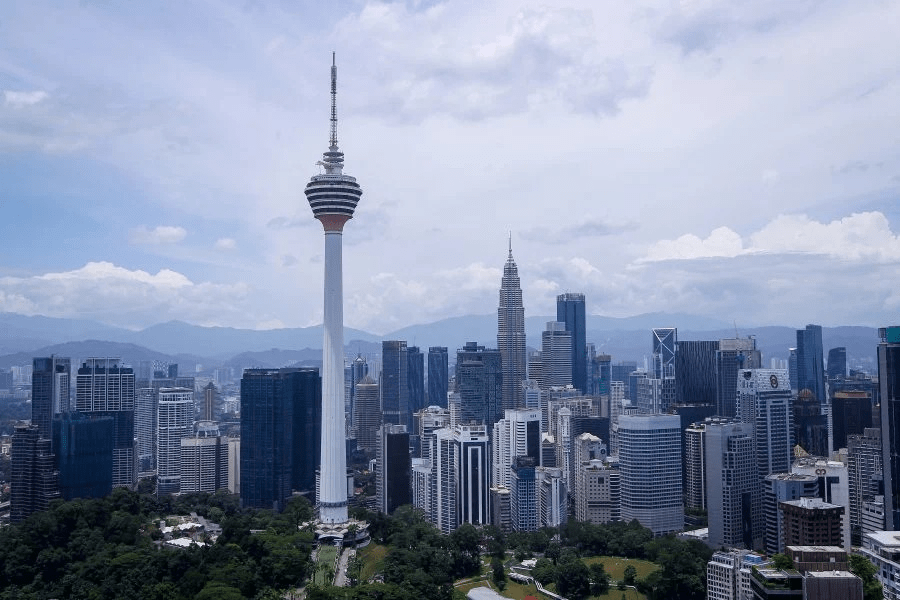
Today, amidst the complexities of modern conflict and the interconnectedness of global affairs, understanding this relationship is paramount for navigating the intricacies of geopolitical landscapes and managing conflicts effectively. NSTP/ AZIAH AZMEE
The year is 2024, and the world feels as if it’s teetering on the precipice of a major conflict. scrolling through our newsfeeds, we are bombarded with images of escalating tensions, power struggles, and military posturing that echo the dark days preceding world war II. from the simmering cauldron of the middle east to the renewed divisions in Eastern Europe and the increasingly assertive presence of China in our own backyard, the South China Sea, the parallels are chillingly familiar. for Malaysia, a nation strategically located in the heart of Southeast Asia, these global tremors are not distant rumbles, but seismic shifts that threaten to destabilize our economic and political foundations.
Echoes of the past:
Proxy conflicts and the shadow of war
One of the most volatile flashpoints in the current geopolitical landscape is the escalating rivalry between Israel and Iran. this is not merely a regional conflict; it’s a proxy war with global ramifications, drawing in major powers like the United States and casting a long shadow across the world. the recent escalation in tensions, marked by targeted strikes and covert operations, has raised fears of a wider conflagration. the assassination of Iranian general qassem soleimani by the US in january 2020 and the subsequent retaliatory strikes on US bases in Iraq serve as a stark reminder of how quickly these tensions can spiral out of control.
For Malaysia, the Israel-Iran conflict presents a complex diplomatic challenge. with a significant muslim population, Malaysia must carefully navigate its relationships with both muslim-majority nations and western allies. any perceived bias towards one side could have serious repercussions for our domestic stability and international standing. moreover, the volatility in oil prices, driven by instability in the middle east, directly impacts our economy. the recent attacks on Saudi oil facilities in 2019, attributed to Iran, sent shockwaves through global markets and highlighted the vulnerability of energy supplies in the region.
The Israel-Iran conflict, a proxy war drawing in global powers like the U.S., presents a diplomatic challenge for Malaysia. with a significant muslim population, Malaysia must balance relationships with Muslim-majority nations and western allies. the conflict’s impact on oil prices also affects Malaysia’s economy. nuanced diplomacy and strategic economic planning are essential for navigating these challenges effectively.
A new cold war?
The Russia-Ukraine conflict and its global ripple effects
Meanwhile, the ongoing conflict between Russia and Ukraine has shattered any remaining illusions of a post-cold war era. Russia’s annexation of crimea in 2014 and its recent military intervention in Ukraine have sent shockwaves across the globe, reminding us of the enduring nature of territorial ambitions and the fragility of international norms. the conflict has not only redrawn the map of Europe but also forced countries to reassess their alliances and defense strategies.
for Malaysia, the Russia-Ukraine conflict presents a delicate balancing act. we must maintain our historical ties with western allies while also managing our relationships with Russia-friendly nations like China and India. the economic fallout from the conflict, including sanctions on Russia, fluctuating energy prices, and disrupted trade patterns, adds another layer of complexity to an already precarious situation. the recent surge in global wheat prices, driven by disruptions to Ukrainian grain exports, is a case in point, highlighting the interconnectedness of global food security and the potential for far-reaching economic consequences.
The Russia-Ukraine conflict has reignited Cold War-era tensions, forcing countries to reassess alliances and defense strategies. For Malaysia, this means balancing ties with Western allies and Russia-friendly nations like China and India. Economic fallout, including sanctions on Russia and global food security concerns, adds complexity to the situation.
The dragon’s shadow:
China’s rise and the South China Sea
Perhaps the most immediate and pressing concern for Malaysia is the rising assertiveness of China in the South China Sea. Beijing’s expansive territorial claims, encapsulated in the controversial “Nine-Dash Line,” encompass almost the entire South China Sea, overlapping with the claims of several Southeast asian nations, including Malaysia. this is not simply a dispute over uninhabited islands and maritime borders; it’s about control over vital trade routes, access to valuable resources, and the projection of power in a strategically crucial region.
China’s growing military presence in the South China Sea, including the construction of artificial islands and the deployment of advanced weaponry, has heightened tensions in the region. the 2016 ruling by the permanent court of arbitration in the hague, which invalidated China’s claims based on the nine-dash line, has been largely ignored by Beijing, further escalating tensions. for Malaysia, this presents a direct challenge to our sovereignty and territorial integrity. the frequent incursions by chinese coast guard vessels and fishing fleets into Malaysian waters, particularly around the luconia shoals, are a constant source of concern and underscore the potential for conflict.
China’s economic clout further amplifies its geopolitical ambitions. as Malaysia’s largest trading partner, China wields considerable influence over our economic decisions. this dependence creates a strategic vulnerability, where any attempt to challenge China’s policies could result in economic retaliation. the cancellation of several major infrastructure projects in Malaysia, including the East Coast Rail Link (ECRL), following the 2018 general election, served as a stark reminder of China’s willingness to use its economic leverage to achieve its political objectives.
Navigating the tightrope:
Malaysia’s strategic challenges
The echoes of the past are amplified by the growing realization that economic power can be just as potent as military might. China’s investments in Malaysia, spanning infrastructure, technology, and various sectors, deepen its influence and create a complex web of interdependence. While these investments bring economic benefits, they also limit Malaysia’s ability to maneuver independently on the geopolitical stage. we are caught in a delicate balancing act, striving to maintain our historical ties with the west, manage our economic reliance on China, and uphold our leadership role within Asean.
the implications of these global tensions for everyday Malaysians are profound. an escalation of conflict in the South China Sea could jeopardize our territorial integrity, disrupt our economy, and threaten our maritime sovereignty. the potential for economic turmoil, whether through sanctions, trade disruptions, or shifts in global alliances, could lead to inflation, job losses, and reduced access to essential goods. furthermore, any military engagement, direct or indirect, would strain our defense capabilities and necessitate a reallocation of resources, potentially impacting public services and development projects.
In this increasingly volatile environment, Malaysia must navigate a precarious path. we need to engage in astute diplomacy, diversify our trade and investment partners, and bolster our national defense capabilities. we must also strengthen our regional cooperation within Asean, recognizing that a united front is crucial in responding to external pressures from both China and the US. as we grapple with these challenges, it’s imperative for Malaysians to understand the complexities of the global landscape and the potential consequences of these rising tensions. we must be prepared for a future where the threat of conflict looms large and the pursuit of peace demands constant vigilance.
Malaysia faces a tightrope walk in the current geopolitical climate, balancing economic ties with China, historical connections to the West, and its role in ASEAN. Rising tensions in the South China Sea, economic disruptions, and potential conflicts could impact territorial integrity and strain defense capabilities. To navigate these challenges, Malaysia must engage in astute diplomacy, diversify trade partners, strengthen regional cooperation, and bolster national defense. Malaysians need to be aware of these complexities and be vigilant in pursuing peace.
 NightingaleSea
Leave a comment