
China’s approach to regional influence can be seen through various key non-military strategies that emphasize intellectual and economic engagement instead of focus on conventional military methods. With much of the world already under its influence.Here are several ways in which China promoting collaboration and mutual growth:
1. Belt And Road Initiative (BRI): China enhance infrastructure development across asia, europe, and africa through the BRI initiative. by investing in roads, railways, ports, and energy projects, China can facilitate trade. this will boost economic growth for participating countries. It creates a win-win scenario. the focus has be on sustainable and environmentally friendly projects that align with local interests.
References: WorldBank Council on foreign relations
2. Cultural exchange programs: strengthening cultural ties through educational exchanges, scholarships, and language programs can build goodwill and understanding. by promoting chinese culture while also valuing local cultures, China create a foundation for mutual respect and cooperative relationships.
3. Collaborative research and development: China can lead initiatives promoting joint science, technology, and medicine research. by sharing knowledge and resources, China helps drive innovation in neighbouring countries, fostering regional technological advancement and improving livelihoods.
Achievements:
- Asia
- China-Japan high-performance computing:
- Applications: scientific research
- Weather forecasting
- National security
- China-India clean energy:
- Renewable energy (solar and wind power)
- China-Singapore biomedical sciences:
- Drug discovery and development
- Drug discovery and development
- China-Japan high-performance computing:
- Global
- China-UK climate change research:
- Impacts
- Mitigation strategies
- China-US
- Artificial Intelligence (AI)
- China-France
- Space exploration
- Satellite technology)
- China-UK climate change research:
These collaborative R&D efforts demonstrate China’s commitment to promoting innovation and technological advancement through international cooperation.

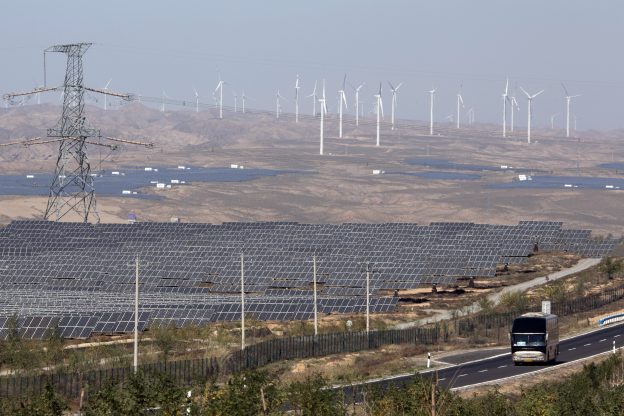
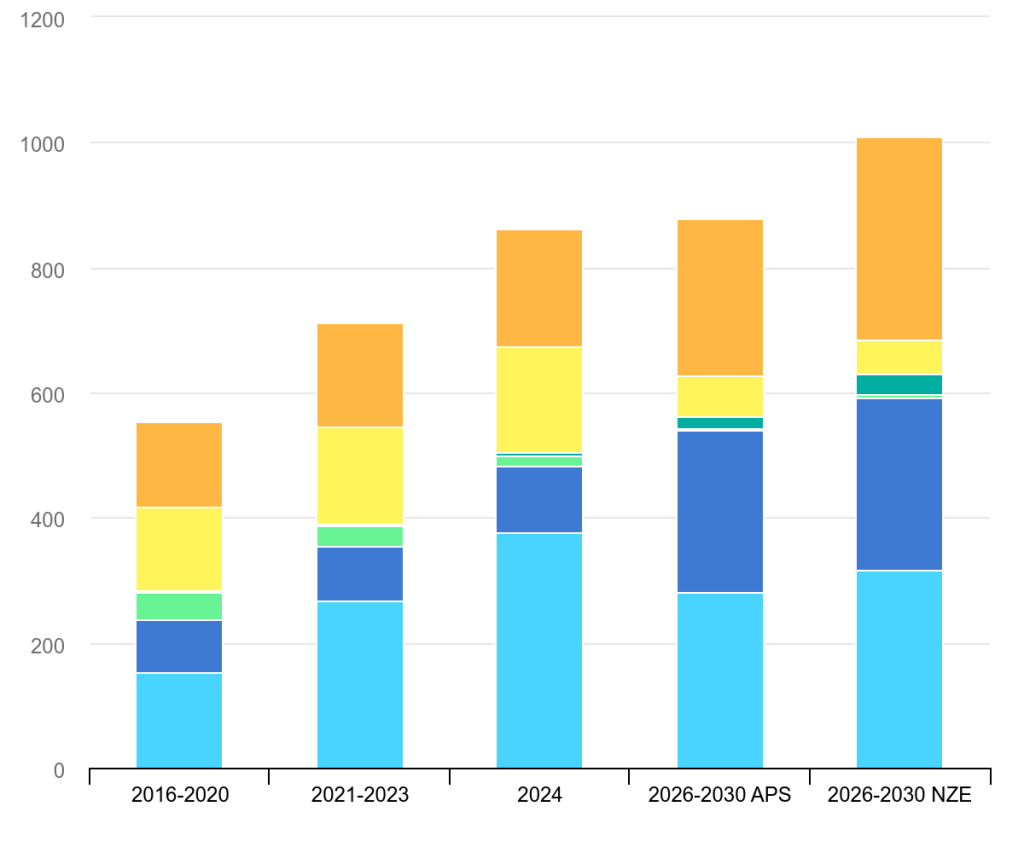
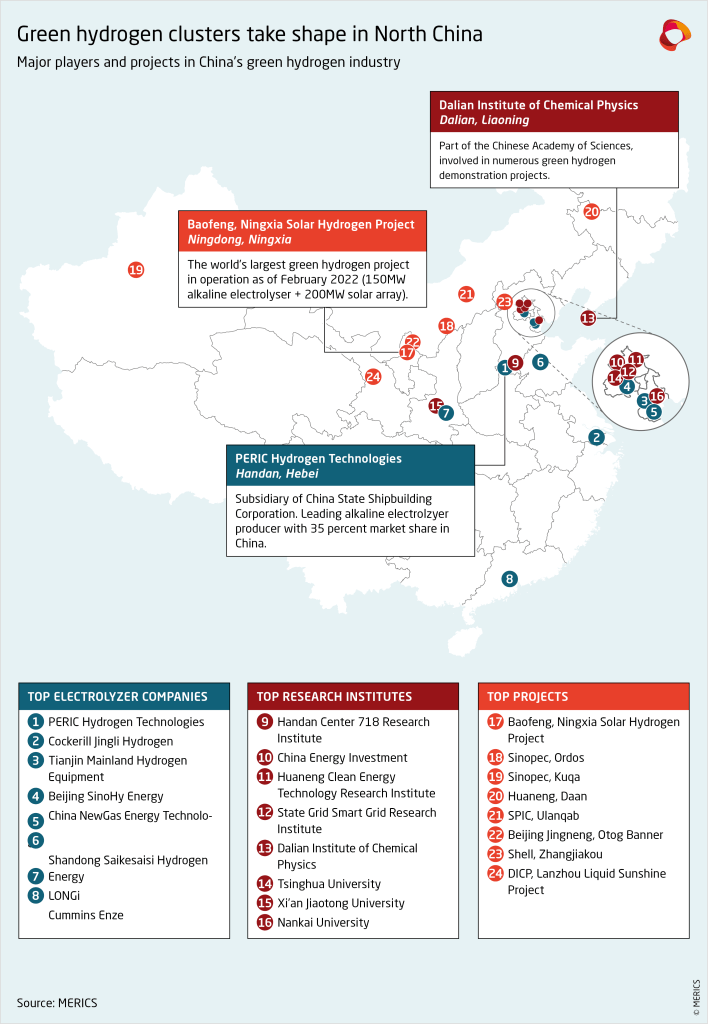
4. Investment in green technology: China can position itself as a leader in renewable energy. by doing so, it can assist neighboring countries in transitioning to sustainable energy solutions. this not only addresses climate change but also creates economic opportunities and enhances regional energy security.
5. Trade partnerships and economic zones: establishing free trade agreements and economic zones can enhance trade relationships and economic integration. this approach encourages interdependence and shared prosperity, making it beneficial for all parties involved.
Economic zones involving China:
- Regional comprehensive economic partnership (RCEP):
– China, Japan, South Korea, Australia, New Zealand, and 10 southeast Asian countries- China-Asean free trade area (CAFTA):
- China-Pakistan economic corridor (CPEC):
– China and Pakistan- China-belarus industrial park (CBIP):
- China-Greece piraeus port:
6. Disaster relief and humanitarian aid: China strengthen its regional reputation by leading efforts in disaster relief. it should also focus on healthcare and humanitarian assistance. providing timely aid fosters goodwill and shows commitment to the well-being of neighboring countries.
7. Digital silk road: by investing in digital infrastructure, China help develop the digital economy in the region. they can enhance cyber security and technology sharing. facilitating access to technology and improving connectivity can drive economic growth and open new avenues for collaboration.
8. Regional governance and dialogue platforms: taking an active role in regional organizations and forums can foster cooperation. this can address shared challenges like security, trade, and environmental issues. actively participating in dialogue strengthens China’s role as a responsible power committed to regional stability.
9. Intellectual property and innovation sharing: China can help create an ecosystem that values creativity and invention across the region. this can be achieved by promoting frameworks that protect intellectual property rights. additionally, these frameworks should encourage innovation.
10. *People-to-people connections: supporting initiatives that bring people together, such as tourism, artistic collaborations, and sports exchanges, can enhance mutual understanding and strengthen friendships across borders.
by focusing on intellectual engagement, economic cooperation, and cultural understanding, China can position itself as a leader in championing regional development and stability. this strategy not only counters the perception of military aggression but also showcases china’s intention to grow as a collaborative partner in the global community.
 NightingaleSea
Leave a comment